



Overview
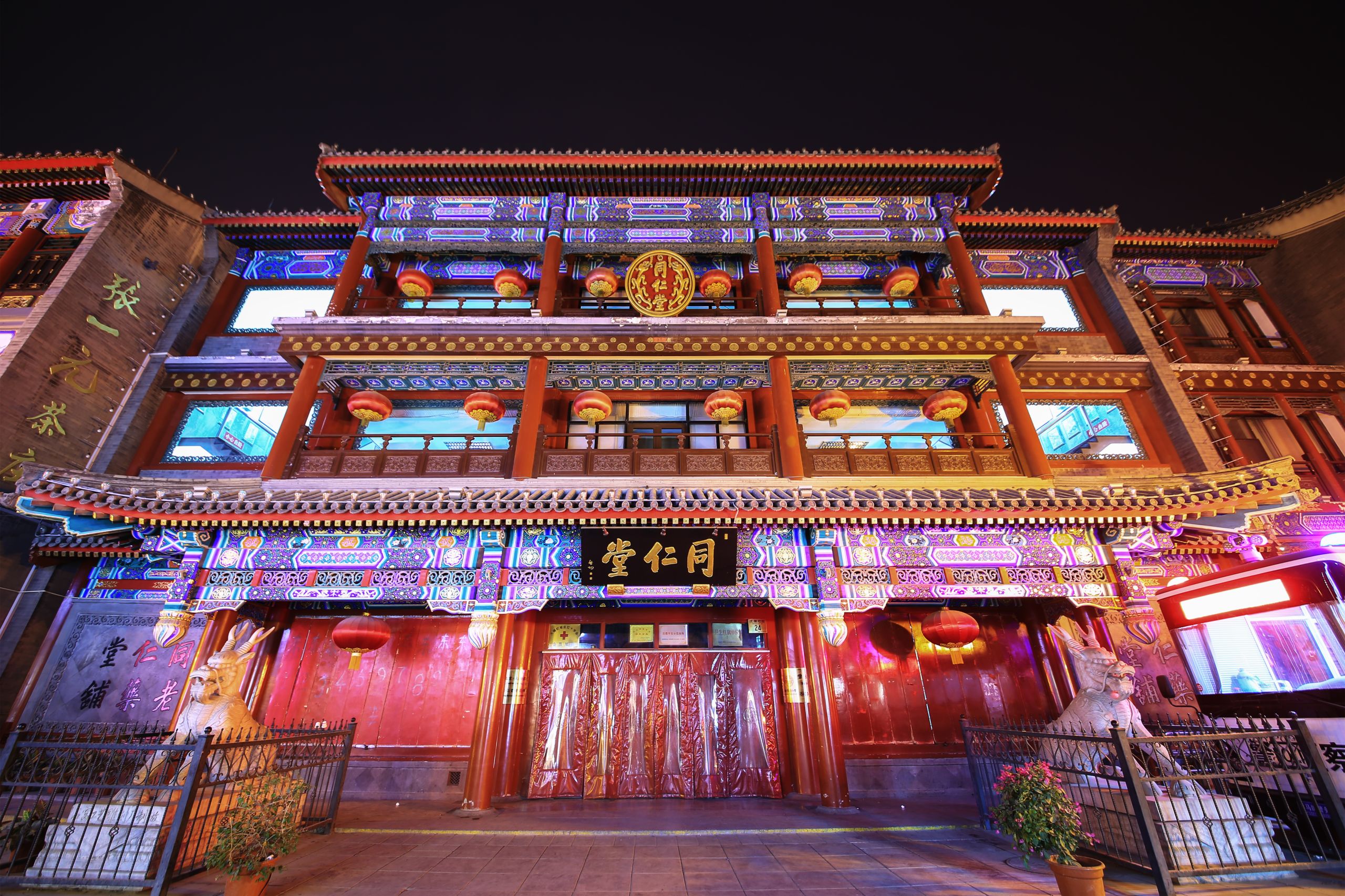
China is one of the Four Great Ancient Civilisations in the world with a long-standing Chinese civilisation. It is also named Huaxia Civilisation, one of the oldest in the world and with the longest duration in the world.
About 5,000 years ago, settlement organisations began to appear surrounding the Central China, and then formed into the country and dynasty. 13 major unified dynasties succeeded the Chinese Civilisation until 1912, when the revolution led by Sun Yat-Sen ended the monarchy era of China, replaced by republic.
On October 1, 1949, the People’s Republic of China was founded. Today, China pursues a consistent policy of opening up and reform and possesses a socialist market economy.
Located in eastern Asia and the west bank of the Pacific Ocean, China stretches about 5,500 km long from the Heilongjiang River in the north to James Shoal of the South China Sea in the south; and is about 5,200 km in width from the Pamir Mountains in the west to the junction of Heilongjiang River and Wusuli River in the east. Covering an area of about 9,600,000 k㎡, China is the third largest country in the world in terms of territory.
China shares its borders with 14 countries: Mongolia in the north, Russia and North Korea in the northeast, Vietnam, Laos, Myanmar, India, Bhutan, and Nepal in the south, Pakistan in the southwest, and Afghanistan, Tajikistan, Kyrgyzstan, and Kazakhstan in the west.
History of China
China, with its over 5000-year history, is one of the oldest civilisations in the world.
While 13 unified dynasties ruled China from 2070 BC to 1912 AD, China experienced 83 dynasties of various scales and durations, with 559 rulers, among whom 397 were emperors, including one empress, and 162 were kings. These 83 dynasties established a total of 95 capitals from which they ruled over the Chinese territories.
In history, the dynasties in Central China constantly contacted with and fought against northern nomadic nationalities. As a result numerous nationalities integrated into Chinese nation during this long period of time, making China a unified multinational country.
Exploring this complex and intertwined historical field and wandering through China’s historical scenes is a tempting adventure.
Culture of China
Chinese culture is a collective term for all cultural assets from the Greater China region, including the areas of Taiwan, Macau, and Hong Kong. For over 5000 years, Chinese culture has significantly influenced the cultural developments in neighboring countries such as Japan, Korea, Thailand, Singapore, and many other Asian states.
From today’s perspective, Chinese culture, or China, is a generic term for all cultures of the 56 nationalities within the Chinese territory, including the Han, Hui, Mongols, Manchu, and Tibetans. Therefore, China is a multi-ethnic state.
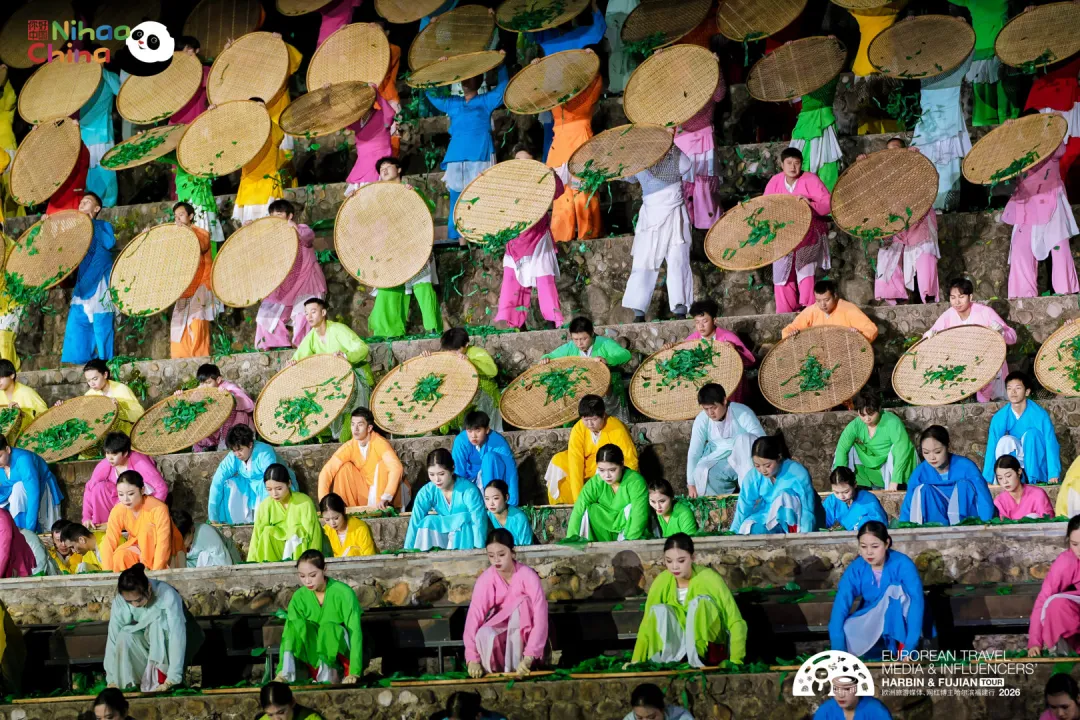

Generally, it is believed that Chinese culture has three origins: the civilisation of the Yellow River, the civilisation of the Yangtze River, and the northern steppe culture. Chinese culture and China have crystallised from these three sources and developed into one of the highest cultures in world history.
Unlike many other cultures, Chinese cultural heritage often includes both tangible assets like literature, paintings, music and antique, as well as intangible assets such as legends and stories.
The glorious history of Chinese literature is reflected in the Book of Songs, Songs of Chu, Poetry of Han Dynasty, Book of Jin, Poetry of Tang Dynasty, Song Poems, Verse of Yuan, traditional Chinese novels with a couplet title of Ming and Qing dynasty, and essays of the Republic of China since the pre-Qin period.
Chinese traditional music is generated and developed from the integration and communication of Central China music, four regions music and foreign music, including folk music, scholar music, religious music, and court music. Chinese traditional music has distinct characteristics. Common instruments are Guzheng, Qin, and Xiao. The temperament is based on five notes of the pentatonic scale.
Traditional Chinese opera is a traditional Chinese stage art, consisting of various performance means including: singing, speaking, acting and acrobatic fighting. Traditional Chinese opera includes many types of dramas such as Beijing Opera, Henan Opera, Hebei Clapper Opera, Shaanxi Opera, Pingju, Cantonese Opera, Shaoxing Opera, Kunqu Opera, Huangmei Opera, Chaozhou Opera, Jin Opera, and Flower Drum Opera.
Chinese painting is called Guohua in China. Writing brush, soft brush or fingers are mainly used to paint on silk or Xuan paper by ink and traditional Chinese painting colour. Chinese painting, good at freehand brushwork, emphasizes similarity in spirit, instead of similarity in form; emphasizes observation and summarization, instead of on-site facsimile; uses cavalier perspective, instead of focus perspective; emphasizes artistic conception, instead of scene.
Ancient China contributed to the world by means of numerous inventions and innovations and developed unique advancing achievements in various fields, including the four great inventions (paper-making technology, printing, compass and gunpowder). In the global trade field, silk, porcelain and tea were once the main export goods from China to the west through the Silk Road.
Nature of China
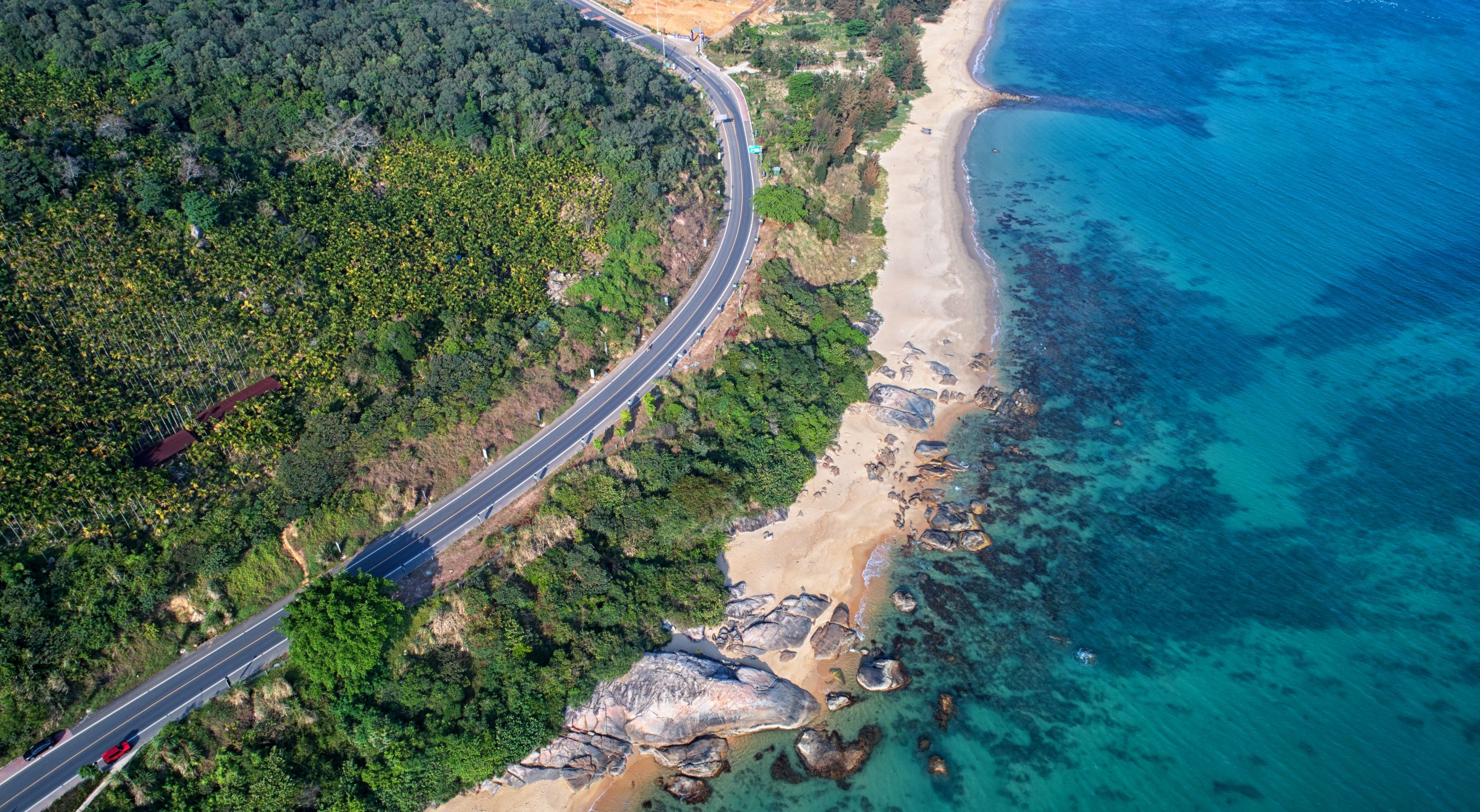
China is characterized by diverse and complex natural landscapes: the broad and flat plains, gentle hills, high mountain ranges, broad and elevated plateaus, and basins that are high at the edges and low in the center.
Mountain and hill landscapes make up more than two-thirds of the total area of the Chinese mainland, while plains make up less than one-third. Areas that lie more than 500 meters above sea level account for three-quarters of the entire Chinese mainland.
.png "Earth’s Palette")

Biologically, China is one of the countries with the richest biodiversity. There are more than 30,000 species of higher plants and 6,347 species of vertebrates in China. This corresponds to 10% and 14% of the world’s plants and animals, respectively. The terrestrial ecosystem is characterized by rich diversity with 599 types. Due to its extremely rich flora and fauna, China is considered a natural gene bank of the world’s biological resources.
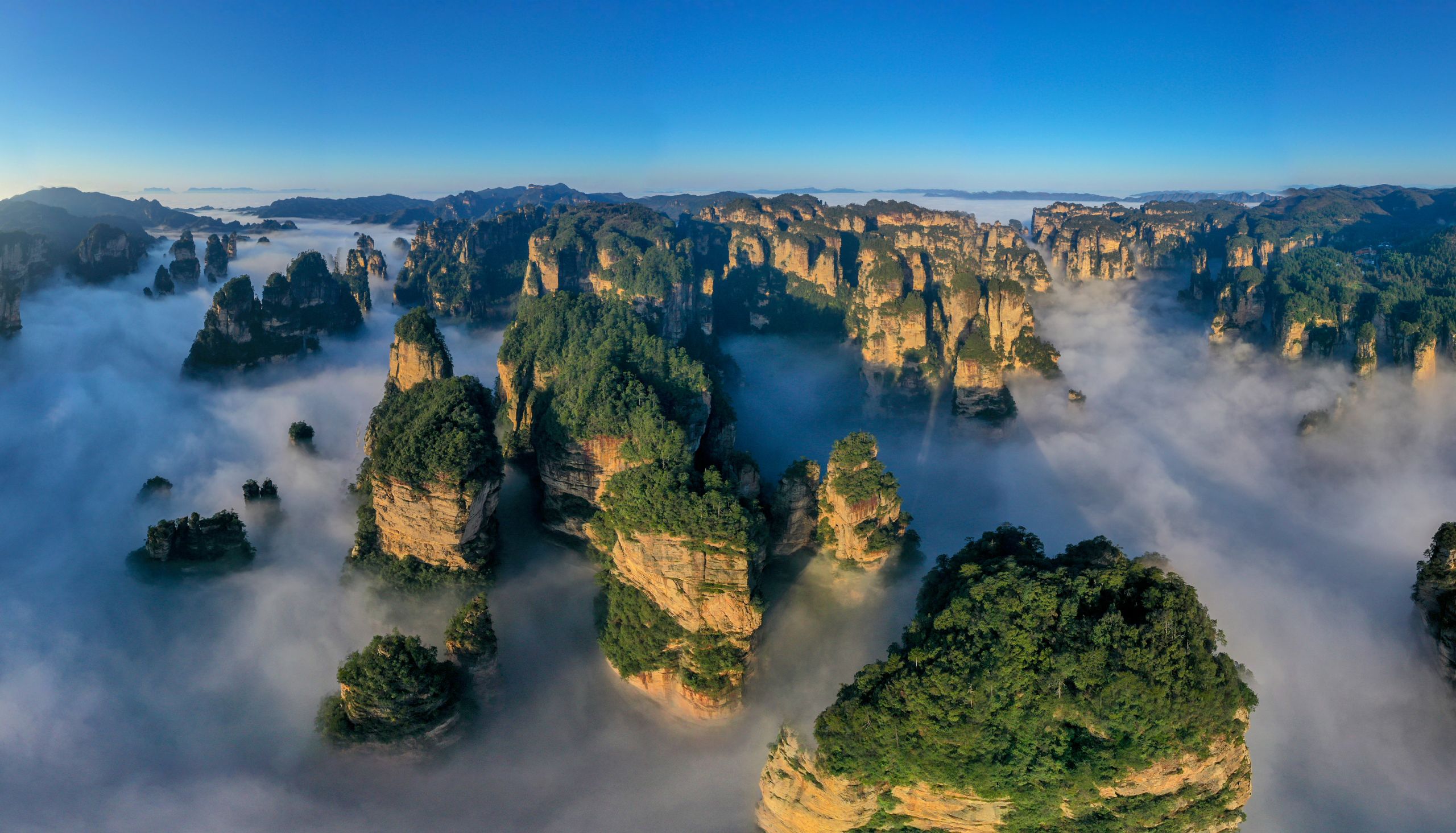
Among the most beautiful natural parks in China are certainly Jiuzhaigou and Huanglong National Parks, the Huangshan and Wulingyuan Mountains, and Mount Wuyi.
To explore destinations around China, please check our ‘Discover’ pages.
Ethnic Groups in China
China has a long history through thousands of years of evolution, development and integration.
Through nationality identification, current Chinese nation includes Han and other 55 ethnic minorities. The whole country has a population of about 1.3 billion, 90% of which are Han nationality.
The distribution of Chinese nationalities have the following features: live together on the whole, inhabit a small region, and interlaced living. The population of ethnic minorities is small in China, but they distribute in a vast area. The greatest number of population of ethnic minorities can be found in Yunnan Province (26 ethnic groups). Guizhou Province is home to the second-highest number of ethnic groups at 18.
The Han nationality has its own language and script. The Han Chinese language, generally referred to as the Chinese language, is today the widely used language throughout China and is also commonly used internationally. The Hui nationality and the Manchus also use the Han Chinese language. The remaining 53 nationalities use their own languages, and 23 nationalities have their own scripts.
Since ancient times, the ancestors of Chinese ethnic groups have been working, living, and reproducing in Chinese territory, and contributing their intelligence for the construction of the unified multinational country and Chinese civilisation.
Chinese Food
Chinese cuisine is widely recognised as one of the three great cuisines of the world due to the country’s unique and profound culinary culture. Chinese cuisine is diverse, exquisite and unique and the accumulation of millennia of culinary history, which gives rise to its global prestige.
4 main types of Chinese cuisine include Guangdong, Shandong, Sichuan, and Huai-Yang:
- Guangdong cuisine is remarkable with its exquisite ingredients and fine taste. It is primarily known for its rich variety of ingredients. Besides fish and shrimp, people here also eat meat, snakes, and birds.
- Shandong cuisine offers a wide variety of ingredients, which are mostly braised, fried, or deep-fried. Soups are particularly well-known. Seafood such as sea cucumbers, shrimp, abalone, clams, and crabs are ingenious ingredients in the food.
- Sichuan cuisine is especially characterized by its spiciness.
- Huai-Yang cuisine stands out for its fresh and tender raw materials, careful preparation, fresh and light taste, and beautiful colors and shapes. Local freshwater crabs and other freshwater animals, as well as various vegetables, are among the specialties.
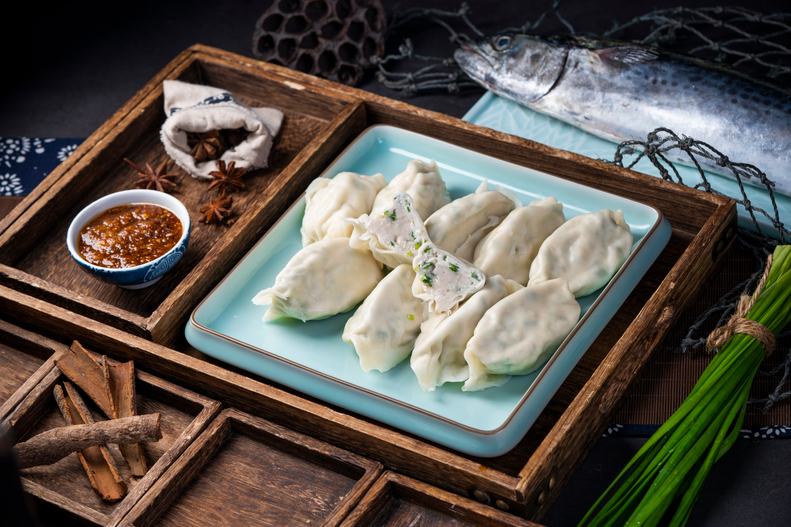
Mackerel Dumpling - Shandong Cuisine
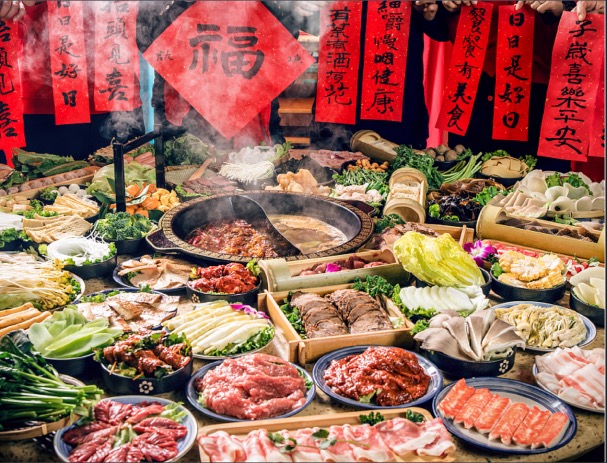
Hotpot - Sichuan Cuisine

Dim Sum - Guangdong Cuisine

Hotpot - Sichuan Cuisine
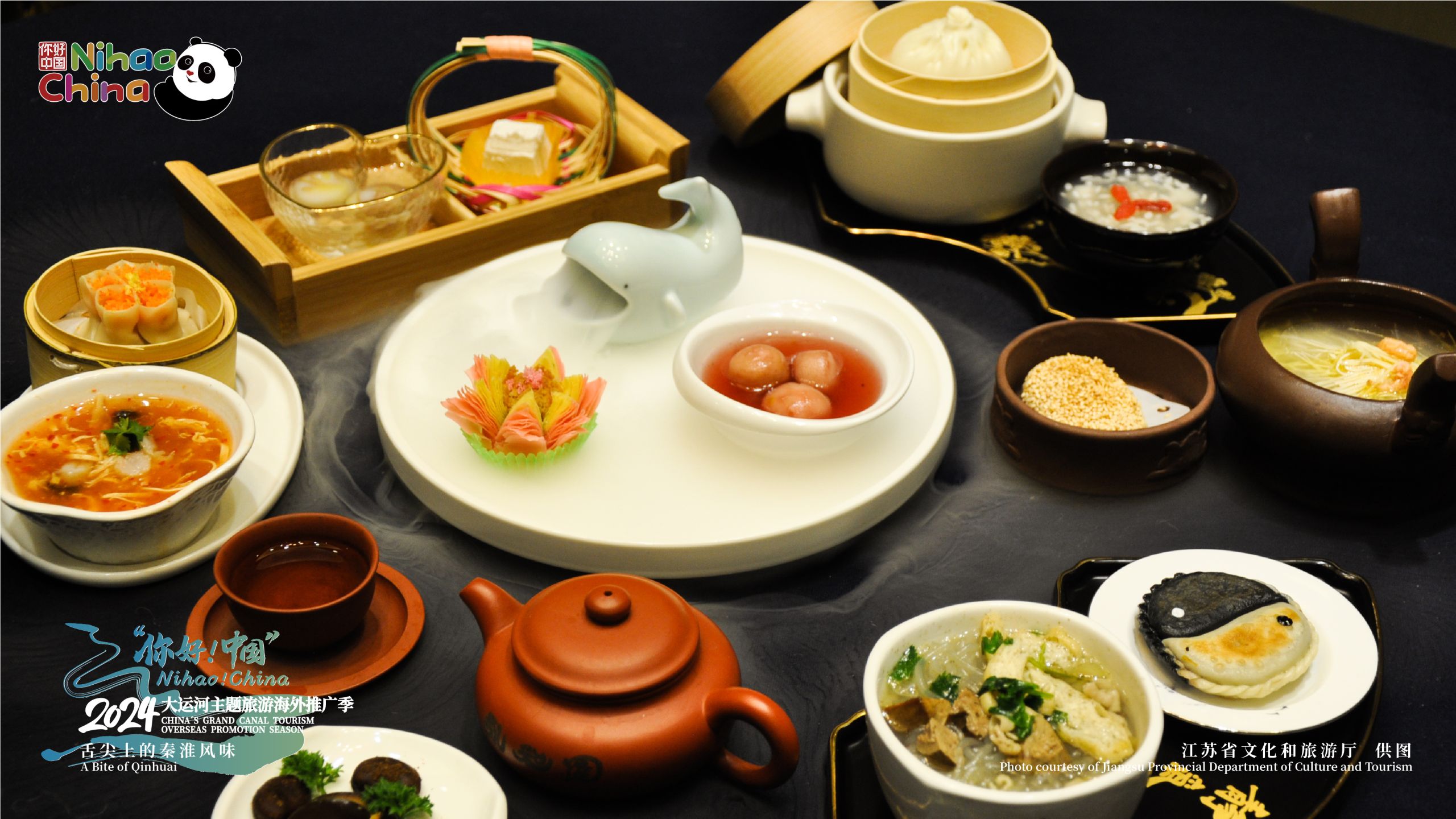
Huai-Yang Cuisine

Leisure Tea Time – People’s Park, Chengdu, Sichuan Province
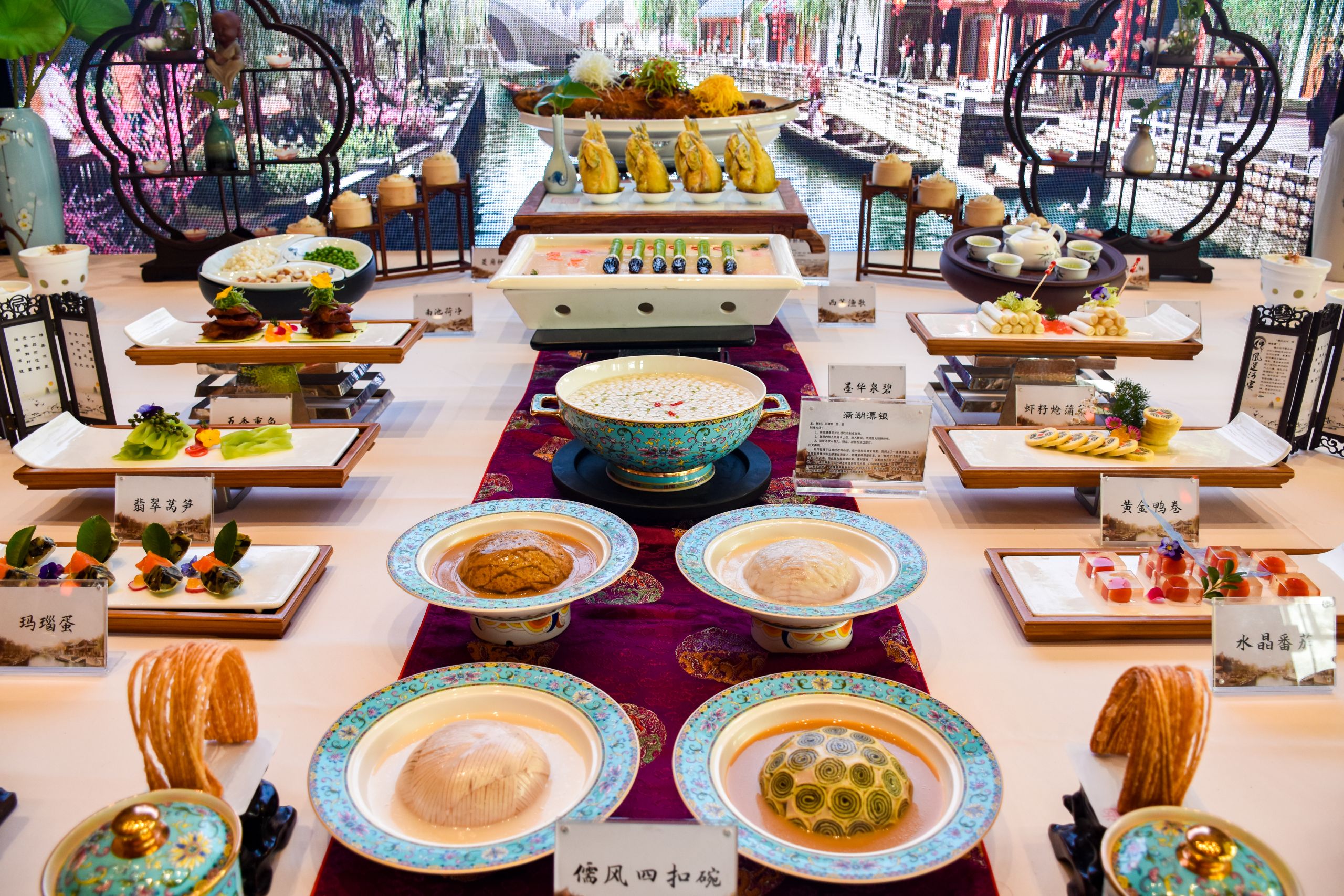
Confucius Mansion Banquet - Shandong Cuisine
Apart from these 4 main types, China has over 3,000 types of regional food & snacks that distinct in taste and strong in regional characteristics. Xinjiang’s Lamb Pilaf/Polo, Shanxi & Shaanxi’s wheaten food, Hubei’s hot dry noodles, Guangxi’s rice noodles, Beijing’s Pecking Duck, Shanghai’s Xiaolongbao (steamed buns) are all famous local dishes that await global travellers to explore.
China is also an ancient alcohol country. Distiller’s yeast brewing appeared in Pre-Qin Period. Baijiu (Chinese spirit) and Huangjiu (Yellow rice wine) are unique alcohol types that origin from China. Alcohol is not only used in official activities such as worship ceremony, meeting of sovereigns and celebration, but also used in civil weddings, funerals, happy reunions, arrival and departure.
China is the hometown of tea. Chinese tea culture is long-standing, extensive and profound. Emerged in the Tang dynasty, Chinese tea culture heavily influenced the cultures in neighboring East Asian countries, such as Japan and Korea, and later adopters of tea, such as India, the United Kingdom, and Russia.
Tea is consumed regularly in modern China, both on casual and formal occasions. In addition to being a popular beverage, tea is used as an integral ingredient in traditional Chinese medicine as well as in Chinese cuisine.
Factsheet of China
Capital of China
Beijing. Beijing covers an area of about 16,000 square kilometres and has a population of about 21 million (2020 est.).
Population
1.417 billion (as of 2022) – making China one of the most populous countries on Earth.
Currency
Renminbi (international abbreviation: CNY or RMB, symbol: ¥).
The units of the currency are Yuan, Jiao, and Fen. One Yuan equals 10 Jiao or 100 Fen.
Exchange rate: 1 EUR = 7.79 CNY (as of June 2024). It is possible to withdraw money with credit or debit cards at most ATMs. Credit cards are also accepted in good international hotels.
Time Zone
The time in China follows a single standard time offset of UTC+08:00, where Beijing is located, even though the country spans 5 geographical time zones. The nationwide standardised time is named Beijing Time (BJT).
Note: in Xinjiang, local residents usually schedule their daily activities two hours later than those who live in eastern China. Travellers visiting Xinjiang are advised to follow the local timetable.
Climate
China’s climate is with its 18 different climate zones very diverse: The west, north, and northeast have pronounced continental climates with very cold winters and hot summers. The south, on the other hand, has a subtropical to tropical climate. The best travel time for most regions is from April to mid-June and from September to mid-November.
Public Holidays
China has several festival celebrations throughout the year which are public holidays. The most significant of these public holidays
typically occur during Chinese New Year, the first week of May and the first week of October. During this time, various sites and attractions will be more crowded than usual.
Best time to visit China
China’s geographic area is diverse and complex and lies roughly at similar latitudes, with the majority situated in temperate zones.
This offers visitors diverse opportunities throughout the year, from ice festivals in the north to tropical beach resorts in the south.
Spring (Mar-Jun) and autumn (Sep-Nov) are unarguably the best times to visit China. The first five days of May and the first week of October are best avoided, however, due to the Labour Day and National Day holidays, two major national holidays in China. During this time, everywhere will be busy. Go mid-month instead, when most places will be deserted.
Mar-Jun and Sep-Oct: The whole of China is pleasant to visit in spring and autumn.
Jul-Aug: The summer months are a good time to travel to Gansu, Xinjiang, Qinghai, and Inner Mongolia in the north, where you can marvel at the eroded landforms in the Yardang National Park, explore deserts and lakes, and enjoy the grasslands at their greenest. These months are also suitable for travel to Yunnan and Guizhou, two culturally diverse south-western provinces.
Nov-Feb: The weather is bitterly cold in the north and only warm in the far south. This is a good season to travel to Hainan, Hong Kong, Guangdong, Yunnan, and Fujian in the south. But if you can brave the cold, it’s also a great time to visit the winter wonderland that is Jilin Province and join the crowds who flock to the famous Harbin Ice Festival in Heilongjiang.

