
Magficicent Qinghai
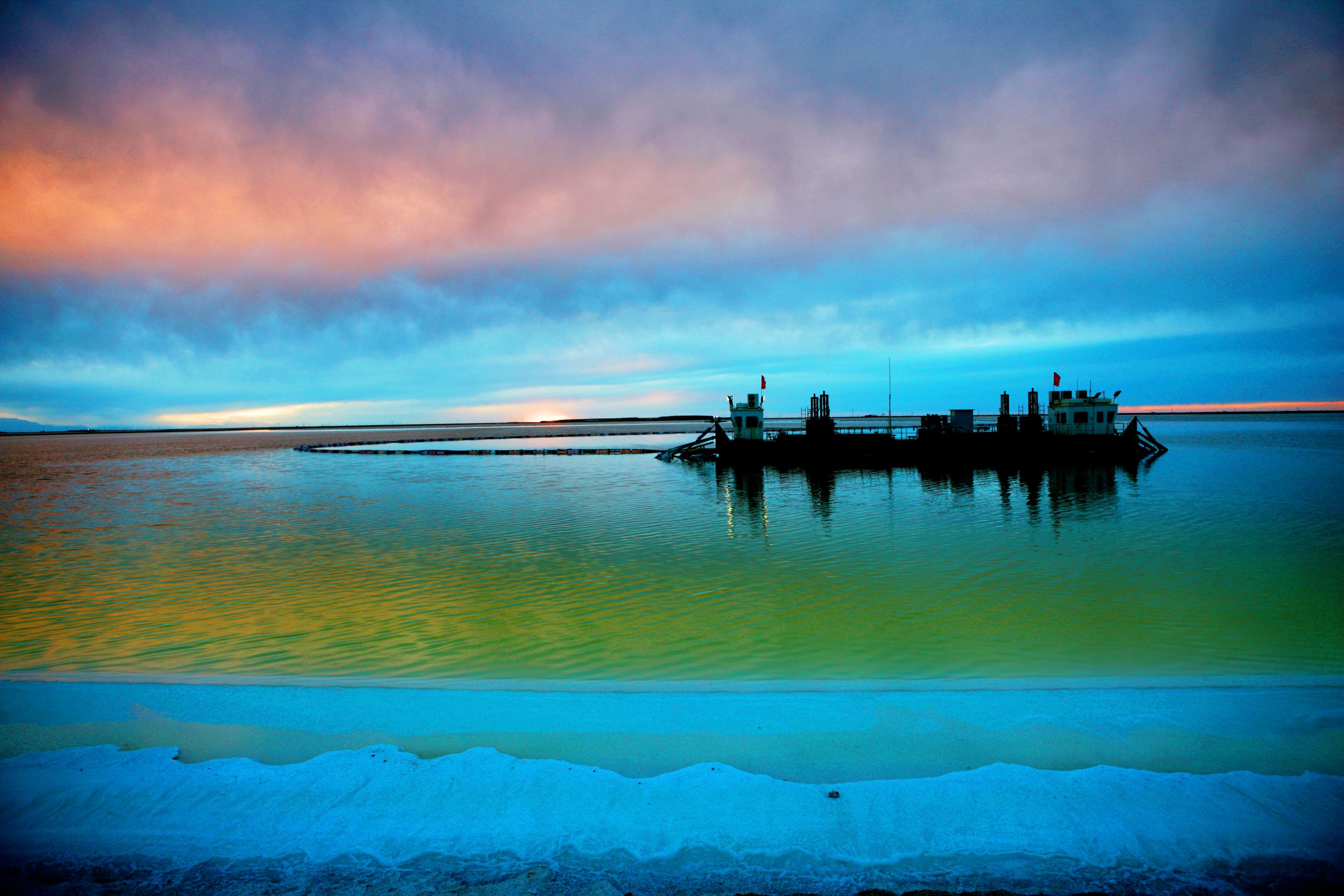
Qinghai Province is unique from other provinces in China in that “within one province there are three regions”. In other words, China’s three natural regions can be seen in one province: generally speaking, the Qingnan Plateau belongs to the Qinghai-Tibet Plateau region, the Qaidam Basin belongs to the
northwest and region, and the Qinghai Lake Basin and the nearby Hehuang Valley belong to the eastern monsoon region.
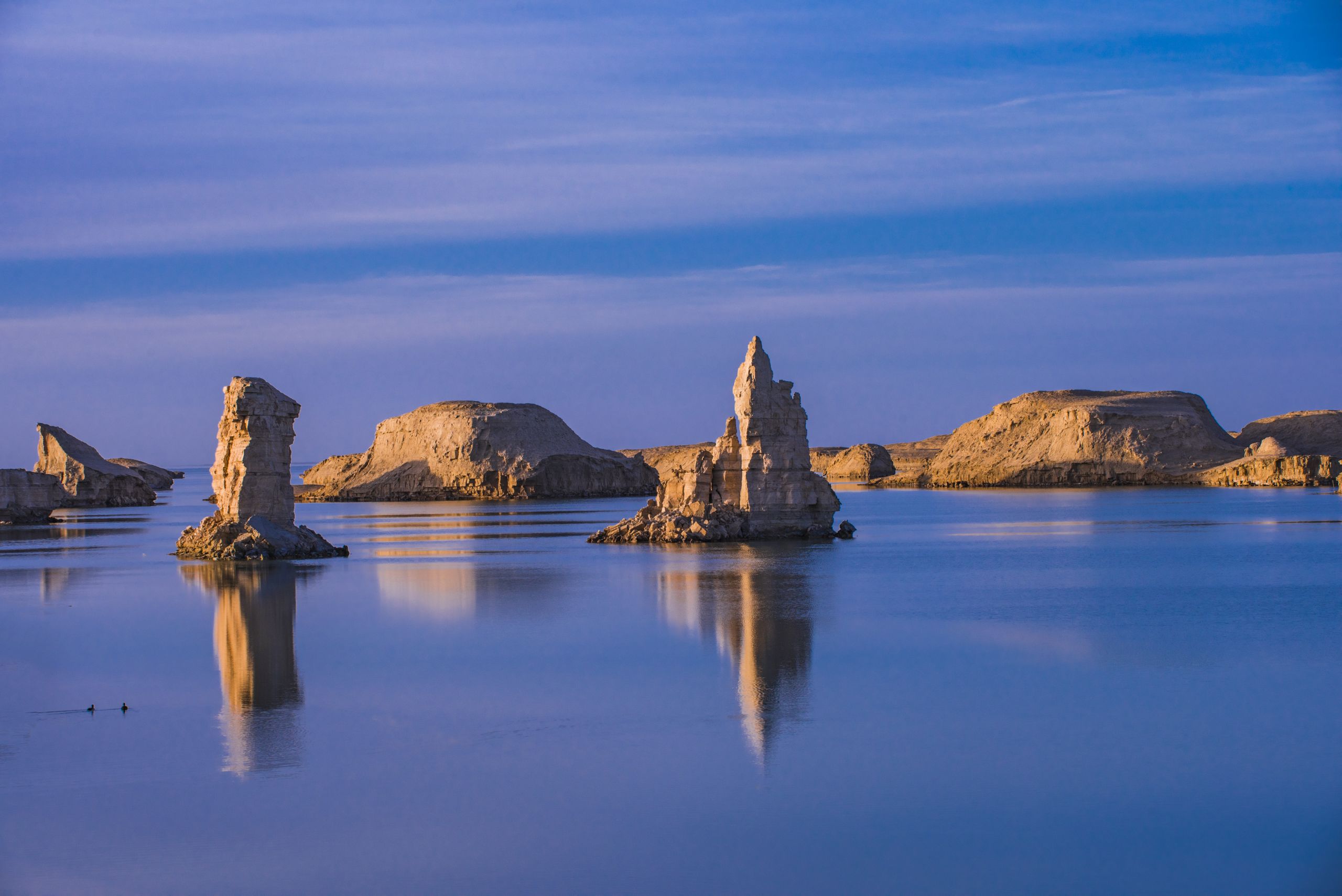
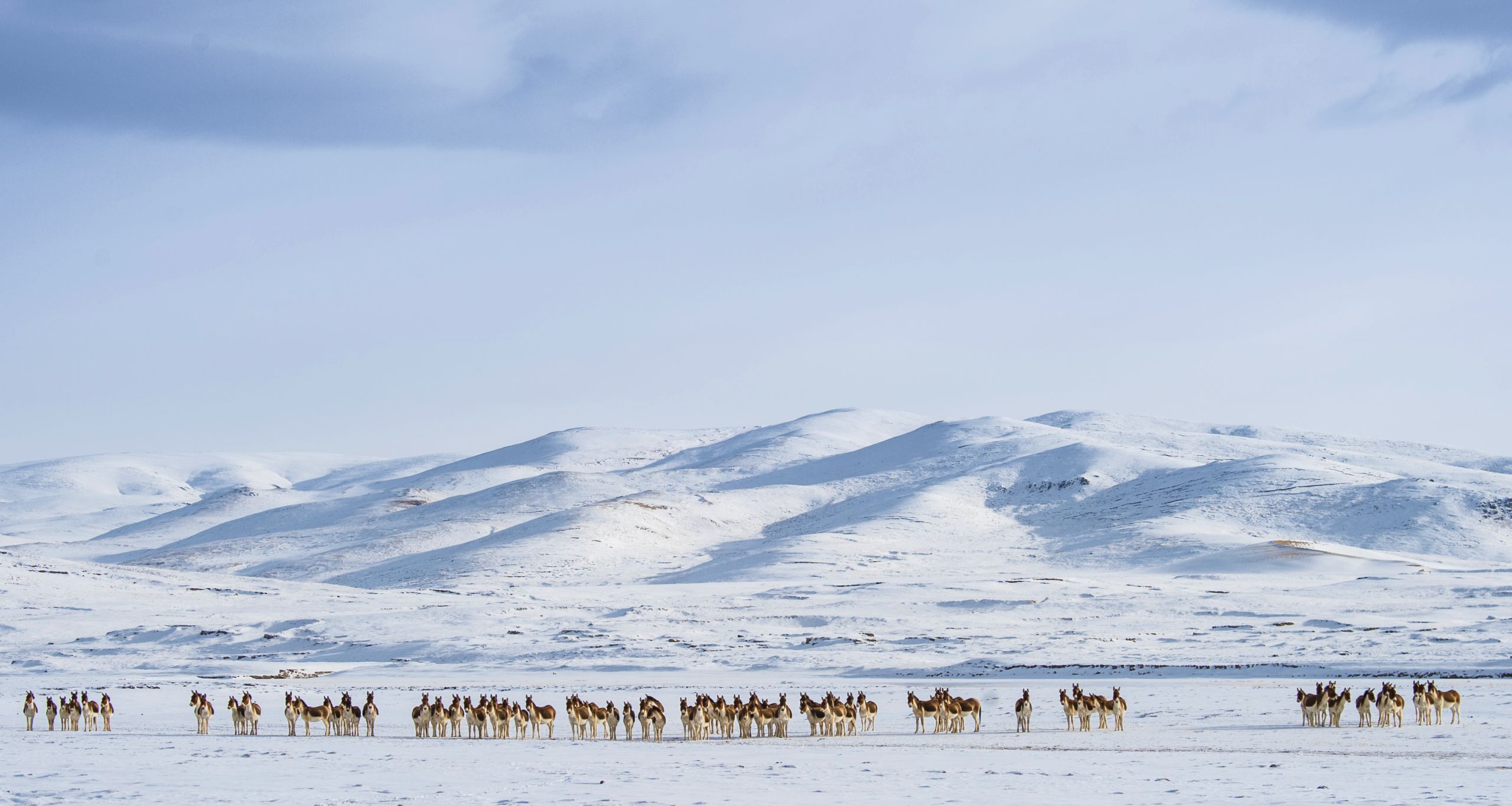
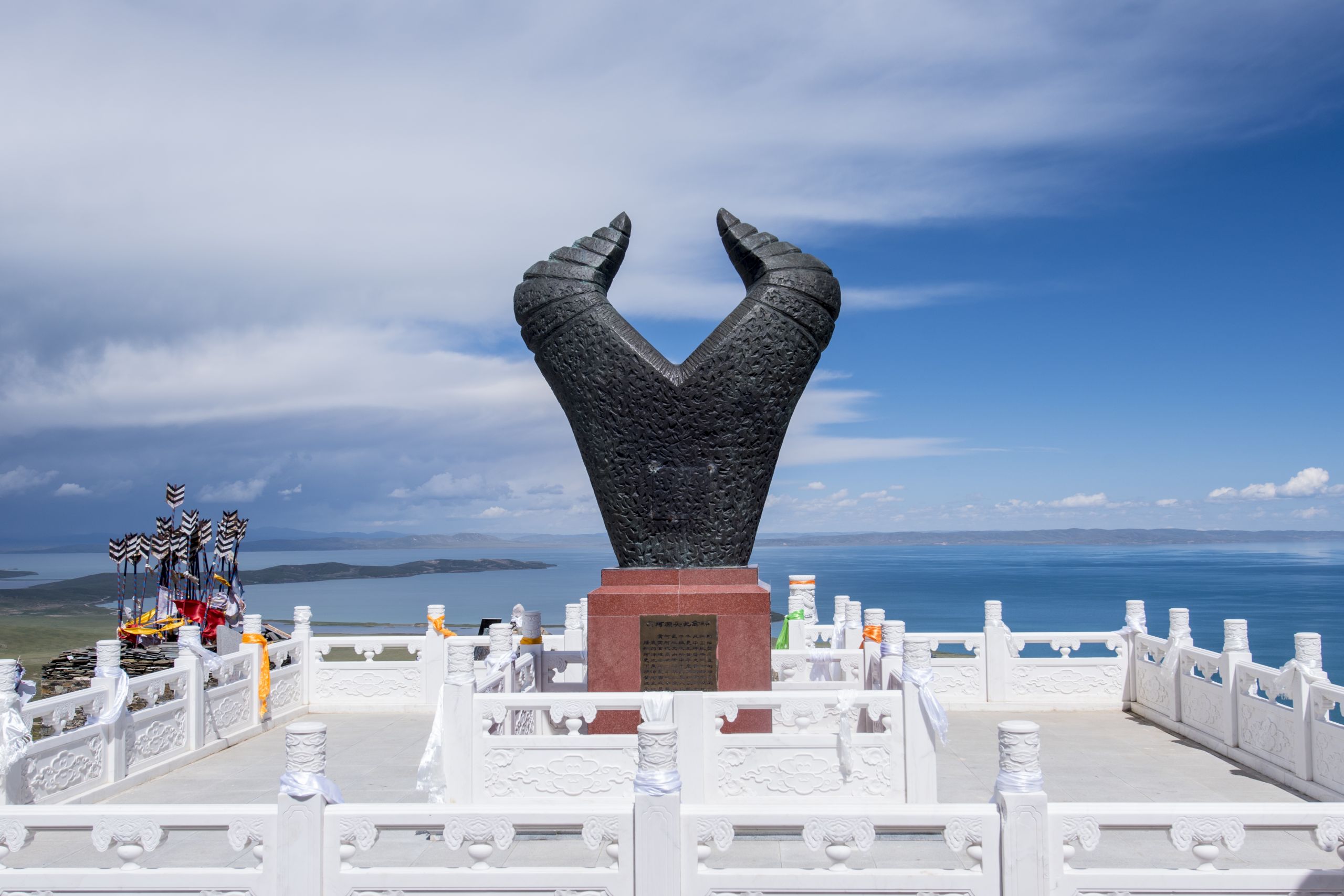
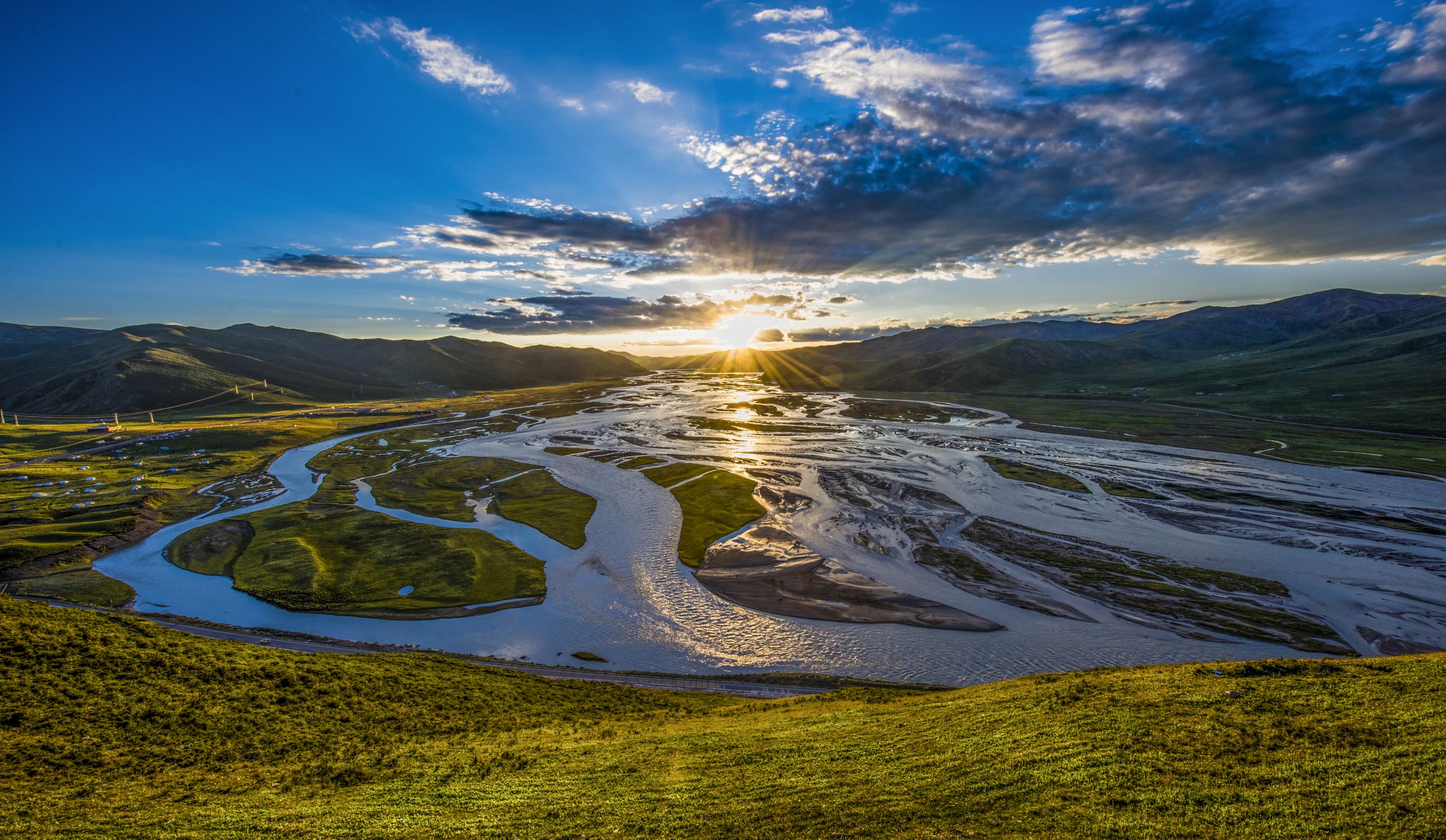
This unique natural and geographical feature has nurtured Qinghai’s biodiversity and creates Qinghai’s unique ecological value. Most areas in Qinghai are located in the third pole of the earth (roof of the world– Qinghai-Tibet Plateau), from which the Yangtze River, the Yellow River and the Lancang River originate. “Three River Source” provides rich water resources for the whole country and even Southeast Asia. At the same time, it is also the region with the highest biodiversity, species diversity, gene diversity, and genetic diversity in the world. This place is also a natural species resource bank for alpine ecosystem, a sensitive area and starting area for the northern hemisphere climate, as well as a regulator and stabilizer for the global ecosystem. It can be said that Qinghai is an ecological treasure land in China and even in the world.
At the same time, Qinghai’s unique geographical environment puts forward extraordinary requirements for human survival ability and wisdom. For thousands of years, the ancestors here have formed a simple philosophy in the process of understanding and adapting to nature, that is, interdependence with nature, mountains and rivers, animals and plants, and people themselves.
In short, “life community” and “living beings share the same fate”. This concept is not only the cornerstone of the construction of modern ecological civilization, but also a cultural treasure worth exploring in the field of eco-tourism. Relying on unique natural and cultural resources, Qinghai takes “ecology first and green development” as the bottom line to build an international eco-tourism destination.
At present, such a system with eco- tourism as the core has been basically established, and Qinghai is becoming a world-class ecological tourist attraction.
Qinghai Lake
Qinghai Lake is China’s largest inland saltwater lake, situated at an altitude of 3,196 meters. In Tibetan, it is known as Tso Ngönpo, meaning “The Blue Sea.” The core scenic area consists of two main destinations: Erlangjian on the southern shore and Fairy Bay on the northern shore.
Erlangjian Scenic Area serves as the main hub for sightseeing and visitor services at Qinghai Lake. Its narrow peninsula extends deep into the lake, offering expansive panoramic views and making it one of the best vantage points for taking in the scenery. The area is well equipped with visitor facilities, where guests can enjoy boat cruises, experience traditional Tibetan song and dance, and immerse themselves in local culture – a perfect blend of natural beauty and leisure.
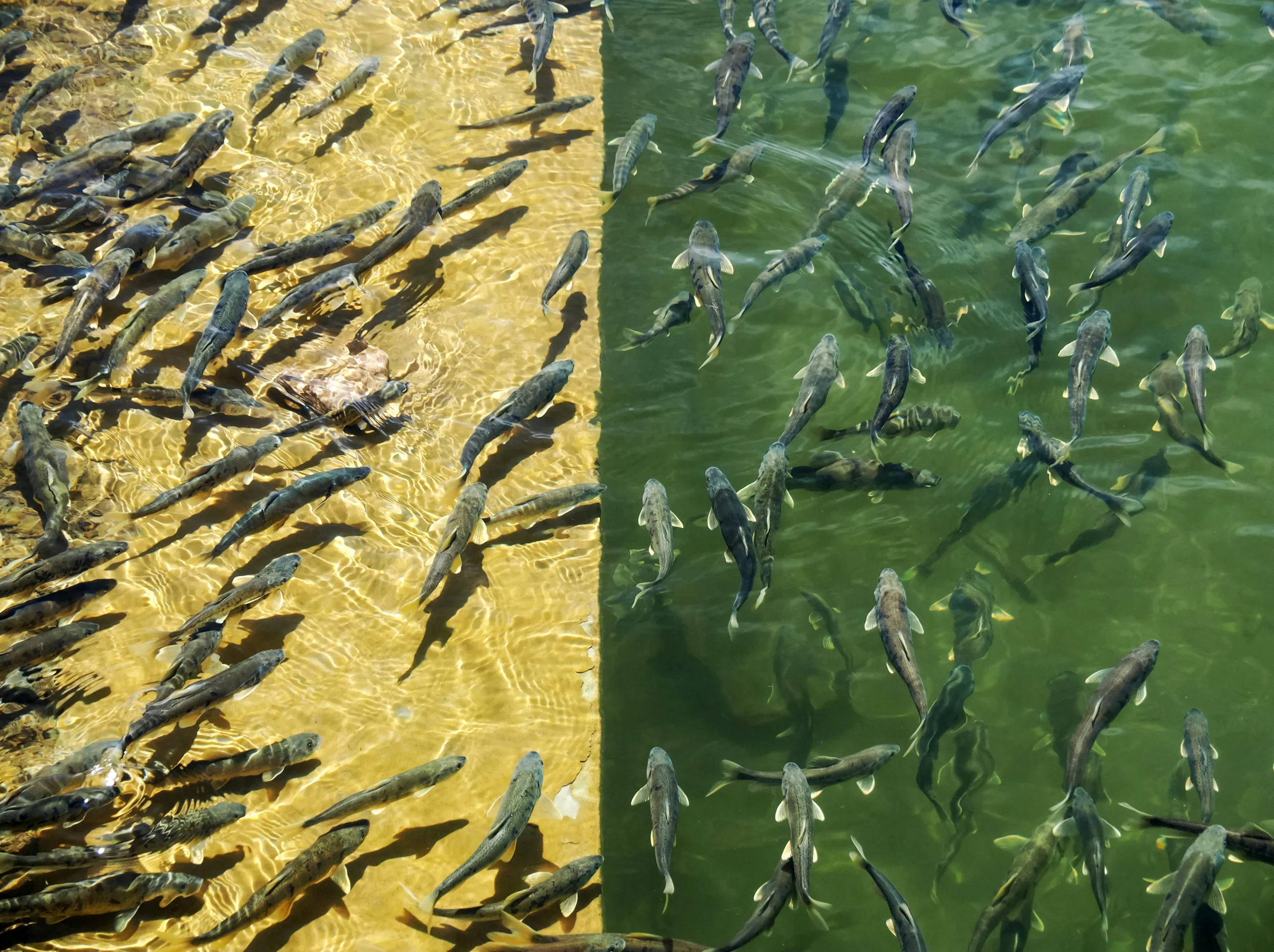
Fairy Bay Scenic Area is a wetland of international importance, renowned for its lush aquatic vegetation and rich biodiversity. In autumn and winter, it becomes a sanctuary for large flocks of whooper swans, while spring and summer attract rare species such as black-necked cranes and bar-headed geese. The area also features Sansheng Laze Cultural Site, the highest cultural landmark along the lakeshore, showcasing the spiritual and historical depth of Tibetan heritage.
-scaled.webp)
-scaled.webp)
-scaled.webp)
-scaled.webp)
-scaled.webp)
-scaled.webp)
-scaled.webp)
Gallery
-CR.Yi-Ming-.jpg "Qinghai “Ganban” (Dry Mixed Noodles)")

CR.Yi-Ming).jpg "Qinghai Niangpi (Steamed flour skin wrapper)")
CR.Yi-Ming)-scaled.jpg "Tu’s Lunziqiu (Wooden wheel stone grinder carousel)")

CR.Yi-Ming-scaled.jpg "Huaer Singer (Qinghai Folk Song)")

-scaled.webp "《仙米国家森林公园》cr.杨金花(Xianmi National Forest Park,CR. Yang Jinhua)")
-scaled.webp "《坎布拉丹霞》CR.赵永贵(Kanbula Danxia Landform,Cr. Zhao Yonggui)")
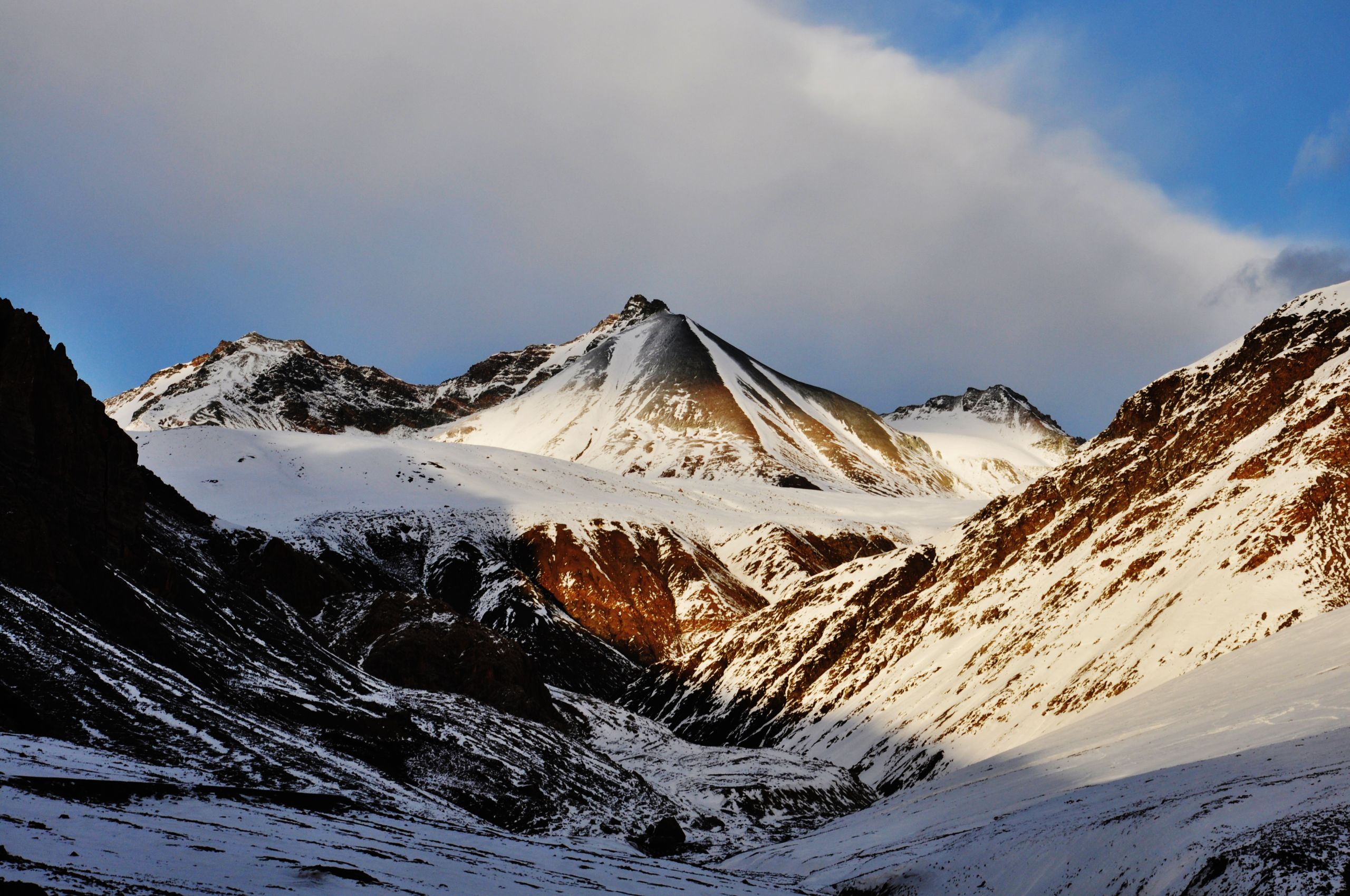
-scaled.webp "《寂静的黄昏——阿尼玛卿》CR.官皓然(Silent Dusk — AnyêmaqênCR. Guan Haoran)")
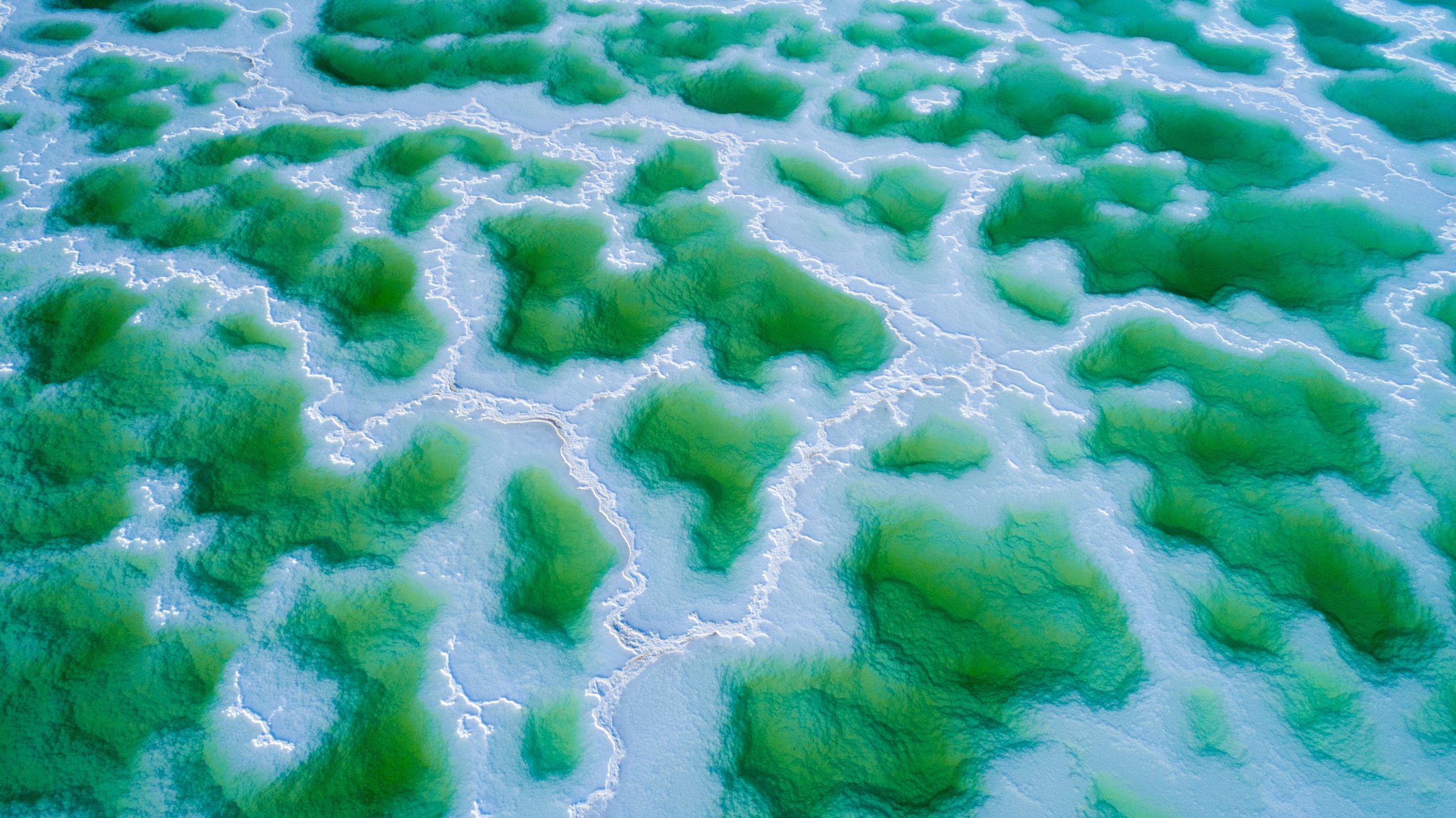
-scaled.webp "《盐湖芭蕾》CR.李爱民(Ballet on the Salt Lake,CR.Li Aimin)")
-scaled.webp "《祁连牛心山》CR.官春明(Qilian Niuxin Mountain,CR.Guan Chunming)")
-scaled.webp "《轮子秋》CR.杨金花(Wheel Swing,Cr.Yang Jinhua)")
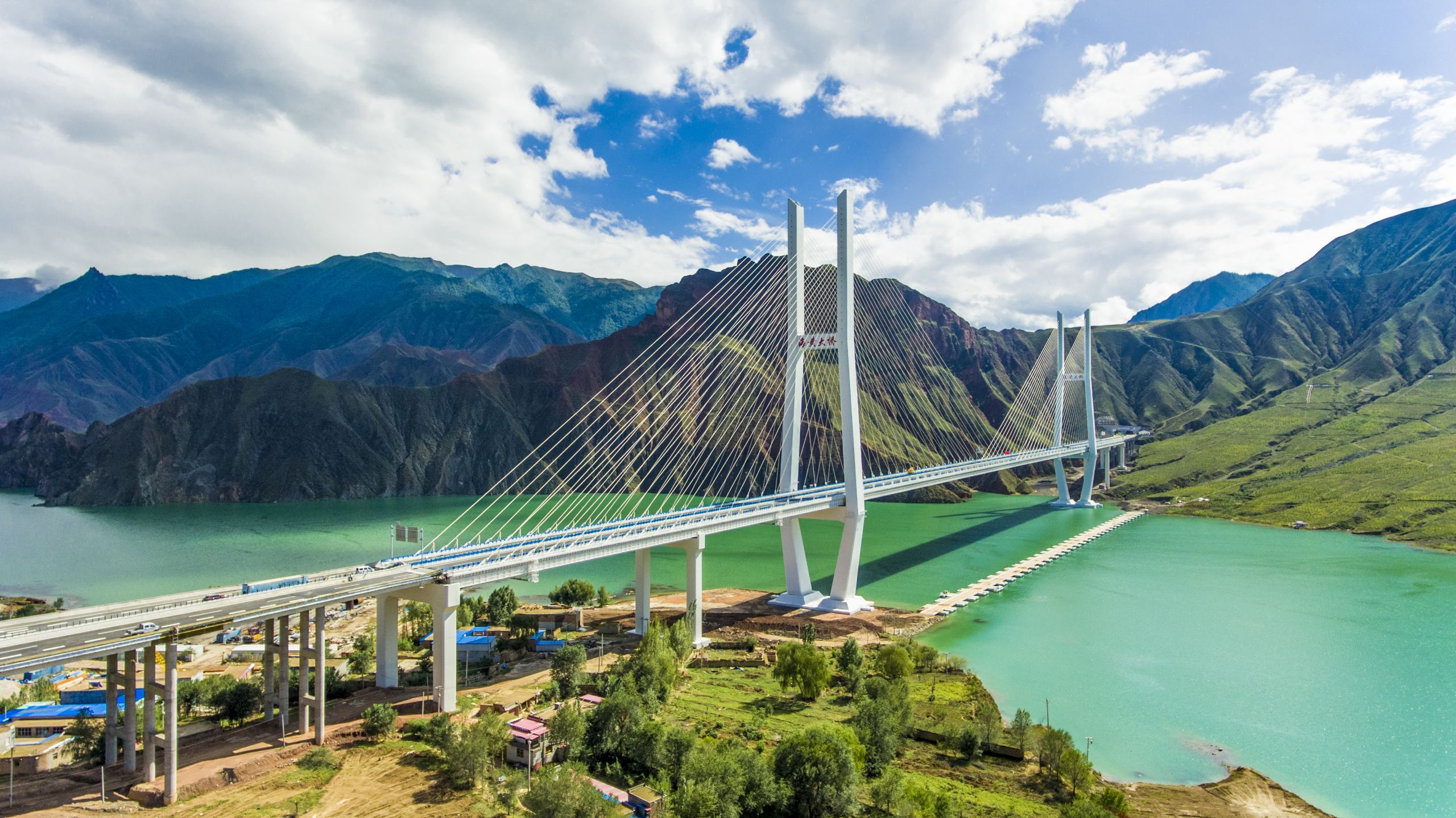
-scaled.webp "《醉美公路》CR.杨金花(Charming Highway CR. Yang Jinhua)")
-scaled.webp "《雪上精灵》CR.杨金花(Spirits on the Snow,CR. Yang Jinhua)")

