European Influencer Tour of Fujian Days 3–4: The King of Tulou, Ancient Quanzhou, and the Tea Rhythms of Wuyi
From 18 to 19 January, the “Discover the Fujian Lifestyle, Experience Beautiful China – European Travel Media and Influencer Tour of Fujian” entered its “in-depth phase.” The itinerary progressed from the Chengqi Lou in Yongding to the Clock Tower, West Street, and Kaiyuan Temple in ancient Quanzhou, where influencers explored the openness of the Song and Yuan Dynasty Maritime Silk Road. The journey continued through the floral traditions of Xunpu fishing village before heading north to Mount Wuyi to experience the craftsmanship of Jian ware pottery and the evocative evening performance of Impression Dahongpao.
If the first two days were designed to “encourage international audiences to click,” these two days focused on “encouraging them to watch, share, and save.” Rather than simply stacking attractions, the itinerary linked World Heritage sites, intangible heritage techniques, urban governance, and new cultural tourism scenes into an accessible chain of experience. It showcased the natural resources of the “Gallery of Mountains and Seas” and the vibrant quality of “Fresh Fujian,” grounding the theme of “blessings” in genuine human encounters—the true essence of the event: seeing the scenery while understanding China.
Chengqi Lou: Capturing the Order of Collective Living
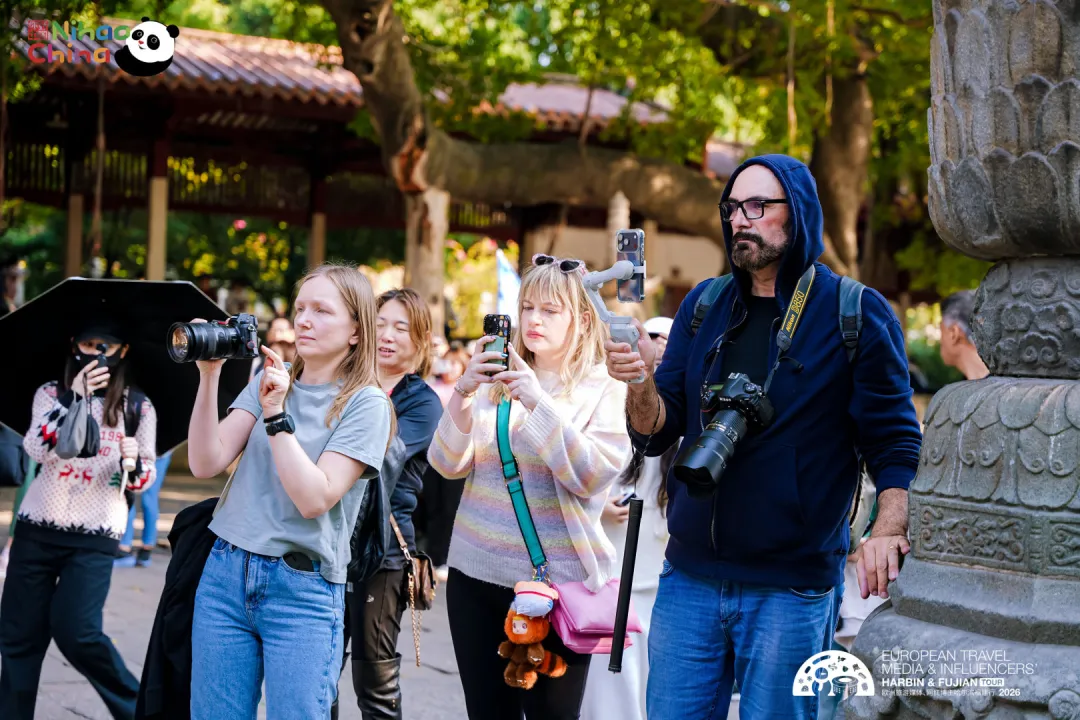
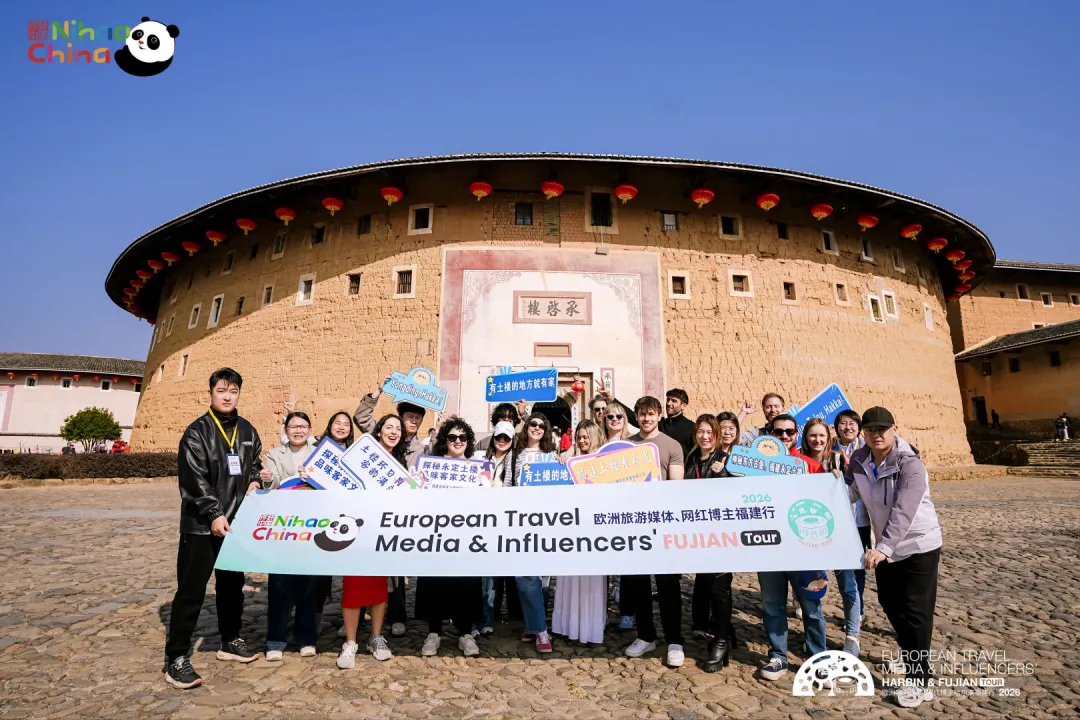
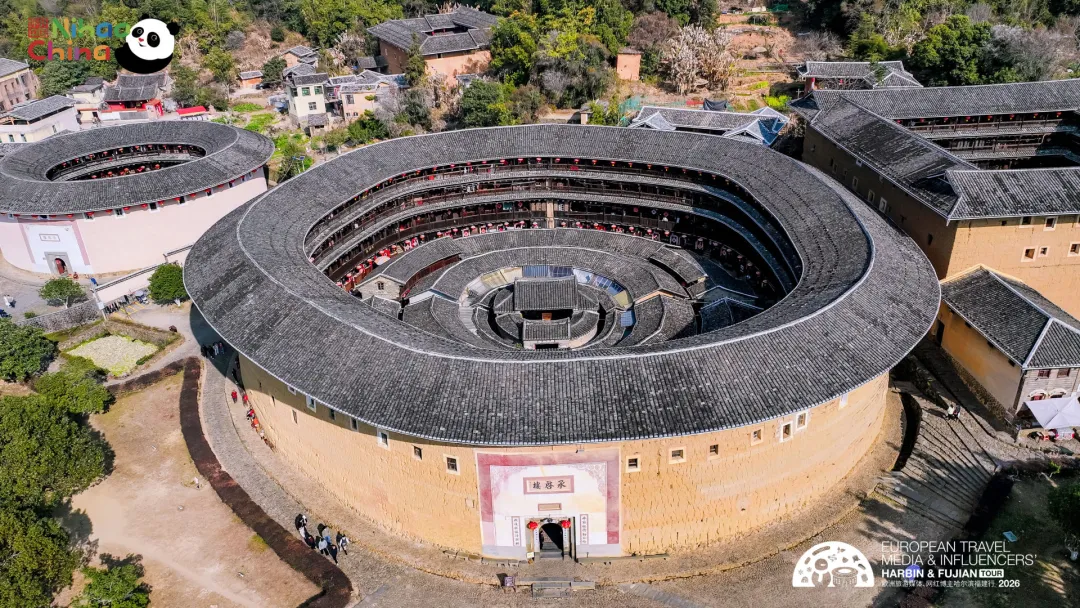
On the morning of 18 January, influencers were given free rein to film at Chengqi Lou, the “King of Tulou.” The impact of the Tulou lies not in its height, but in its stability: the enclosed structure seamlessly stitches together family, neighbours, and public space.
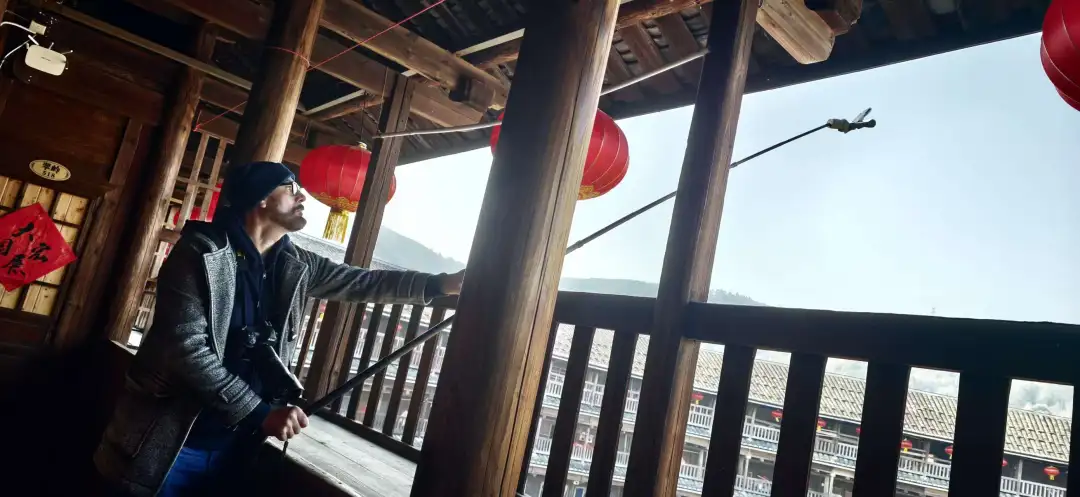
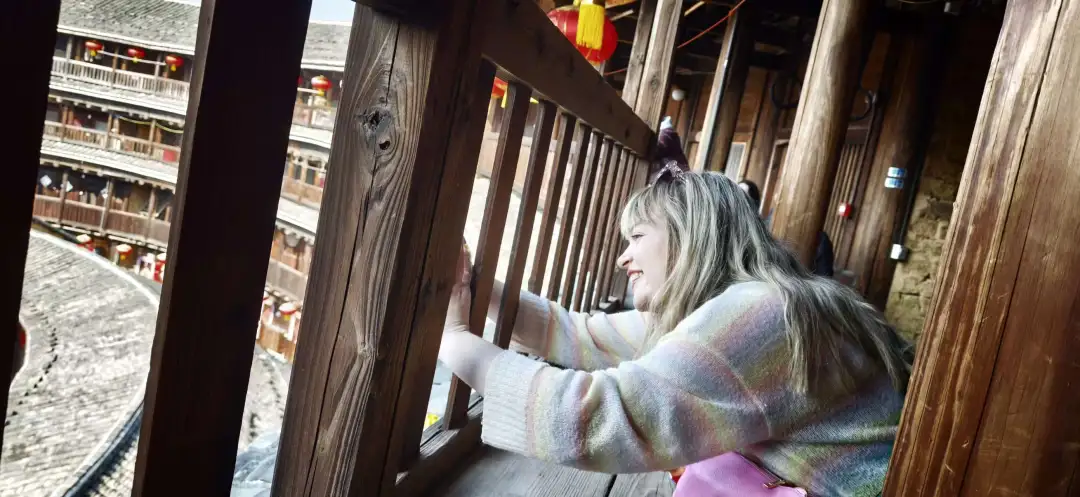
The influencers moved into a “slow-shooting mode.” A British creator noted while framing a shot: “It doesn’t feel like a tourist attraction; it feels like a mature community solution.”
An Italian influencer, filming the symmetry and depth of the building for several minutes, remarked: “The sense of order here is so strong it doesn’t even need a filter.” Others focused their lenses on the textures of wood grain and worn stone steps, noting that “time” is most honest in these details.
For them, the Tulou offered a “living wisdom” to share with European audiences—how people in the mountains collaborate, settle, and manage a community as a daily practice.
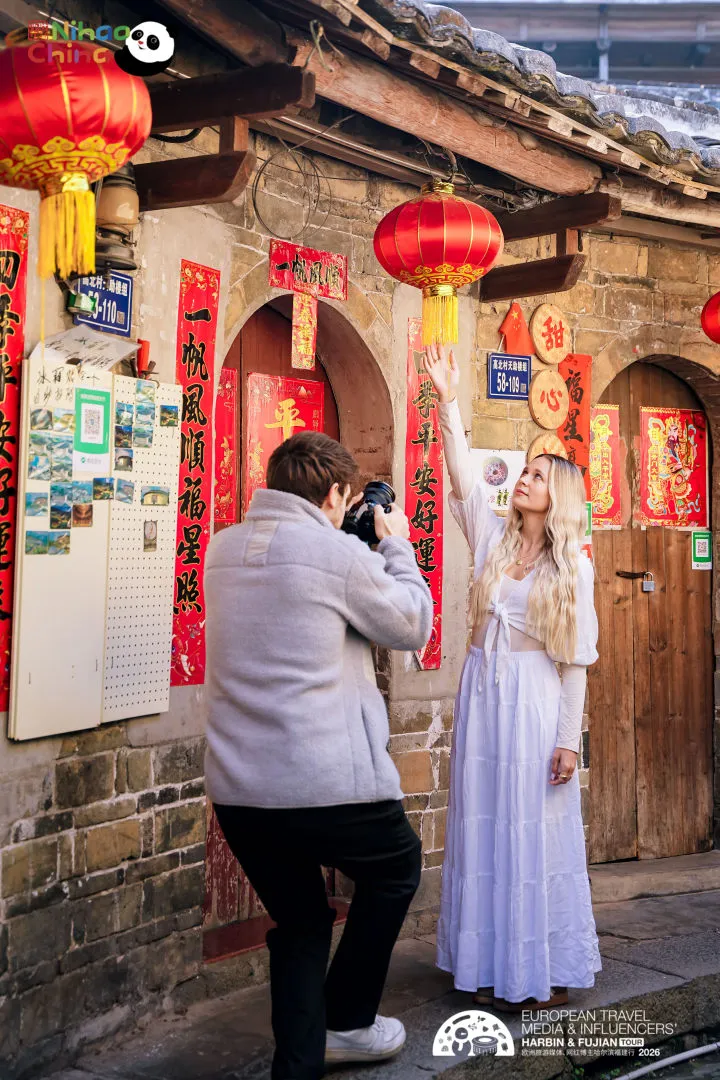
Quanzhou Old Town: Clock Tower Tones and Street-Side Answers
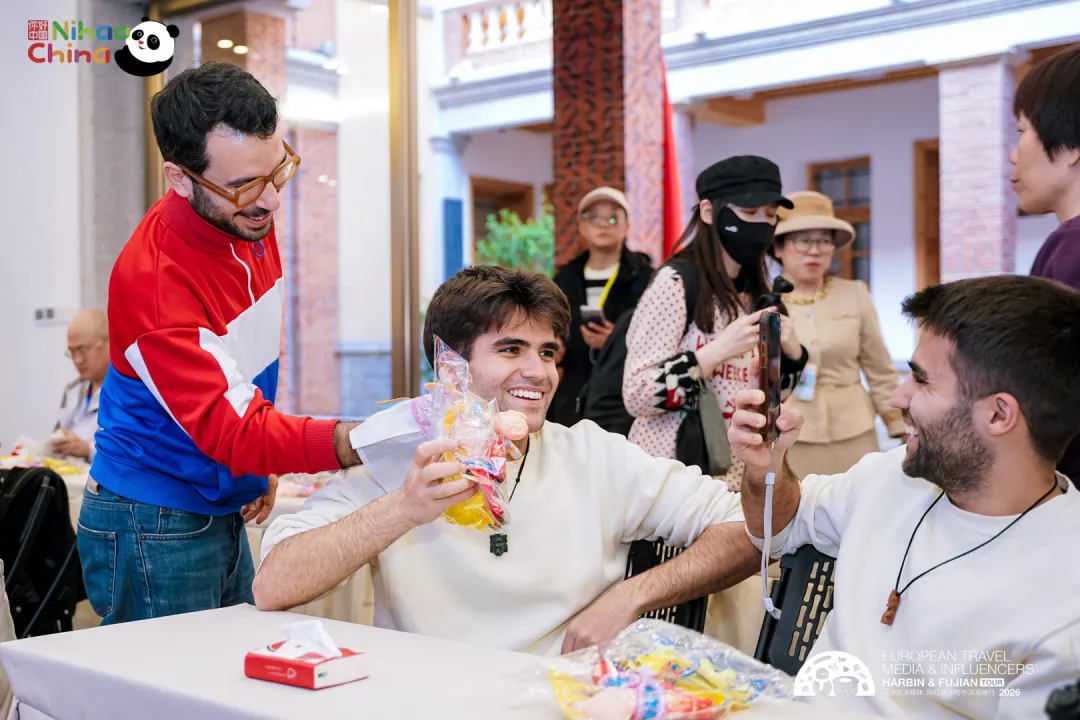
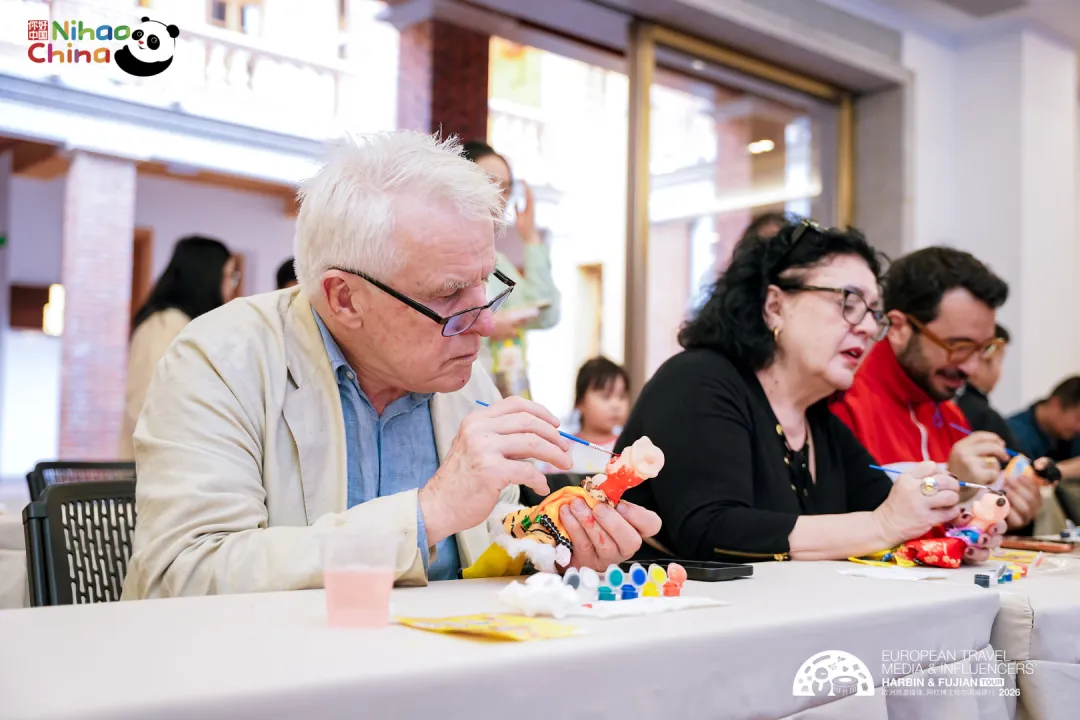
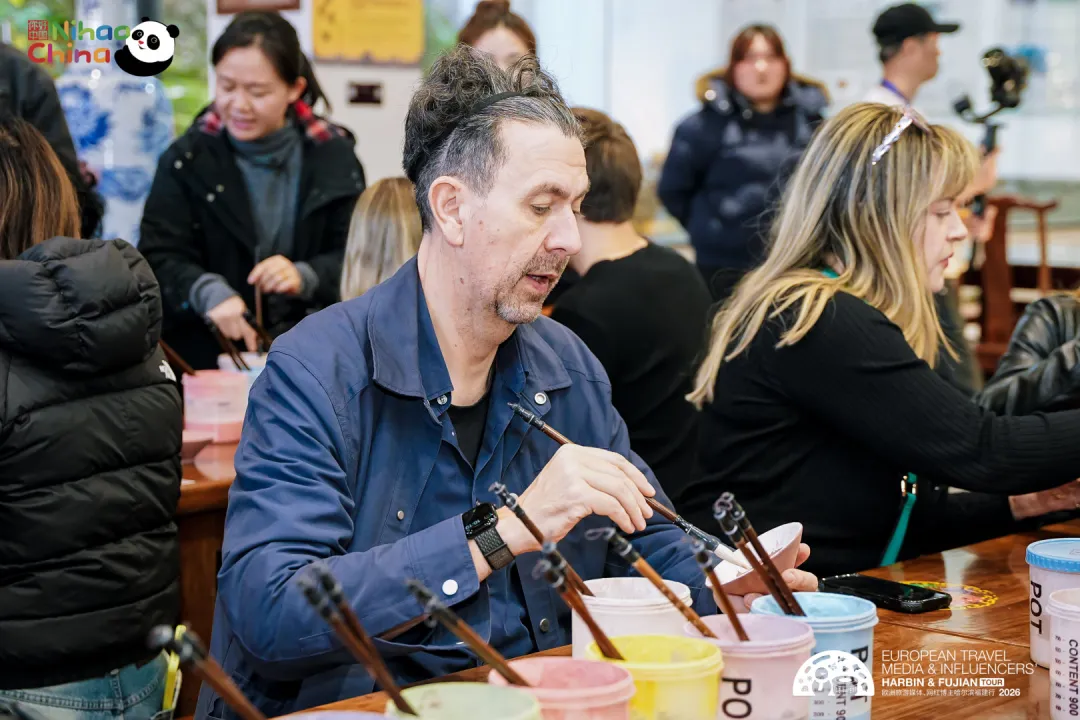
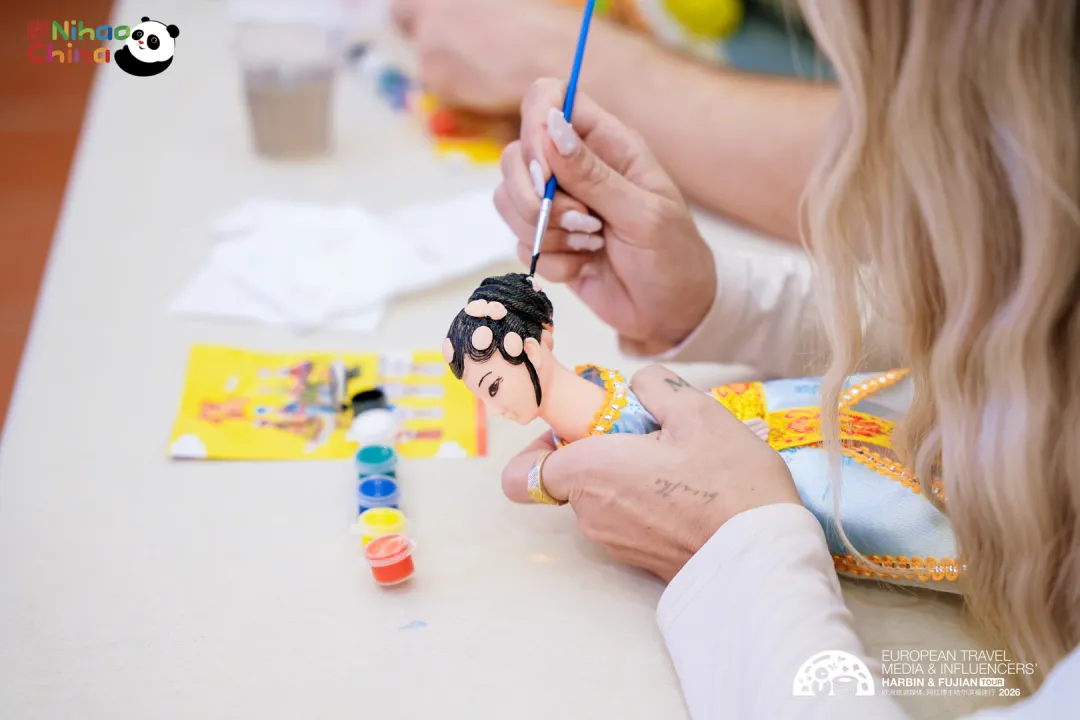
The tour then moved to Quanzhou. As a visual coordinate of the ancient city, the Clock Tower sets a clean first impression: looking up at time, looking down at life. This was followed by a visit to the Quanzhou Arts and Crafts Cooperative to experience the carving of puppet heads. Once the tools were in hand, the influencers were captivated by the precision required; every cut determines the contour, and every detail dictates the soul of the character.
“I finally understand why intangible heritage cannot just be watched; you must try it yourself,” said a French influencer after completing the first step. A Spanish creator added: “This is not a souvenir; it is the weight of craftsmanship.” Such feedback is vital for international communication, shifting the narrative from symbolic tradition back to authentic labour.
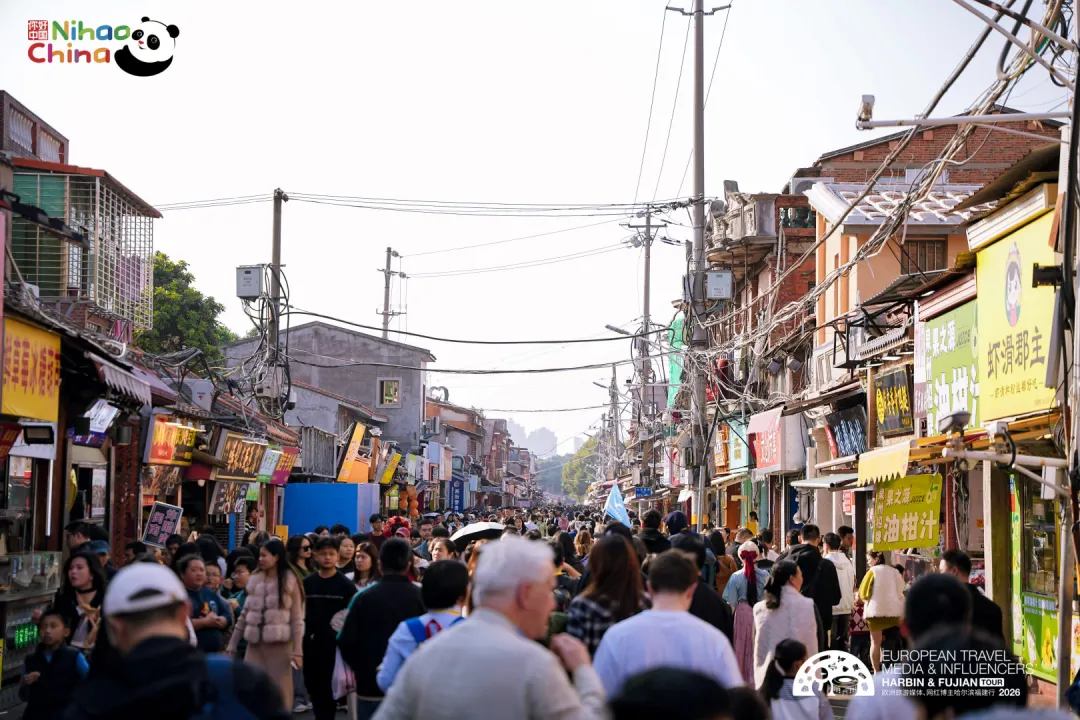
The afternoon at West Street highlighted Quanzhou’s “approachability,” with its arcades, tea aromas, and bustling local life. Influencers remarked that Quanzhou is not a history displayed for tourists, but a city that has never stopped living.
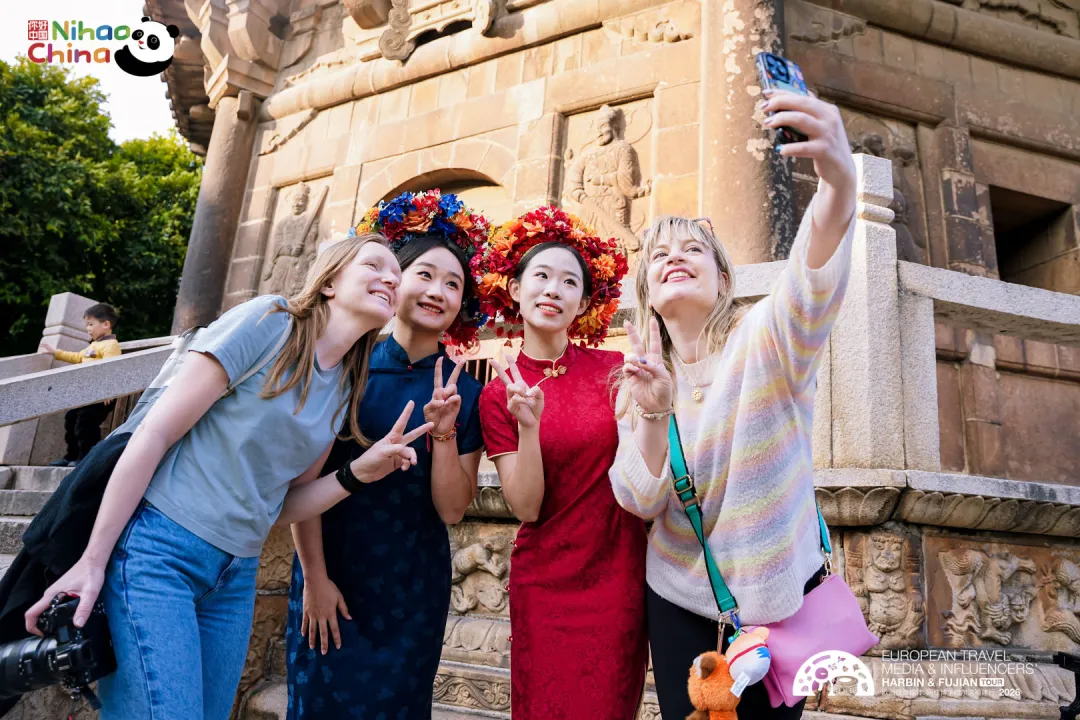
After visiting Kaiyuan Temple, the pace slowed naturally. A Swiss influencer, after observing the ancient trees and pagodas, noted: “Here, I can understand the Chinese ‘sense of time’.”
The consensus among creators was that Quanzhou’s charm lies in its “compatibility”—where religion, trade, and daily life coexist, reflecting the historical memory of the Maritime Silk Road.
Songyuan Teahouse: Defining the Fujian Narrative
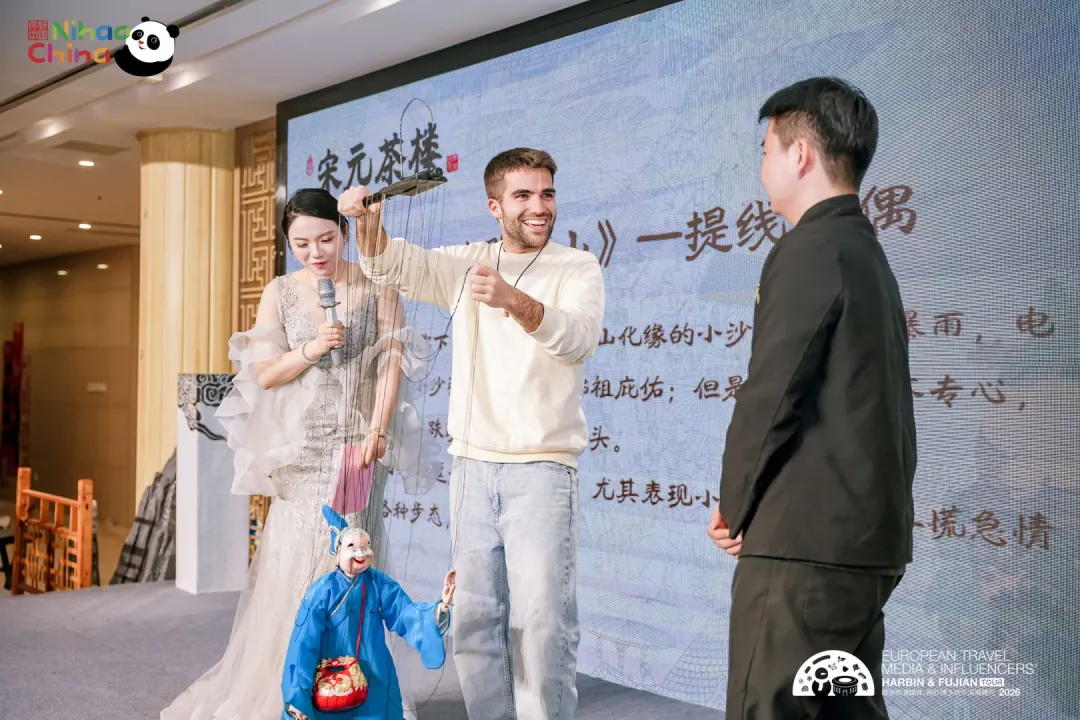
In the evening, a tourism promotion event was held at the Songyuan Teahouse. This served as a moment to consolidate the narrative threads of the trip: mountain and sea resources, world heritage, urban and rural life, and traditional versus modern scenes.
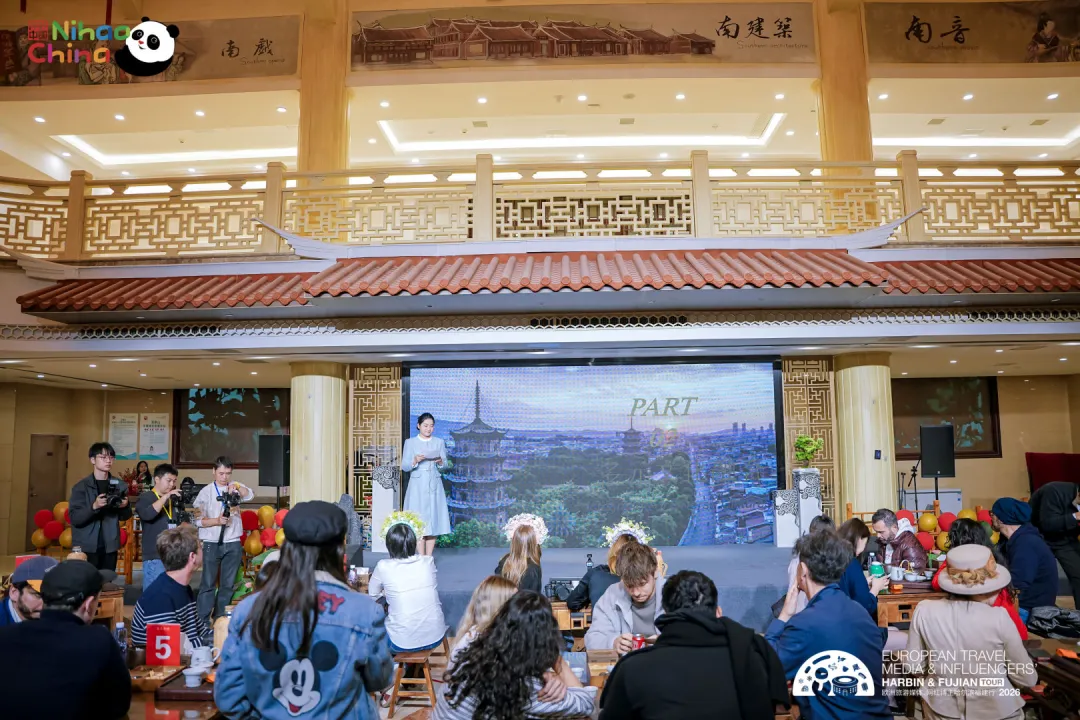
Many influencers immediately took notes. A British media representative said: “Today I gained more than just footage; I gained a narrative framework.” A German influencer added: “The most useful part was the accuracy—knowing which terms to use and how to tell these stories to a European audience.”
This feedback aligns with the activity’s goal of professional, sustainable international communication.
Xunpu Village: Floral Aesthetics and Minnan Beauty
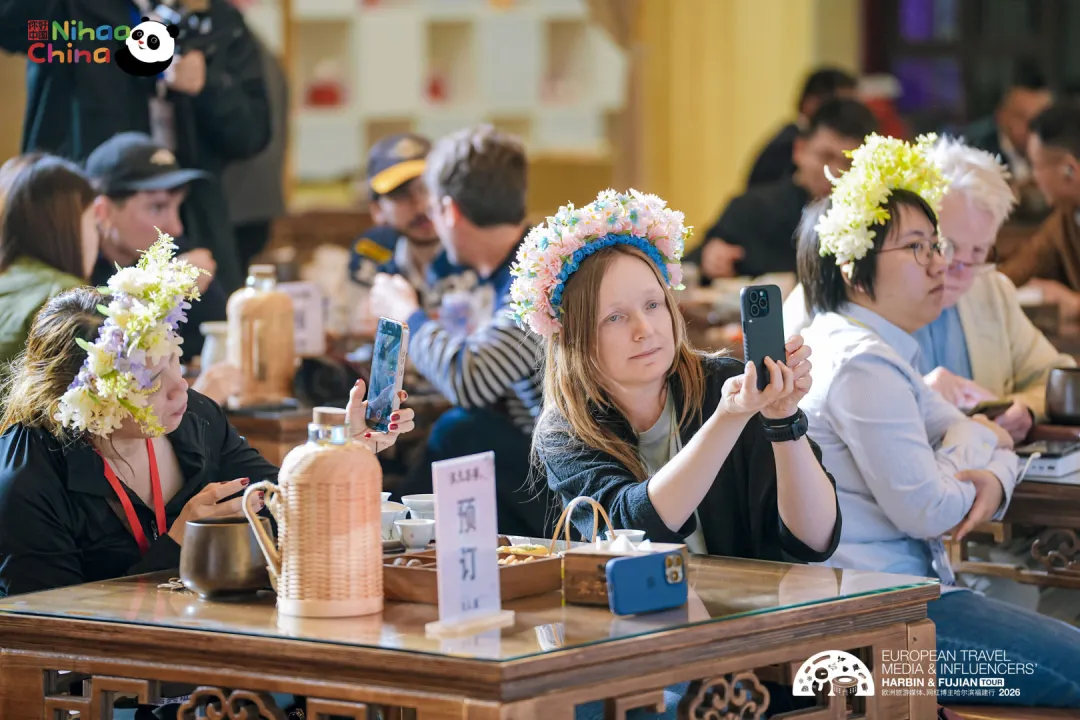
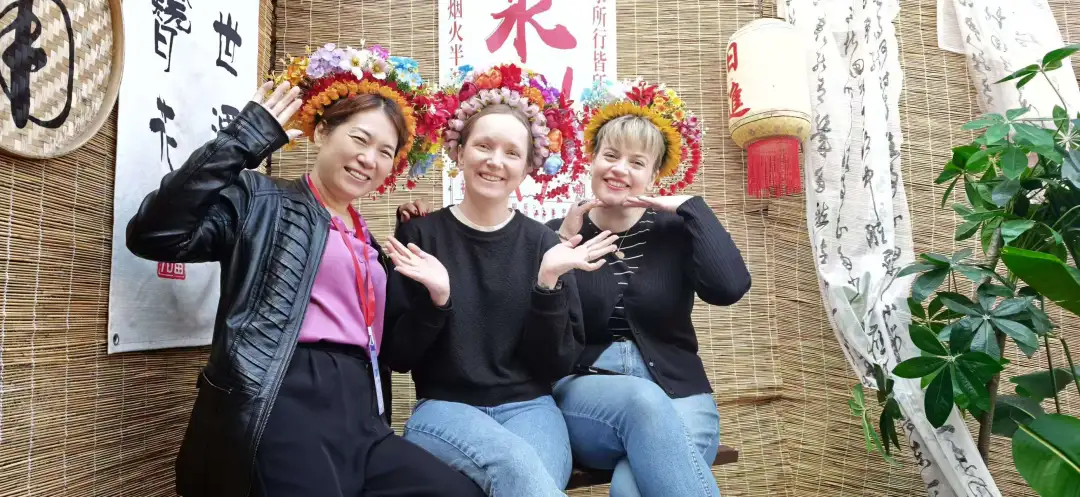
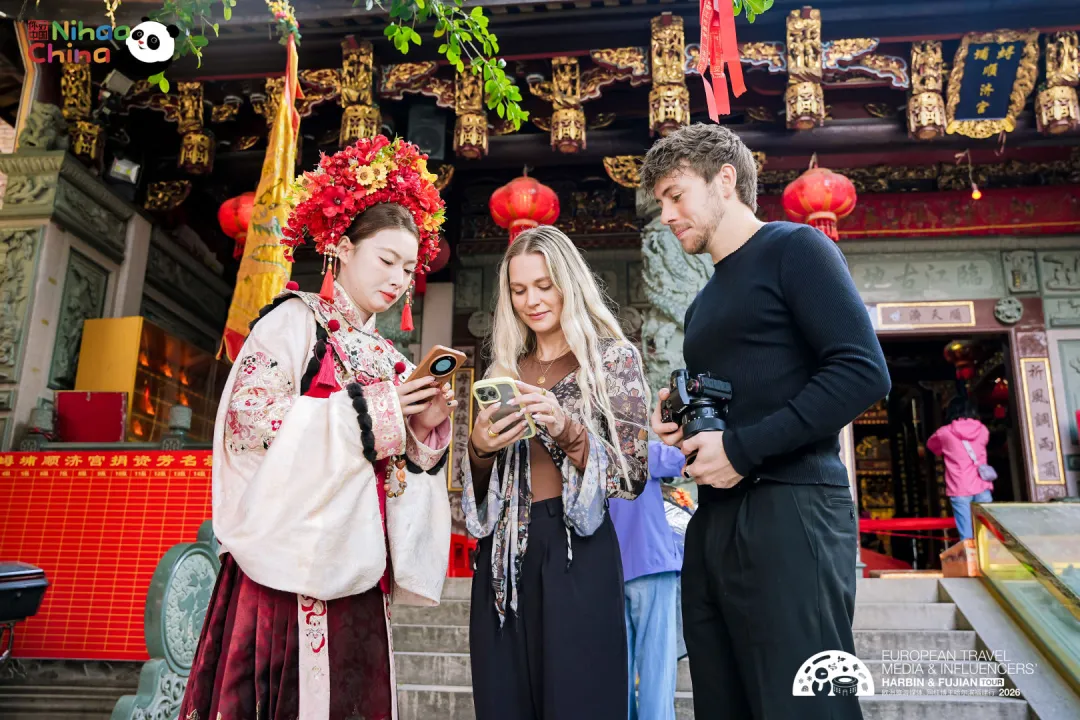
On the morning of 19 January, the group visited the Xunpu folk culture fishing village to experience the “Zanhuawei” (floral headwear). This stop was a natural source of joy; the vibrant colours, the hairstyles, and the coastal light made for perfect content. More importantly, it transformed folklore into participation.
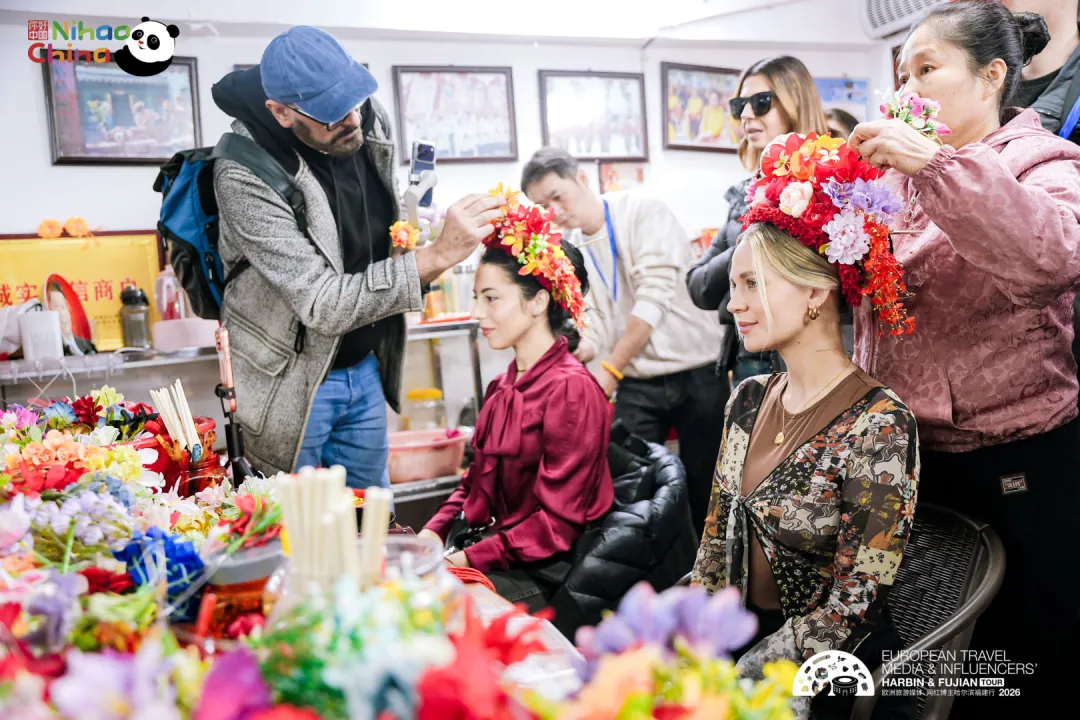
“This is a high-level tradition; it doesn’t require you to understand it first—you just have to like it,” noted a French influencer. Such “accessible daily aesthetics” bridge the distance between traditional culture and international audiences.
Mount Wuyi: Finding Stillness in Tea and Mountains
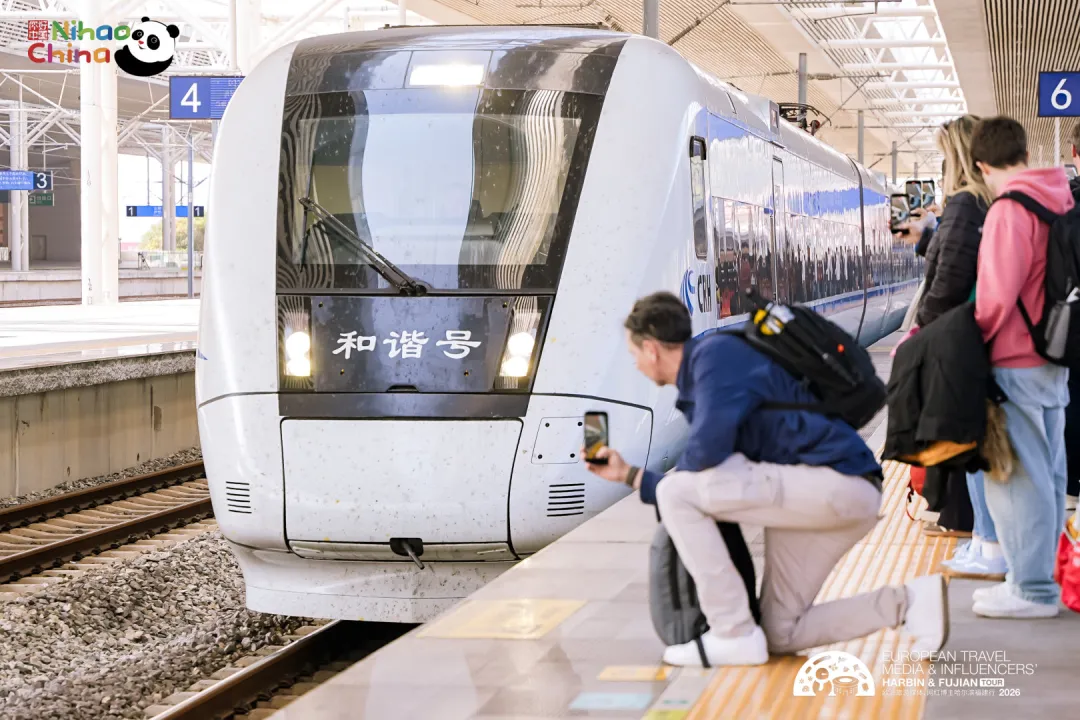
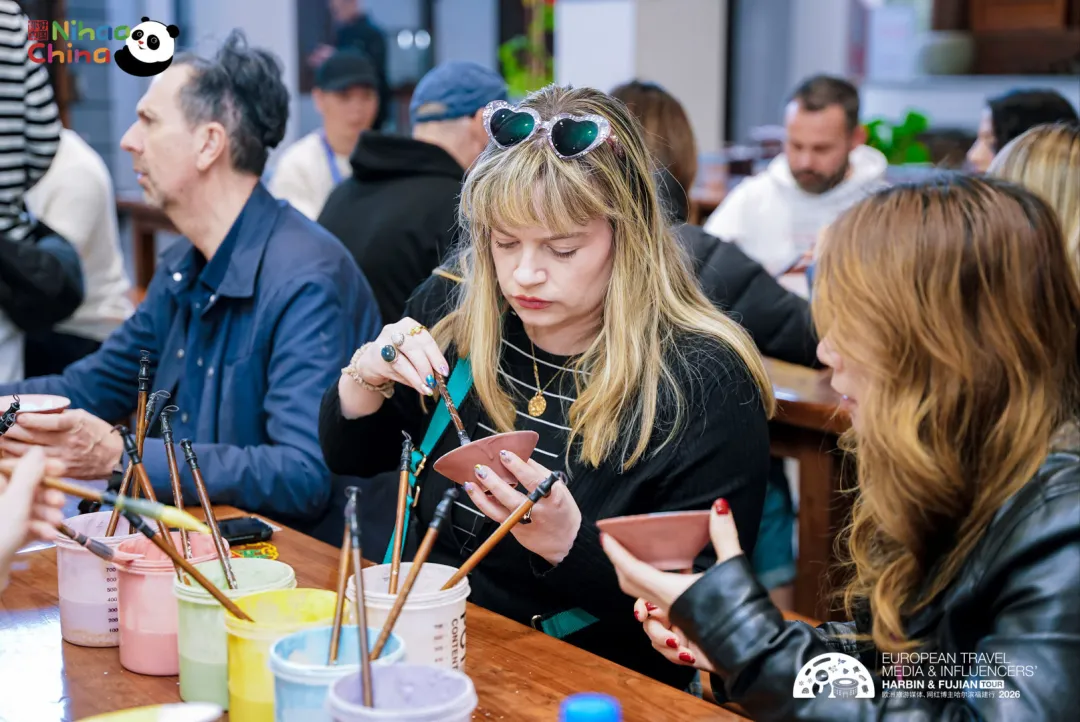
The team then took a high-speed train north to Mount Wuyi. The itinerary shifted from the bright coastal villages to the serene tea country. Upon arrival at the Wuyi Mountain Yulin Manor, influencers experienced the throwing and glazing of Jian ware pottery.
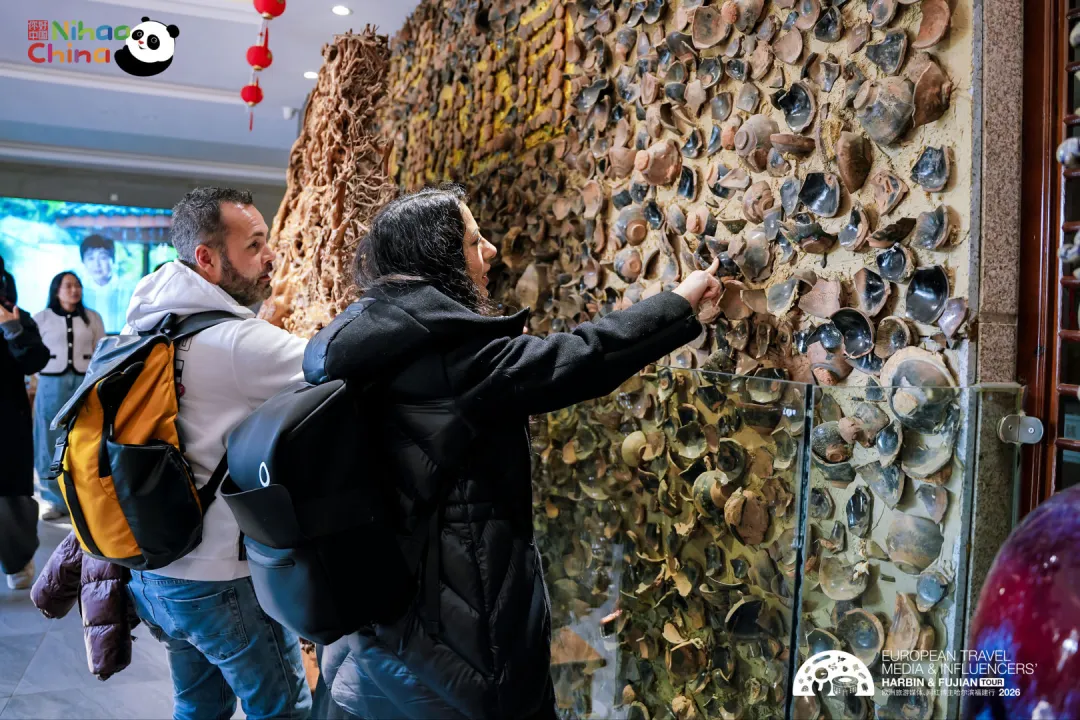
The power of hand-making brought a meditative quiet to the group. One participant, after successfully forming a piece on the fourth try, said: “This will make me remember today more than filming ten short videos.”
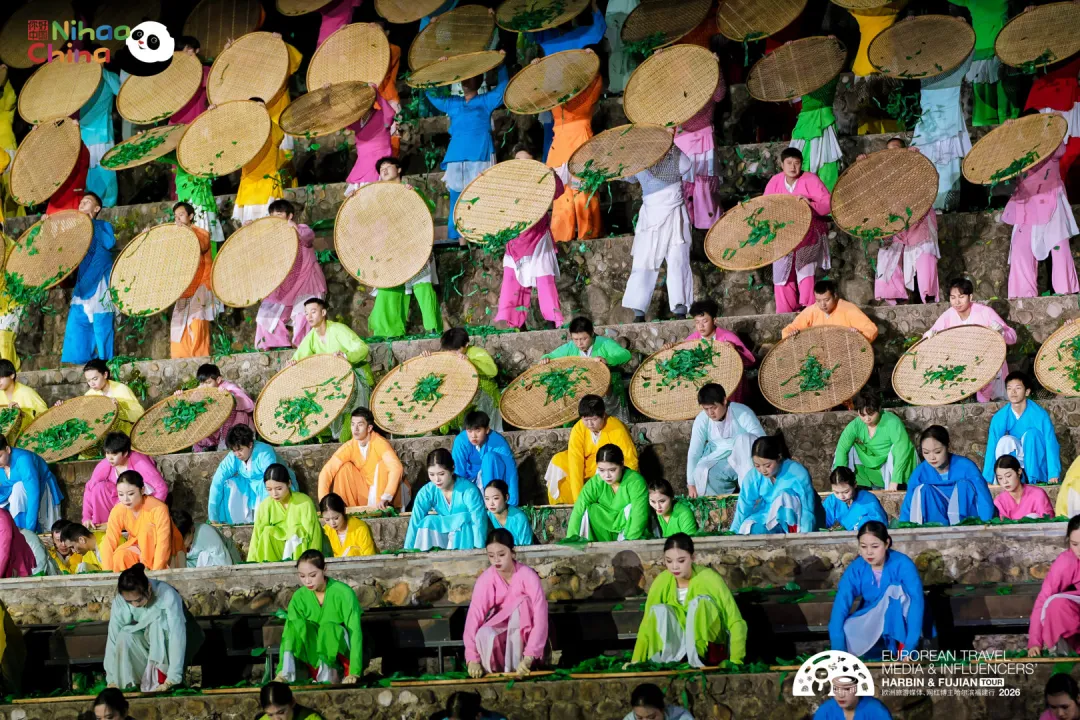
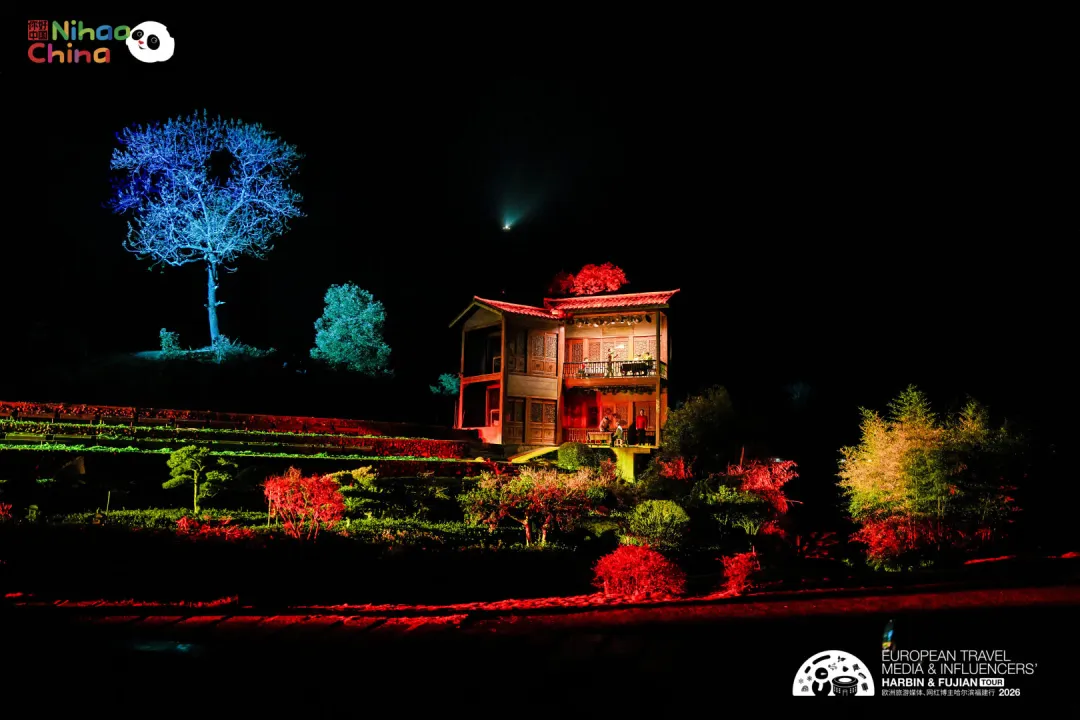
The night concluded with the Impression Dahongpao performance. The landscape-based stage and tea culture narrative left many influencers silent on the way back, re-watching their clips. The resonance of being “covered by nature and culture” is a story they intend to tell the world through their lenses.
Conclusion: Moving from “Seeing” to “Understanding”
The past two days were successful because the content was “easy to tell”: Chengqi Lou spoke of community; Quanzhou spoke of openness and living tradition; Xunpu showed how folk aesthetics are embraced today; and Mount Wuyi grounded the Fujian spirit in tea and landscapes.
For the European creators, the most memorable aspect was not a single point, but a clear experience curve: proximity, followed by understanding, and finally a desire to share. This path aligns with high-quality inbound tourism goals—enhancing attraction through content, communication through immersion, and recognition through interaction.
“Fresh Fujian” is no longer a distant description, but a tangible life; “blessings” are not declared, but naturally felt and carried back to Europe to be shared with the world.