Anhui is as beautiful as a painting, welcoming guests from around the world.
Anhui is located in the central-eastern part of China, with convenient transportation. It brings together China’s richest and most representative natural, cultural, and humanistic resources, making it the best window to experience a real, three-dimensional, and colorful China.
Come to Anhui and encounter Beautiful China
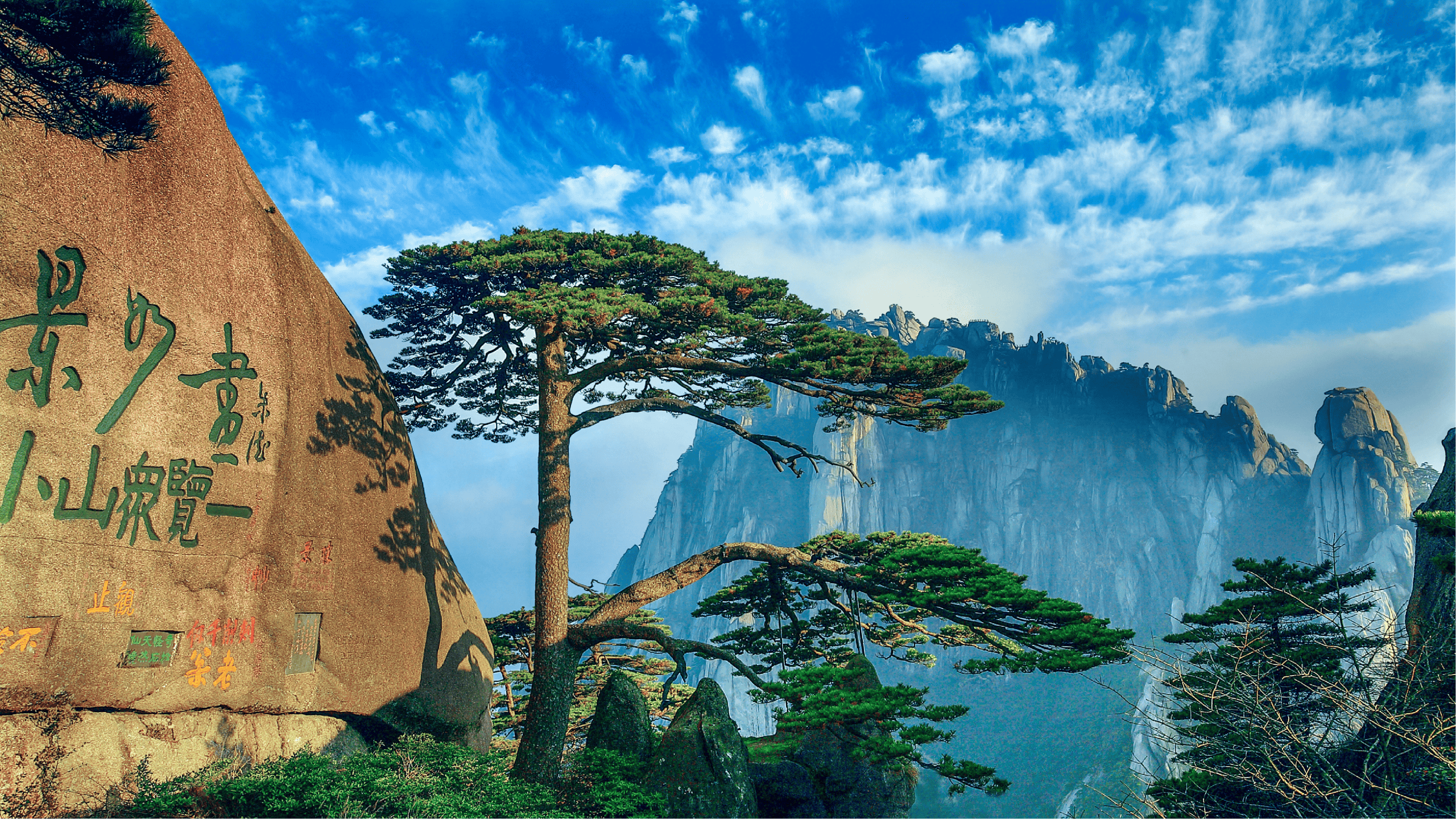
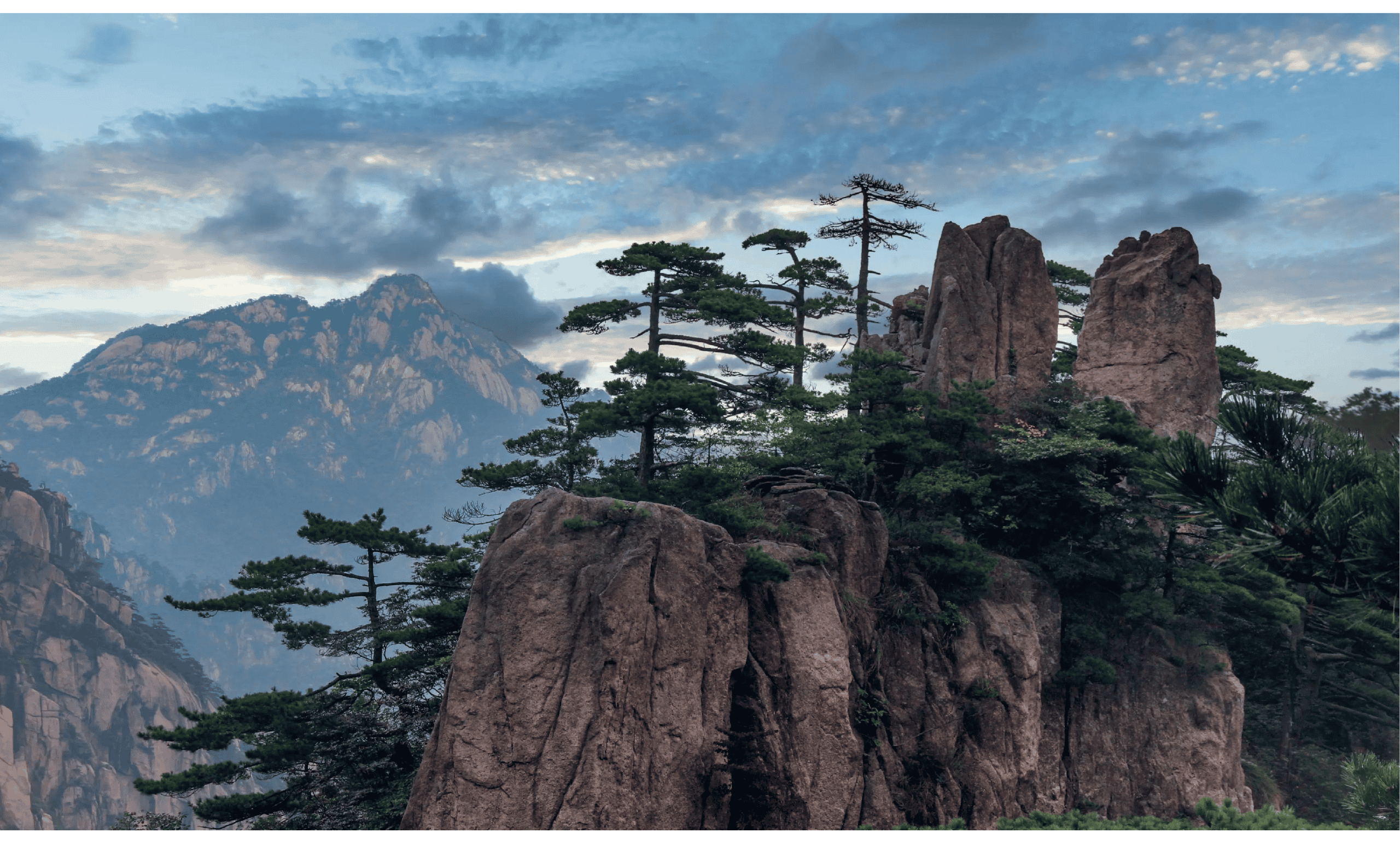
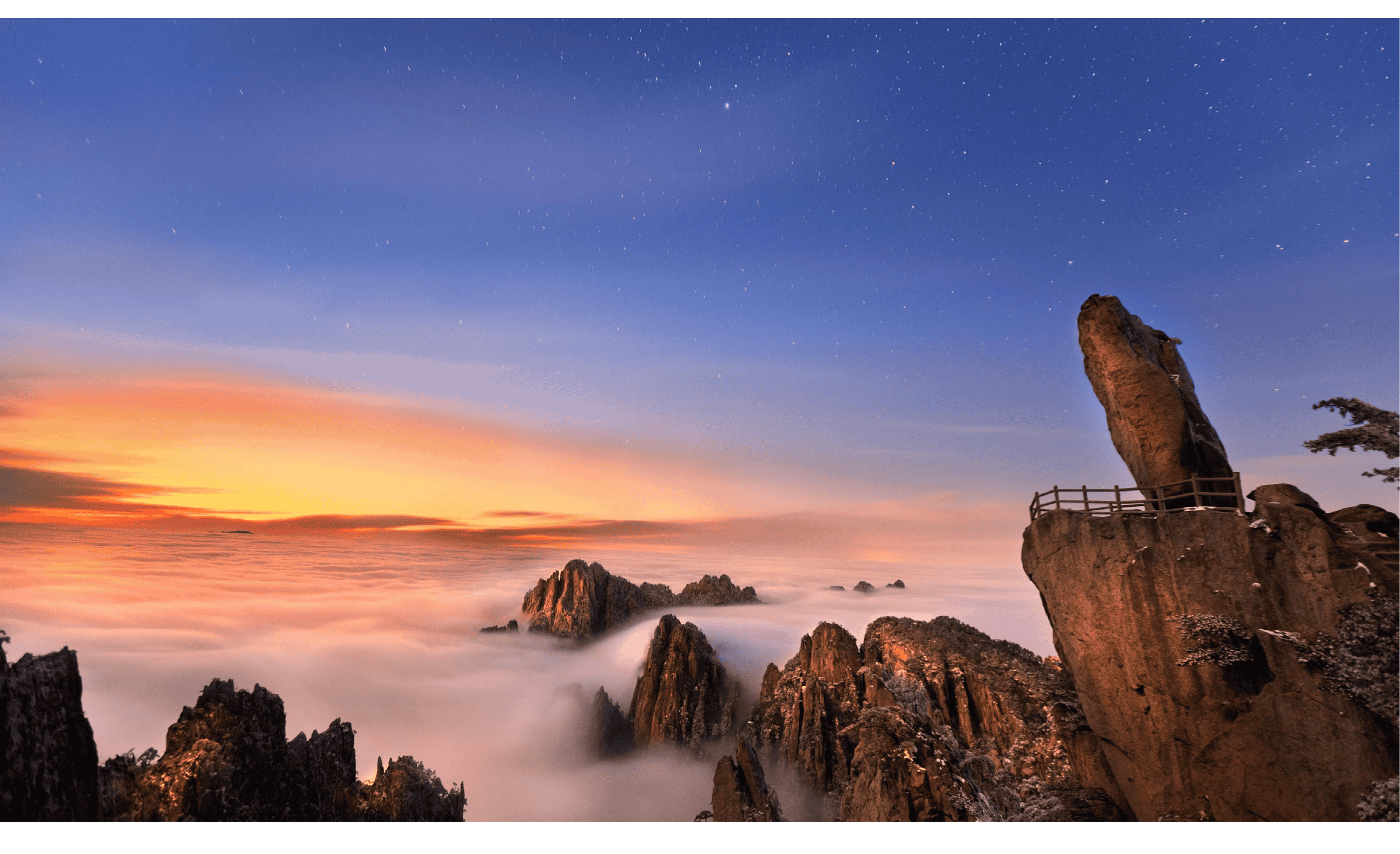
Huangshan, together with the Yangtze River, the Great Wall, and the Yellow River, is a symbol of the Chinese nation and Anhui’s most brilliant calling card. It is the only scenic area in China that simultaneously holds three prestigious titles: World Cultural and Natural Heritage, World Geopark, and World Biosphere Reserve.


Huangshan is famous worldwide for its “Five Wonders”: fantastic pines, grotesque rocks, sea of clouds, hot springs, and winter snow. Xu Xiake, the great Chinese traveler of the Ming Dynasty, climbed it twice and left behind the exclamation: “Having climbed Huangshan, there are no other mountains in the world; the ultimate is here.”
In addition, Jiuhuashan, Qiyunshan, and Tianzhushan are all renowned at home and abroad for their representative religious cultures and natural landscapes.
Chaohu Lake, one of China’s five largest freshwater lakes, is located in the provincial capital Hefei.
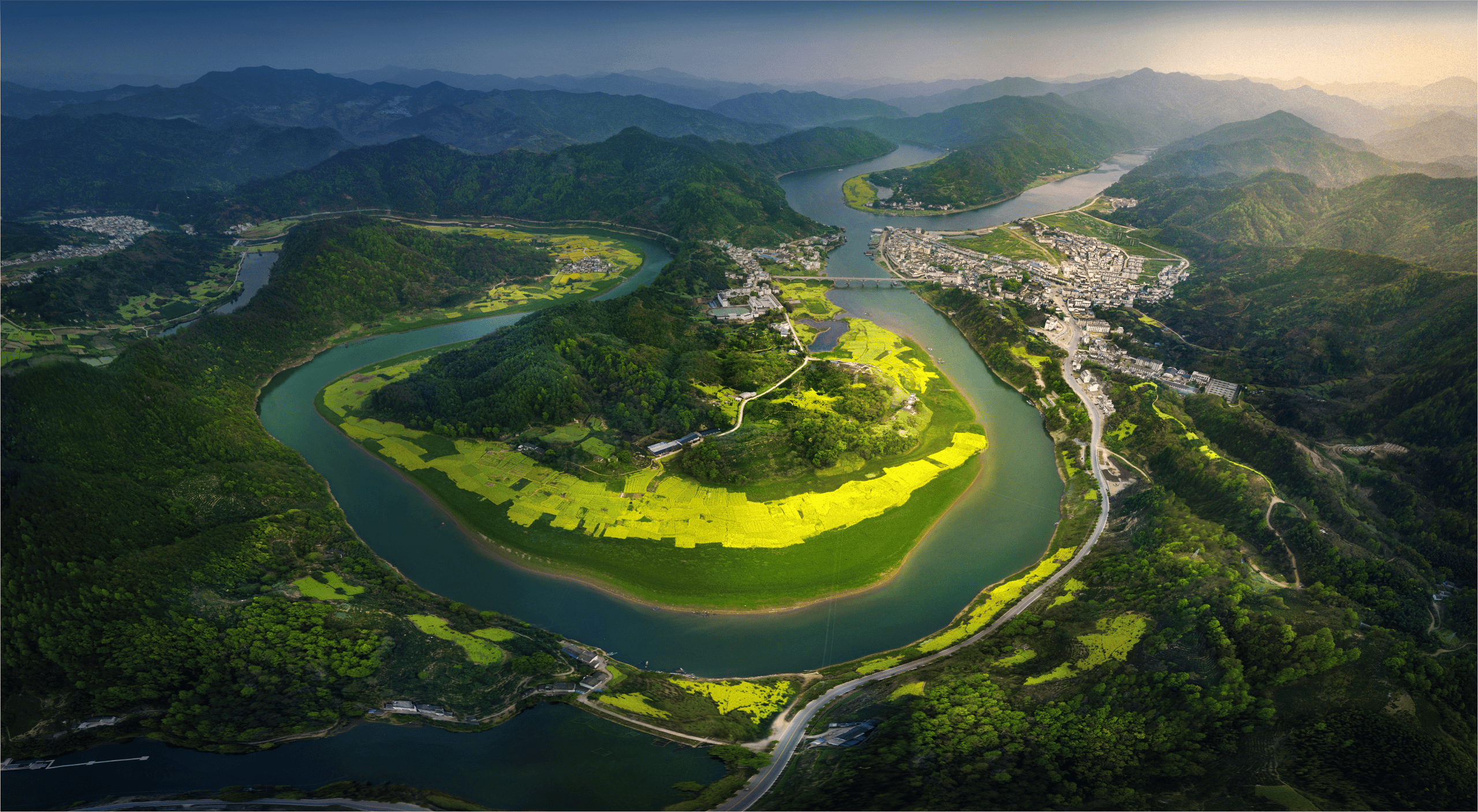
Taiping Lake is known as “the jade at the foot of Huangshan,” and the Xin’an River is called the “Gallery of Landscape.” Beautiful scenes can be found everywhere.


Come to Anhui and encounter Beautiful China
This is a “treasure land” of culture and art. Huizhou culture is one of China’s three major regional cultures, distinguished in philosophy, literature, medicine, architecture, and fine arts.
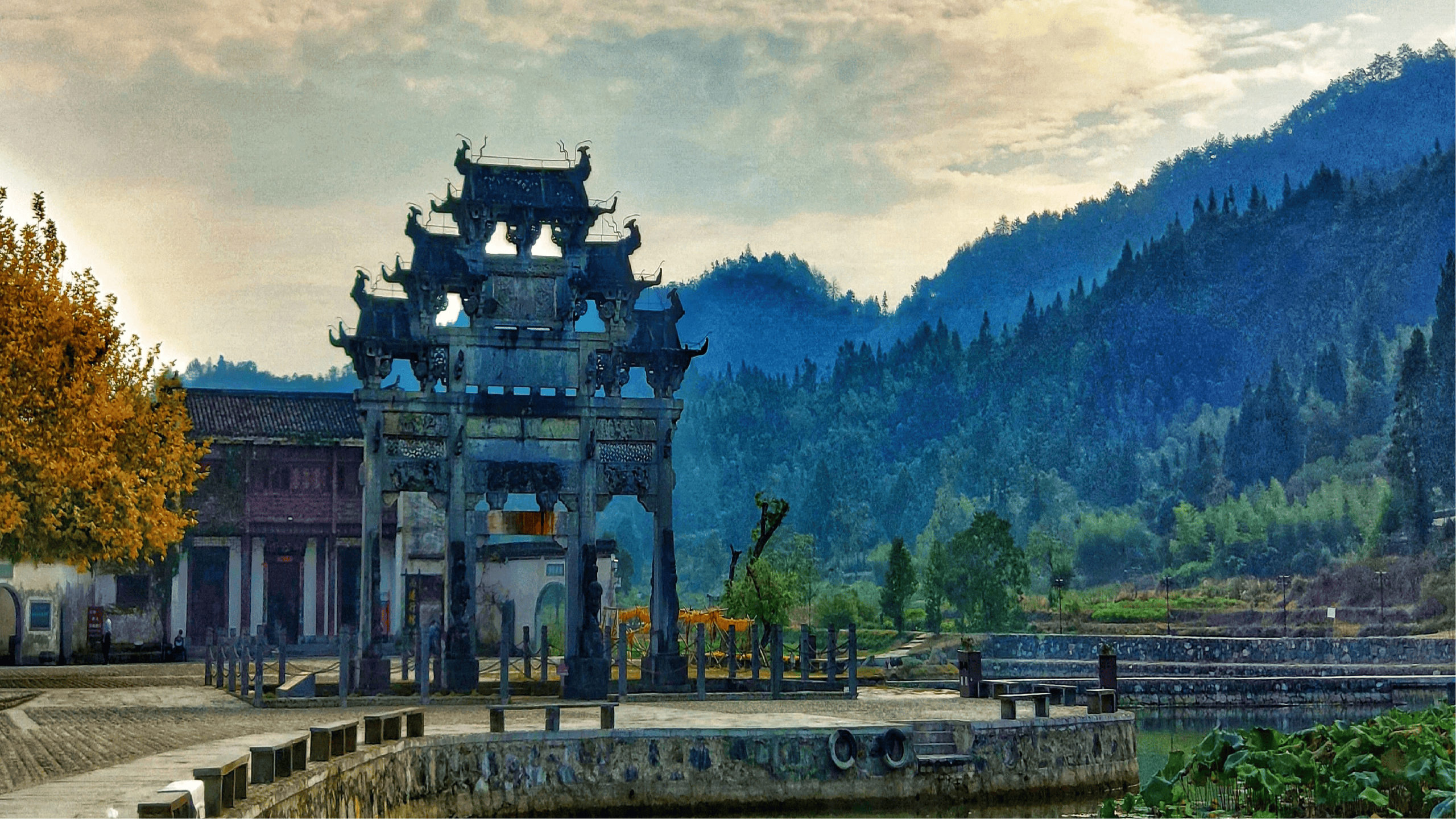
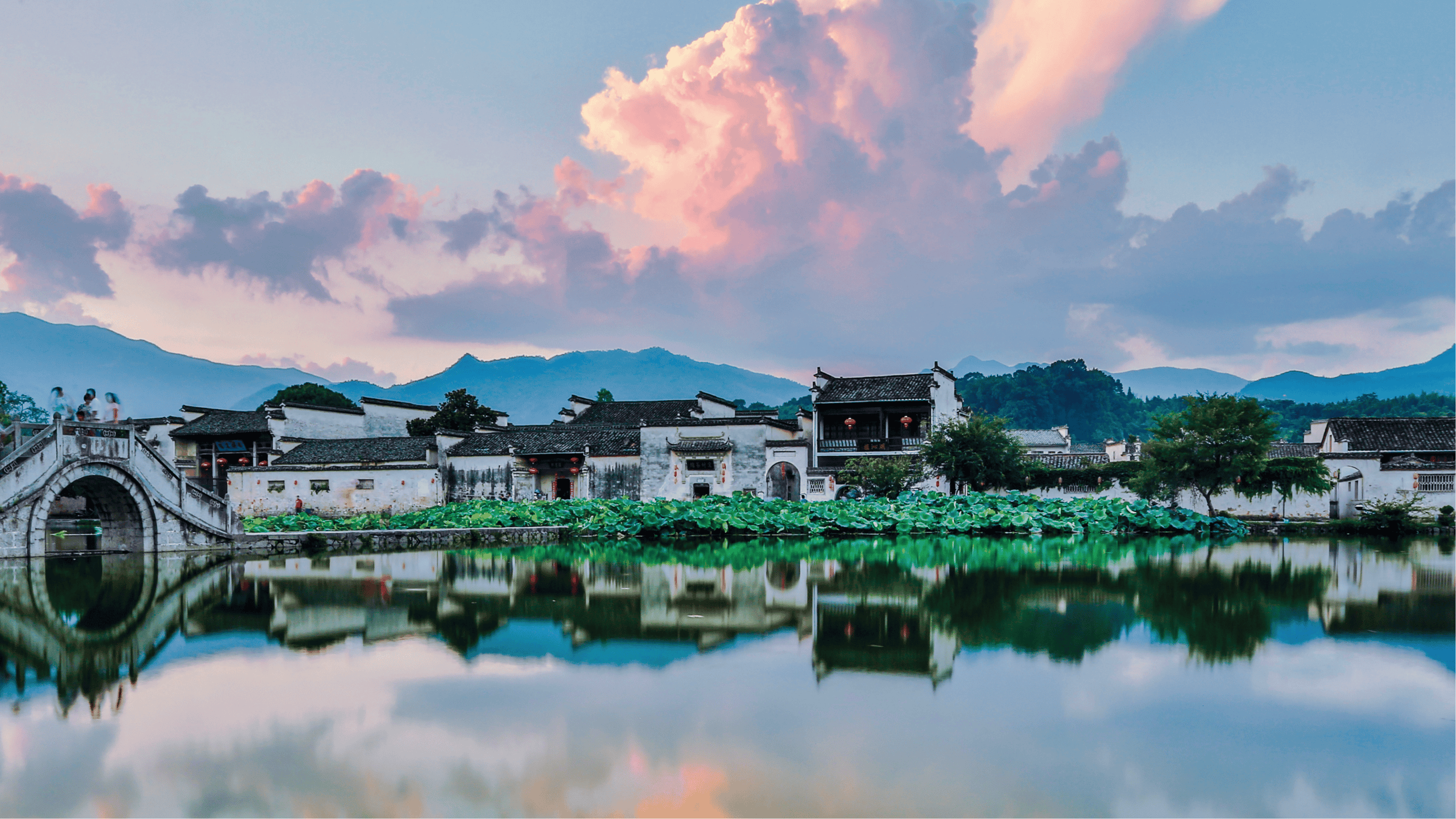
At the foot of Huangshan, ancient villages such as Xidi and Hongcun are scattered about—white walls, black tiles, small bridges, and flowing streams. Xidi has been rated by the United Nations tourism organization as one of the World’s Best Tourism Villages.
China’s Four Treasures of the Study—Xuan brush, Huizhou ink, Xuan paper, and She inkstone—all come from Anhui.
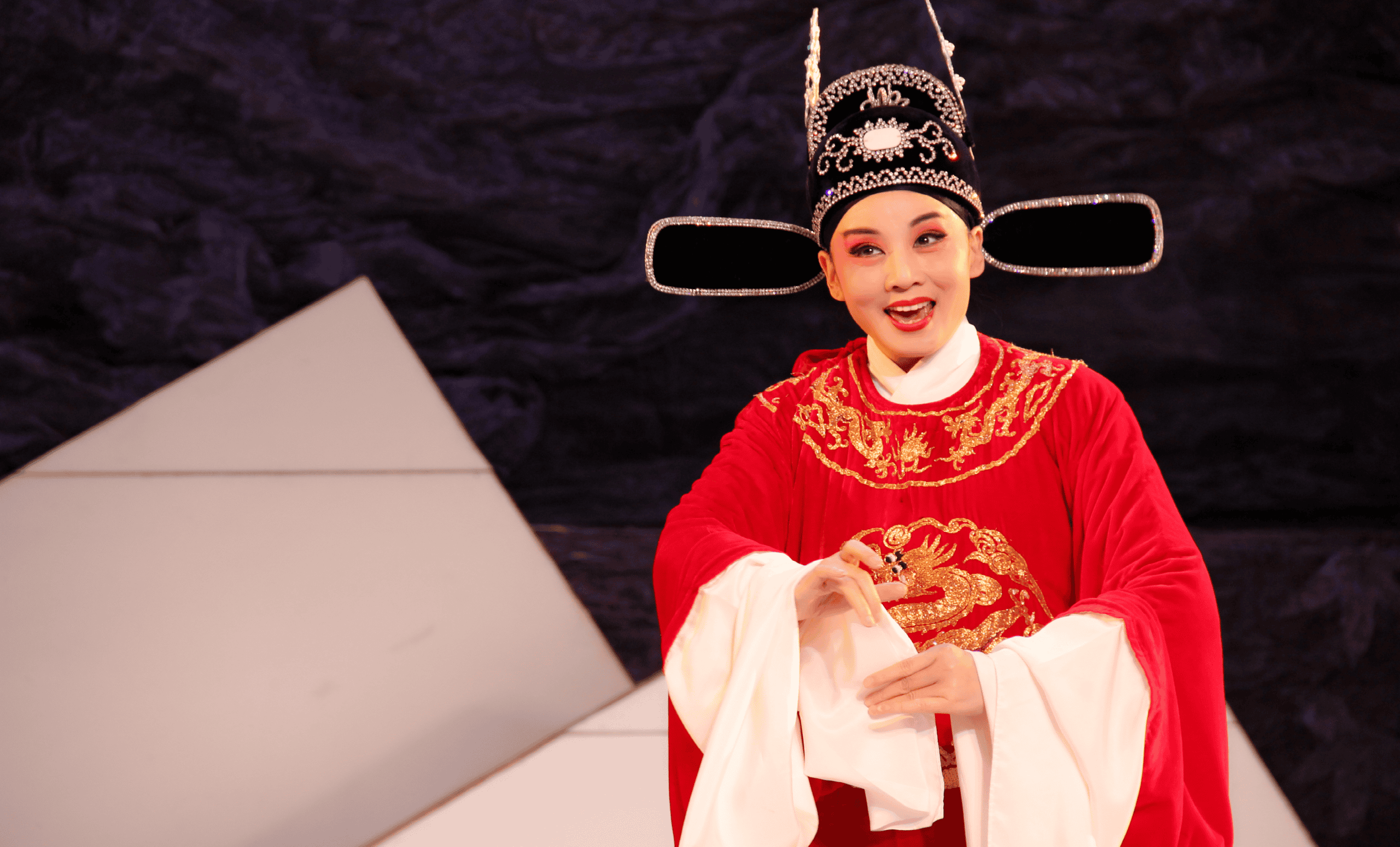
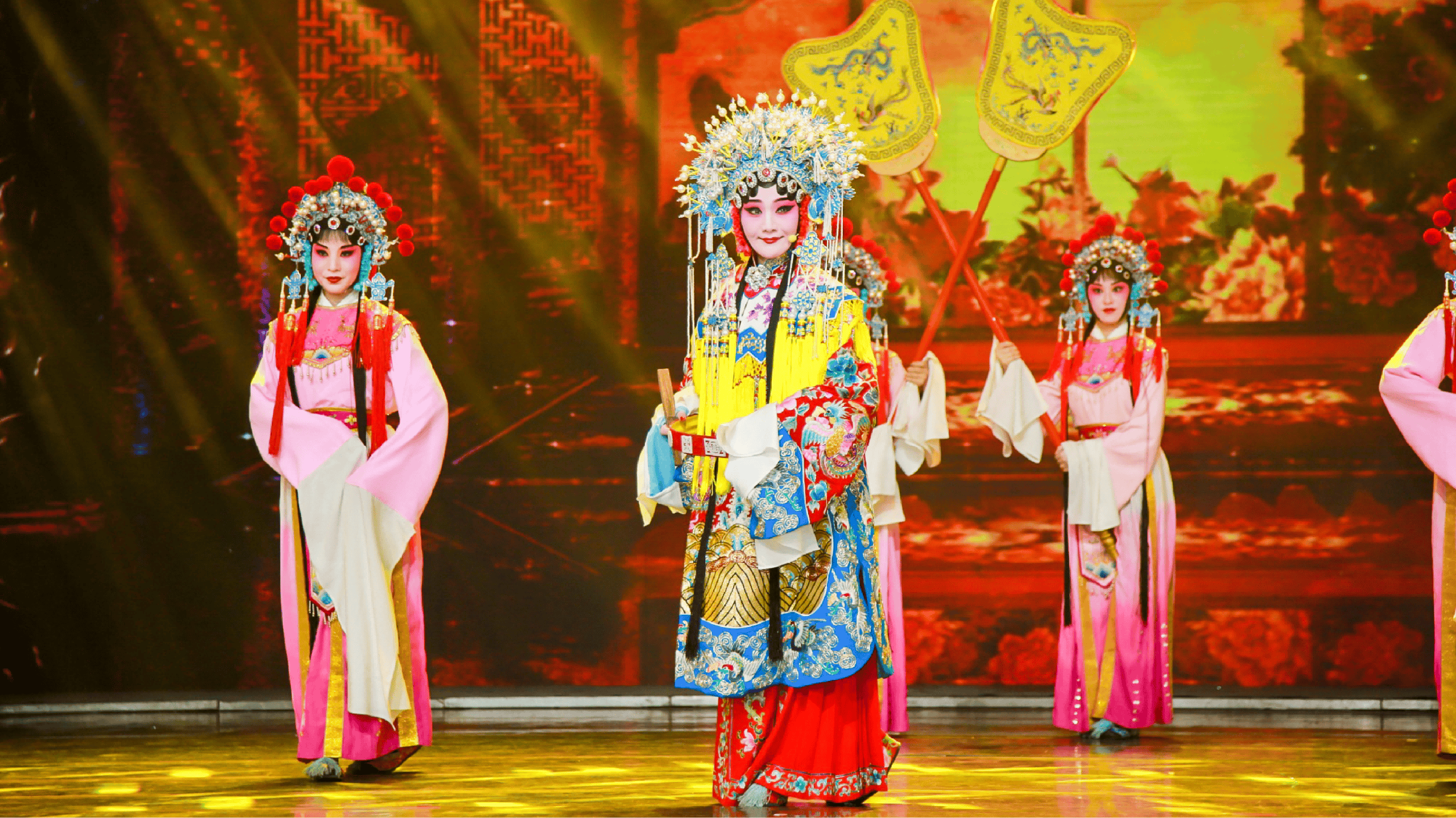
Huiju opera is the predecessor of China’s national quintessence, Peking opera. Huangmei opera, with its melodious and graceful singing, is praised as “China’s most beautiful rural music.”
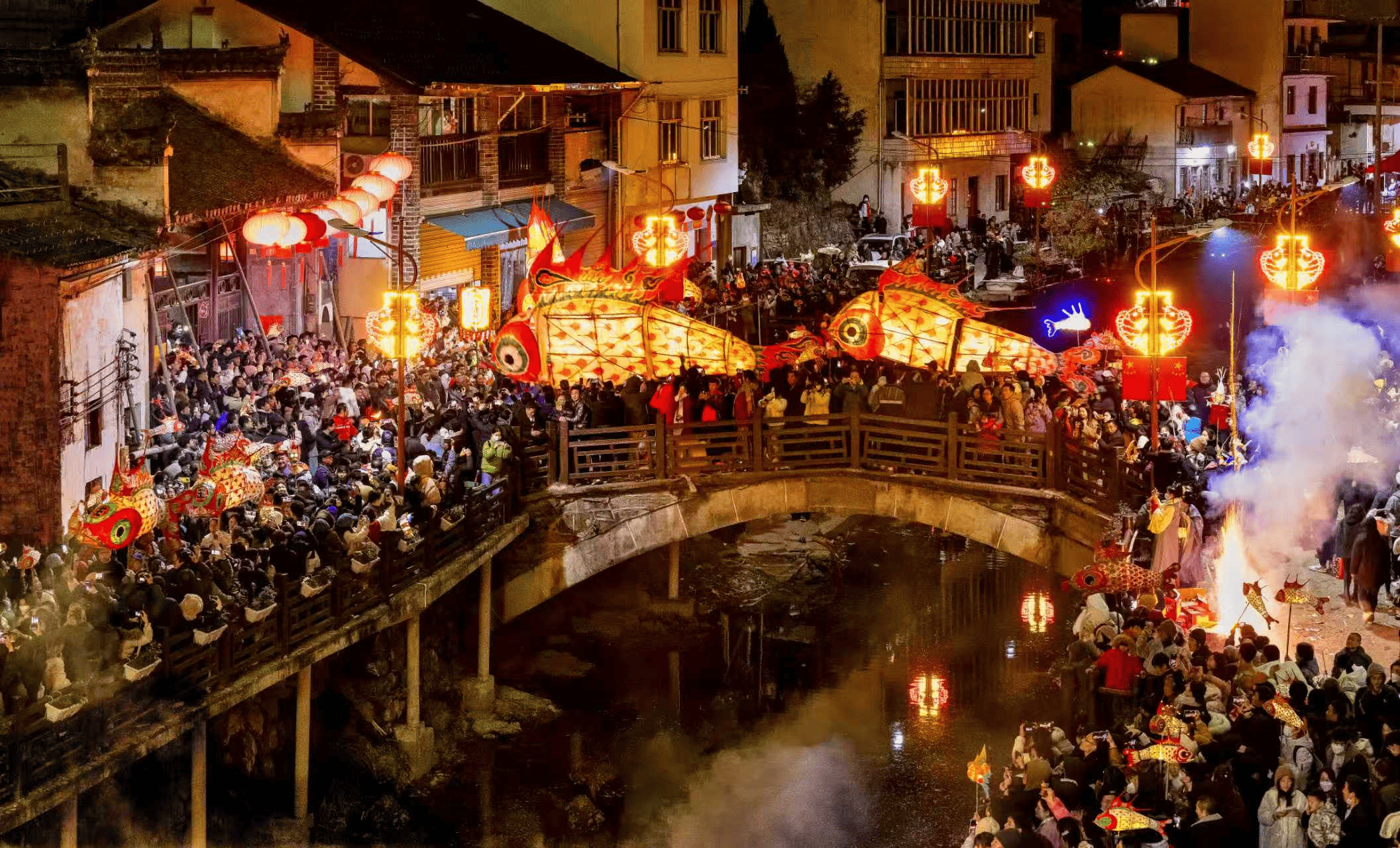
Huizhou fish lanterns, with their flowing light and shadow, embody Anhui’s unique folk charm.


Come to Anhui and seek the everyday flavors of China
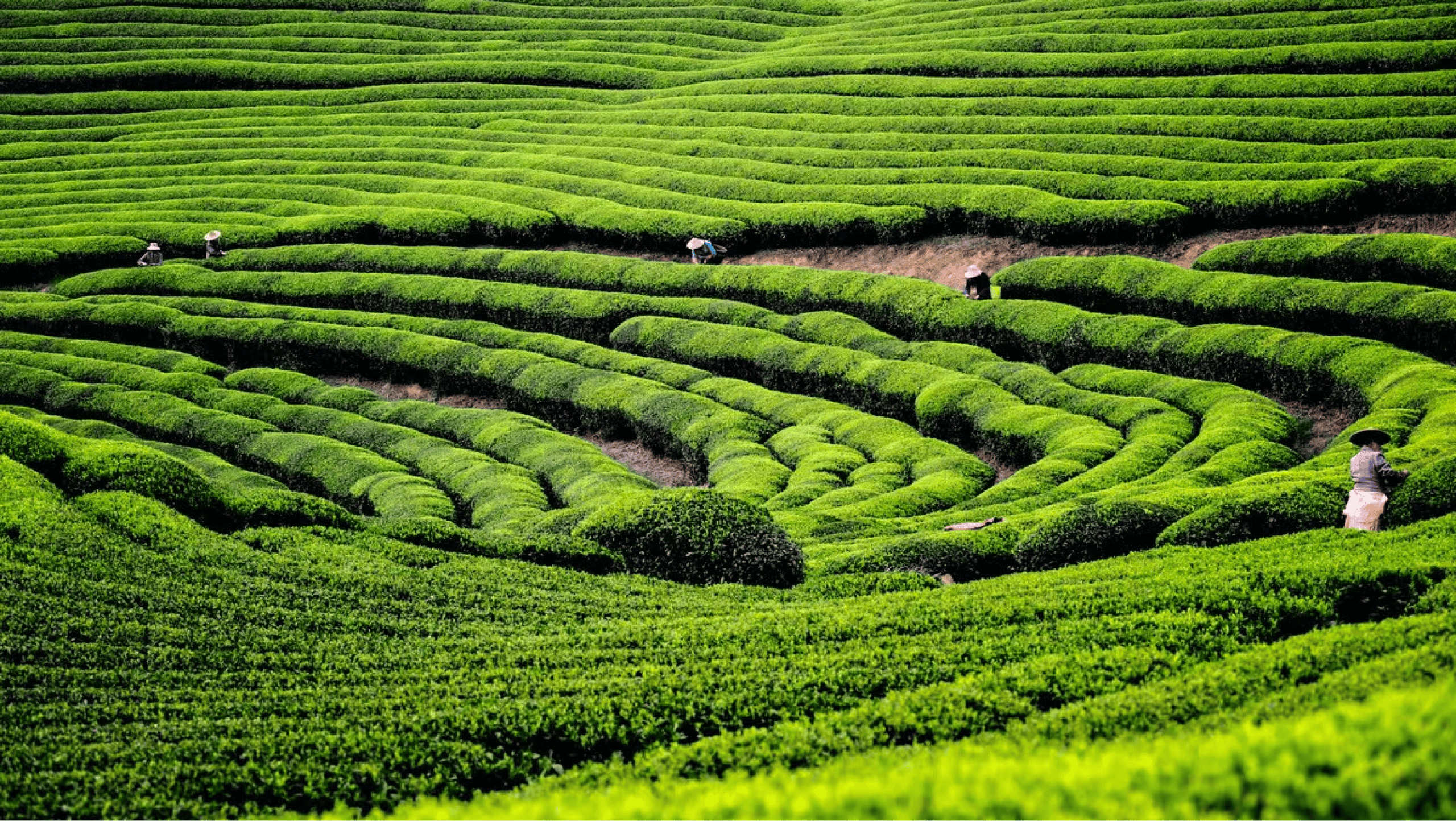
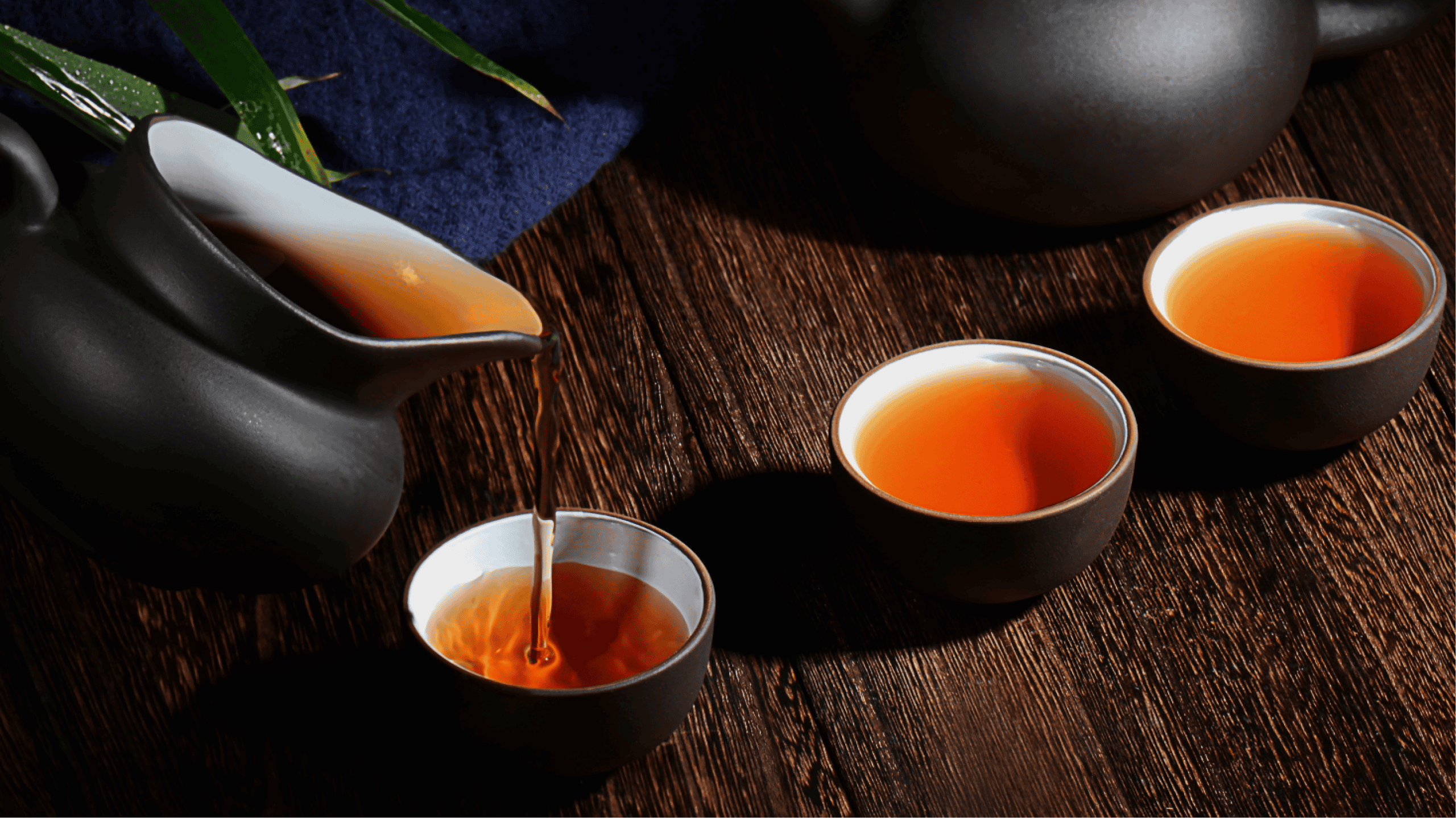
Treat guests with good tea. Anhui has produced famous teas since ancient times. Of China’s Top Ten Famous Teas, Anhui accounts for four—Huangshan Maofeng, Keemun Black Tea, Taiping Houkui, and Lu’an Guapian. Their production techniques have been inscribed on the Representative List of the Intangible Cultural Heritage of Humanity.
As one of the world’s three major high-aroma black teas, Keemun Black Tea reached England as early as the 19th century and currently has branches in London, Bristol, and Derbyshire.
Welcome guests with good food. Huizhou cuisine, once ranked first among China’s Eight Great Cuisines, is not only famous at home and abroad, but also embodies profound intangible cultural heritage skills behind it—Daobanxiang, stinky mandarin fish, hairy tofu, Hu Shi Yipin Guo… each dish is a stunning flavor, and every bite echoes with culture.
Come to Anhui and touch Monumental China
Anhui has a long history and is rich in talented people. Since ancient times, it has been an important stage for the performance of Chinese civilization, providing evidence of China’s “million-year history of humanity, ten-thousand-year history of culture, and more than five-thousand-year history of civilization.”
The Renzi Cave in Fanchang, Wuhu, from 2.5 million years ago, is the earliest known site of human habitation in Eurasia;
Hualong Cave in Dongzhi, from 300,000 years ago, is one of the most important ancient human representatives in East Asia in the evolution toward early Homo sapiens.
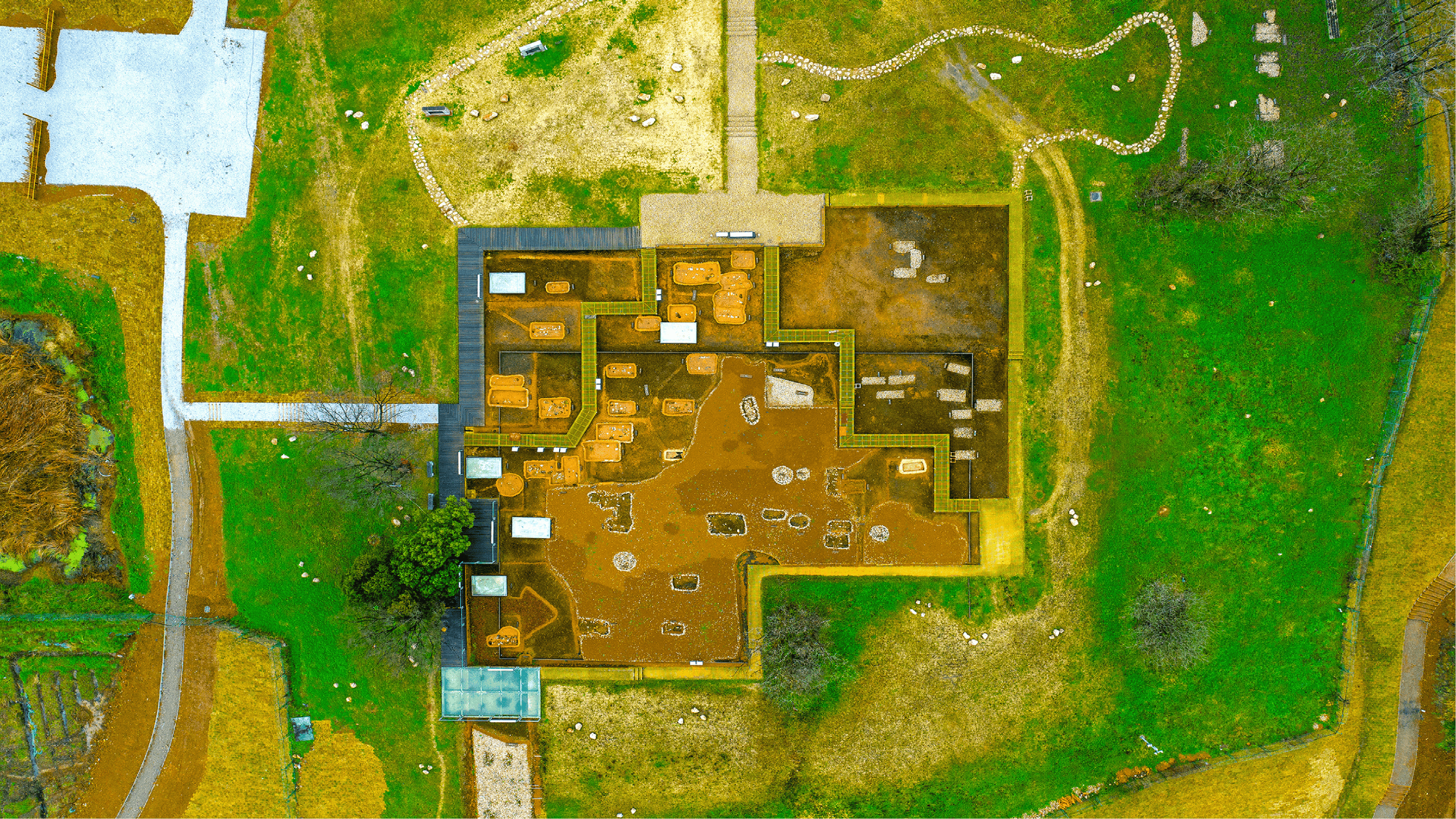
The Shuangdun site in Bengbu, from more than 7,300 years ago, features a pottery sculpture of a human head with painted face bearing a mysterious smile, and its carved symbols are considered one of the important origins of Chinese writing;
Lingjiatan, from more than 5,300 years ago, unearthed exquisitely made jade figures, jade eagles, and jade discs, and is one of the most representative sites of the first stage of China’s ancient state era.
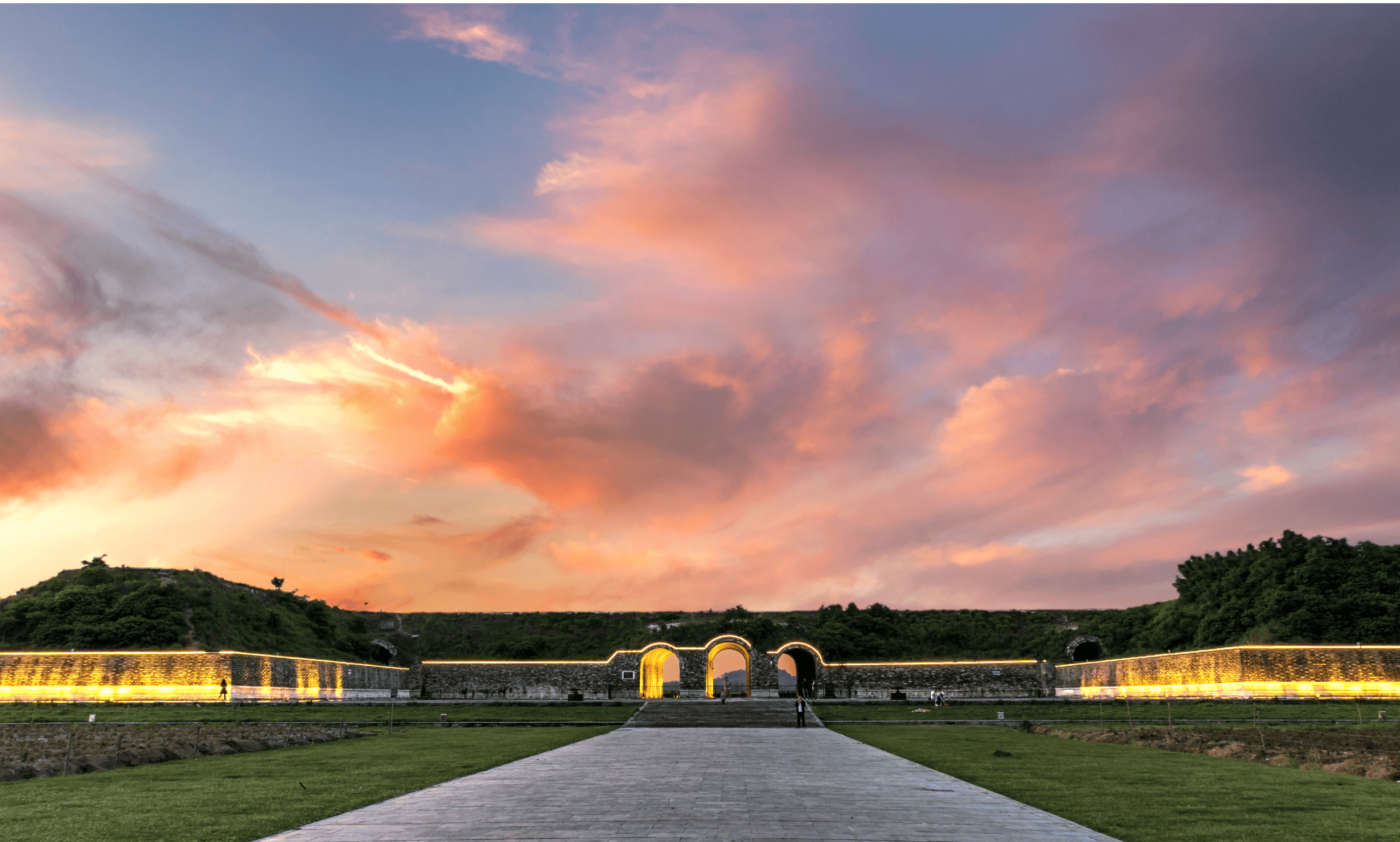
More than 600 years ago, the Ming Zhongdu, built by Zhu Yuanzhang, founding emperor of the Ming Dynasty, in his hometown of Fengyang, Anhui, profoundly influenced the later layout of Chinese capital construction and was also the blueprint for today’s Beijing Forbidden City.


Come to Anhui and experience Innovative China
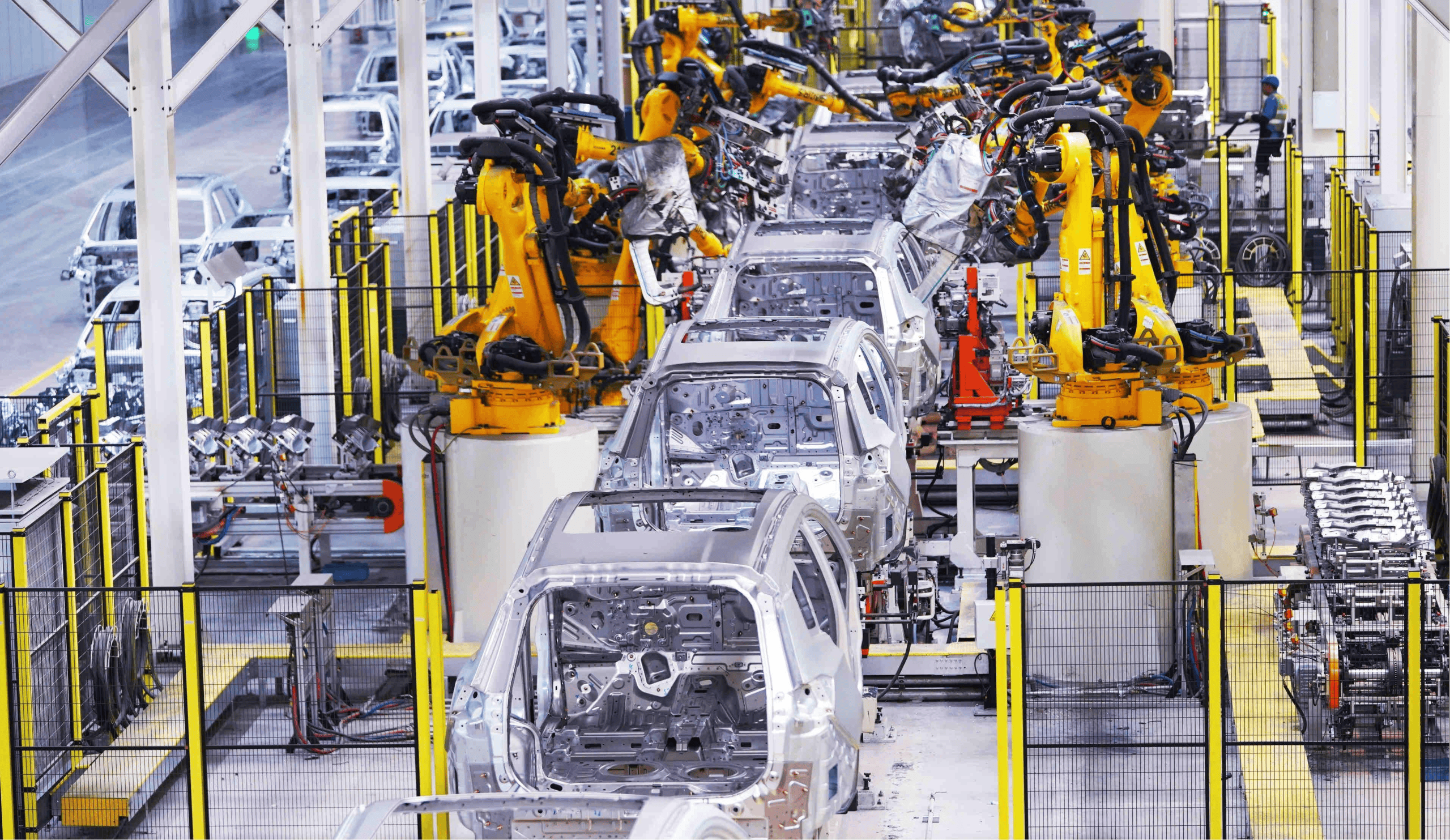
Ancient civilization and future wisdom blend here. Anhui has a national laboratory and 13 major scientific installations, leading the world in three fields: quantum information, fusion energy, and deep space exploration—the “artificial sun” has achieved 100 million degrees for 1,000 seconds, and “Zuchongzhi 3.0” set the strongest record in superconducting quantum computing. Anhui ranks first nationwide in both automobile and new energy vehicle production.
iFlytek’s voice intelligence technology is globally leading. We have specially designed technology study tours and industrial tourism routes. We welcome British friends to come to Anhui, invite you to personally touch the pulse of cutting-edge technology, and embark on a journey of innovation!
Gallery