China Tourism Day | Embarking on a Journey Across Magnificent Landscapes
With abundant nature and a pleasant summer breeze, the 16th “19 May China Tourism Day” has arrived as promised.
At this moment, in the heartland of the Central Plains, the ancient capital of Luoyang is riding the wave of Guochao (China Chic), welcoming throngs of visitors. On the shores of the Bohai Sea, the oil city of Dongying boasts vast wetlands where migratory birds dance. In the Jiangnan water towns, the Dragon City of Changzhou sees fierce battles and green-pitch rivalry in the “Su Chao” (Jiangsu Super League). In the Wuling Mountains, the secret realm of Xiangxi echoes with melodious Miao songs and resounding drums. On the Loess Plateau, the holy land of Yan’an sees red flags fluttering as study tours boom. Through a coordinated countdown, these five cities passionately invite tourists to welcome China Tourism Day and set off for “poetry and far-off places” together.
Over 400 years ago, the “Sage of Travel” Xu Xiake set out from Ninghai, Zhejiang, measuring the mountains and rivers with his own feet, heading for the emerald sea at dawn and Cangwu at dusk. Today, tourism has seamlessly integrated into the daily lives of hundreds of millions of Chinese people, serving as a vital source of happiness and a crucial driver for boosting consumption and economic growth.
The 2,000-year-old Changxin Palace Lantern went “on tour” to Beijing, drawing massive crowds; colourful Zanhua (flower hairpins), carrying the emotions and hopes of fisherwomen from the past, have become a must-have fashion item for young people snapping photos today. Cultural and museum tours, alongside Intangible Cultural Heritage (ICH) tourism, continue to heat up. The Village Gala, Village Super League, and Village Choirs radiate charm. Temple fairs, lion dances, Yingge dances, and dragon dances create an electric atmosphere, while Phoenix Crown fridge magnets, “Crying Horse” ornaments, and Labubu dolls have become best-selling souvenirs. People are exploring famous mountains and rivers, strolling through urban alleyways, lingering in rural fields, and immersing themselves in local life and culture. Through travel, they enrich themselves, relax their minds and bodies, and cultivate their spirits through cultural immersion.
Across the country, grassroots “Super Leagues” are springing up. A single football match can ignite a city’s popularity, making “travelling with sports events” a new trend. Dedicated tourist trains connect scenic routes, themed flights host “cloud exhibitions” at 10,000 metres, and the integration of transport and tourism continues to refresh the travel experience. Seeking out picturesque landscapes, many people are studying wellness cultures and adopting a travel-and-living lifestyle. “Hardcore” industry has also joined hands with tourism, transforming factories into scenic spots, ruins into landmarks, and industrial production lines into scenic routes. The intertwined stories of “cultural tourism + various industries” and “various industries + cultural tourism” continue to unfold. A local delicacy, a thrilling match, a blockbuster film, or a well-known brand can all become reasons to set off. The resonance between cultural tourism and thousands of other trades has birthed new business models, created new value, and forged new advantages.
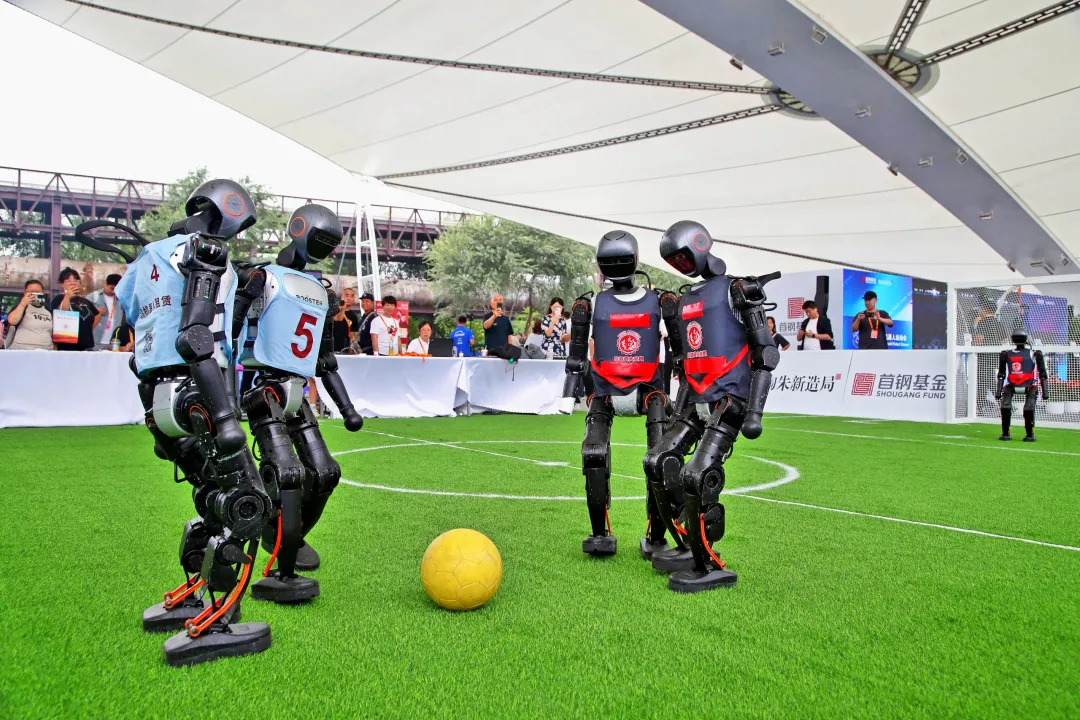
Putting on VR headsets allows for instant time travel; intelligent robots transition from the Spring Festival Gala stage to scenic streets; exoskeleton devices help climbers effortlessly reach mountain peaks; AI plans itineraries for tourists, and smart cultural tourism platforms help build comprehensive safety networks. The application of virtual reality, augmented reality, large-space positioning, and artificial intelligence in the tourism sector provides visitors with entirely new experiences, making services more efficient, thoughtful, and human-centred. Smart tourism has undeniably become an essential engine driving the high-quality development of China’s tourism industry, as well as an indispensable companion for travellers.
Scenic Wonders Connect Diverse Industries
Today’s travellers are no longer satisfied with simply “looking at mountains and water”; they seek diverse experiences across richer contexts, making the effects of “tourism + industries” increasingly prominent. Localities are leveraging their unique resources to innovate products and business models.
This allows people to:
- Experience traditional aesthetics during a national-style parade.
- Seek spiritual healing amidst mountains and rivers.
- Feel the pulse of a city through a sports event.
- Touch the warmth of culture in an intangible cultural heritage workshop.
- Gain the power of belief on a journey tracing revolutionary history.
The “+” allows people to feel a closer connection to the landscape and a greater richness in life. On China Tourism Day, let us follow the infinite possibilities of “tourism +” and embark on a spectacular journey.
Chasing the Light Towards the Future
In the warm breezes of May, people visit old revolutionary bases and historical memorial halls, revisiting revolutionary stories and feeling the spirit of the martyrs.
Immersive historical performances transform tourists from mere spectators into characters within the story. As one of the five countdown relay cities for the 2026 “19 May China Tourism Day”, the revolutionary site of Yan’an attracts countless admirers. At the Jin Yan’an Scenic Area, the daytime historical stage play Yan’an Nursery is consistently fully booked. At night, the immersive musical Thirteen Years in Yan’an breaks traditional stage boundaries; the streets become the stage, and tourists follow the actors, becoming “characters in the play”. According to the Yan’an Municipal Bureau of Culture and Tourism, the city expects to welcome over 50 million tourists this year.
Empowered by technology, visitors can return to historical scenes and stand face-to-face with heroes. Marking the 90th anniversary of the victory of the Red Army’s Long March, the Yan’an Baota Mountain Scenic Area launched the Long March Memories: Go to Yan’an XR time-travel project. Shanghai tourist Chen Simin experienced it with teary eyes: “I could feel the biting wind and snow on my face, the absolute reality of enduring hunger and cold but gritting my teeth to push forward. This experience gave me a much deeper understanding of that spiritual strength.”
“Tourism + Red Culture” is a key theme for educational tours. At the Yuhuatai Martyrs Memorial Park in Nanjing, the “Red May · Youth Echoes” theme event acts as a walking classroom. Students passionately sang If I Sacrifice for Truth and The Oath, composed by martyr Zhao Liangzhang. Their clear voices transcended time and space, with the power of conviction touching hearts. At the Yuhuatai Martyrs Memorial Hall, students took on the roles of “history guides” and “martyr performers”, receiving historical education through immersive performances.
On trains speeding across the lands of Hunan, youthful vitality and revolutionary passion intertwine. The “My Trip to Shaoshan” high-speed study train carries students heading to Shaoshan. In the carriages, classmates engage in “singing battles” and “poetry contests.” Classic songs and revolutionary poems create an exceptionally vibrant atmosphere. Since the launch of the “My Trip to Shaoshan” red study tour programme for primary and secondary school students in Hunan Province in April 2023, over 1 million students have enthusiastically participated.
When history “steps out” from books and “comes alive” in real-world settings, this historical DNA is passed down through generations in a far more profound way.

Towards the Emerald Sea at Dawn and Cangwu at Dusk
The waters of the Yellow River fall from the sky, surging to the ocean never to return.
In the early summer of May, the Yellow River Estuary Ecotourism Area in Dongying, Shandong Province, is swept by sea breezes amidst flourishing flora and fauna. Originating from the Qinghai-Tibet Plateau, the Yellow River surges along its path before merging into the vast Bohai Sea here.
The once-frequently dried-up estuary is now lush with forests and grasses, fragrant with flowers, and filled with the songs of birds. Saunders’s gulls, great white pelicans, and spoon-billed sandpipers—millions of birds migrate here to winter every year. The convergence of river and sea, newly formed wetlands, and rare bird species create a unique ecological wonder that attracts endless streams of tourists.
As one of the five countdown relay cities for the 2026 “19 May China Tourism Day”, Dongying is launching a series of cultural and tourism activities under the theme “Tourism + Ecology”.

“Coming to Dongying and the Yellow River Estuary, my deepest impression is how pristine the ecology is, and how dedicated the local area is to conservation,” said Jin Wei, a tourist from Beijing. The wooden boardwalks in the scenic area blend seamlessly with the wetland environment, and educational corridors are set up at rest stops, using exhibition boards to introduce the delta’s geography and diverse flora and fauna.
Over the years, various regions have actively implemented the concept that “lucid waters and lush mountains are invaluable assets,” steadfastly pursuing a path of ecological priority and green development. New “Tourism + Ecology” products and formats are constantly emerging, with annual ecotourism numbers reaching 3 billion visits.
“Tourism + Ecology” makes the sky bluer, the mountains greener, and the water clearer. In Kunming, Yunnan, “the weather is often like February or March, and the flowers bloom unceasingly through all four seasons.” With the progression of the 108-kilometre Dianchi Greenway and the “Dianchi Golden Tourism Coastline,” the charm of the “Lakeside Spring City, Landscape Flower Capital” is fully displayed, inviting domestic and international tourists to enjoy “a lifestyle called Yunnan.”
“Tourism + Ecology” also makes local people’s lives increasingly prosperous. In Anji, Zhejiang, amidst elegant green bamboo and sprawling lotus leaves, abandoned mines have been transformed into fashionable campsites, and industrial ruins now house boutique B&Bs and cafes. Transitioning from “selling stones” to “selling scenery,” the local area has actively developed ecotourism, creating a “Yangtze River Delta Camping Paradise” and allowing locals to thrive on “ecological and tourism dividends.”
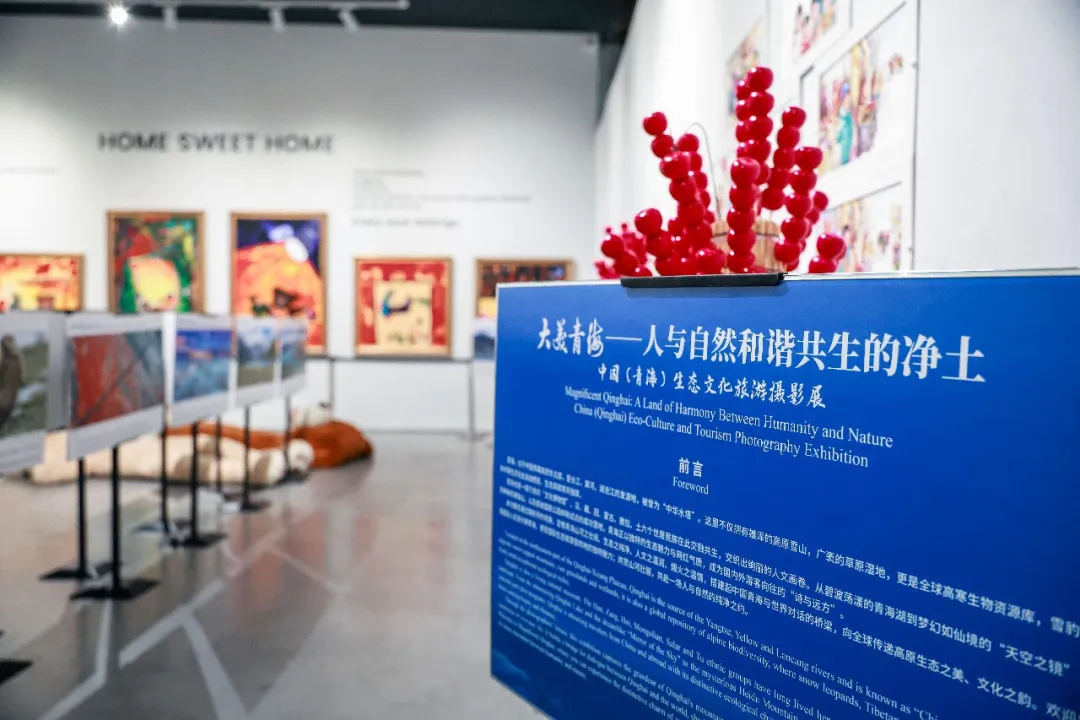
“Tourism + Ecology” ensures that the concept of ecological protection takes deep root. In Qinghai, the hit drama Tree of Life showcased the vast and majestic natural beauty of the “source of mountains and rivers,” driving a 210% surge in searches for Qinghai tourism. Capitalising on this, the Qinghai Provincial Department of Culture and Tourism released five themed itineraries, including the Kekexili exploration tour and the Qinghai Lake ecological tour. They also issued an initiative advocating “civilised tourism and shared ecological protection,” calling on tourists to champion conservation.
From the shores of the Bohai Sea to the source of the Three Rivers, from the bamboo forests of Anji to Dianchi in Kunming, “Tourism + Ecology” is painting moving masterpieces across the country.
Sports as a Medium: A Shared Passion
When the thrilling sporting arena meets natural landscapes, and competitive passion collides with tourism enthusiasm, “Tourism + Sports” becomes a major highlight of diversified industry integration.
Multiplying Fun: Ticket Stubs Become Travel Passes
Regions are vigorously developing the “ticket stub economy,” coordinating with scenic spots, hotels, and restaurants to offer exclusive discounts, turning a “watch and leave” trip into an “in-depth stay.” Last year, the “Su Chao” used a 1-yuan ticket to leverage 7.3 yuan in peripheral consumption. On 11 April this year, the 2026 “Su Chao” kicked off in Changzhou. Multiple departments in Jiangsu Province jointly launched the “Travel Jiangsu with Su Chao” theme campaign, introducing over 50 cross-regional tourism routes.
As a countdown relay city for the 2026 “19 May China Tourism Day,” Changzhou highlights the “Tourism + Sports” theme. Data shows that during the opening weekend of “Su Chao,” the city’s 12 key scenic spots welcomed nearly 660,000 visitors, and hotels around the Changzhou Olympic Sports Centre were fully booked.
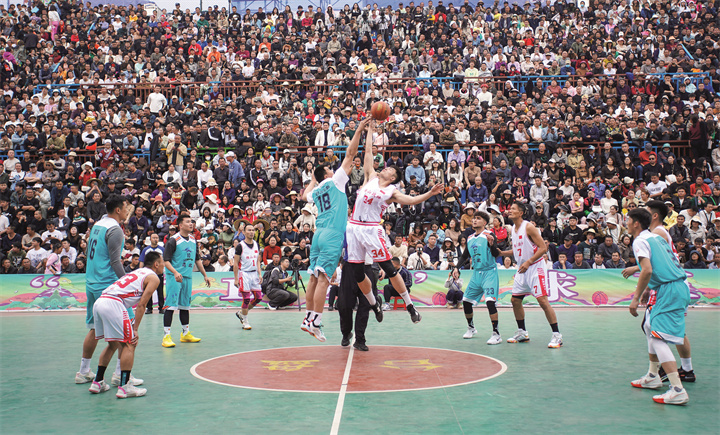
More and more events are stepping out of enclosed stadiums and into mountains, ancient cities, and countryside landscapes. In Guizhou, the “Village Super League” and “Village BA” have transformed rural pitches into viral sensations; the Chengdu World Heritage Marathon and Wuhan Cherry Blossom Marathon allow runners to feast their eyes on natural beauty; while cycling and mountain cross-country races in Pingtan turn coastlines and mountains into natural arenas.
Moving from “hosting a single event” to “shaping an IP and vitalising an industry,” localities are creating unique brands based on their local characteristics. Guizhou’s Rongjiang uses the rural football IP to drive rural tourism; Zhejiang’s “Zhe BA” links hundreds of counties for tourism discounts; and Shenzhen’s ice hockey events unlock new scenarios for “counter-seasonal sports tourism.”
Behind the bustling atmosphere of “Tourism + Sports” lies a shift in development philosophy—from mere addition to true integration, from drawing traffic to retaining guests, and from short-term crazes to long-term operations.
Chinese Aesthetics Infuse Daily Life
As the curtain gently rises and shadows dance, tourists at the shadow puppet workshop in Liuzhi Town, Huazhou District, Shaanxi, learn the four core rod-manipulation techniques—”push, pluck, pull, and shake”—under the guidance of veteran artists. When the shadow puppets “come alive” on the screen, visitors feel a genuine sense of joy. At the Xunpu Women’s Customs Intangible Cultural Heritage Hall in Quanzhou, Fujian, tourists learn the “three-strand braid” technique, coiling their hair into spirals and inserting jasmine and michelia flowers strung on red threads. Adorned with these “walking gardens” on their heads, every woman smiles as brightly as a flower.
“Tourism + Intangible Cultural Heritage (ICH)” is a composite experience blending cultural cognition, emotional resonance, and value identification.
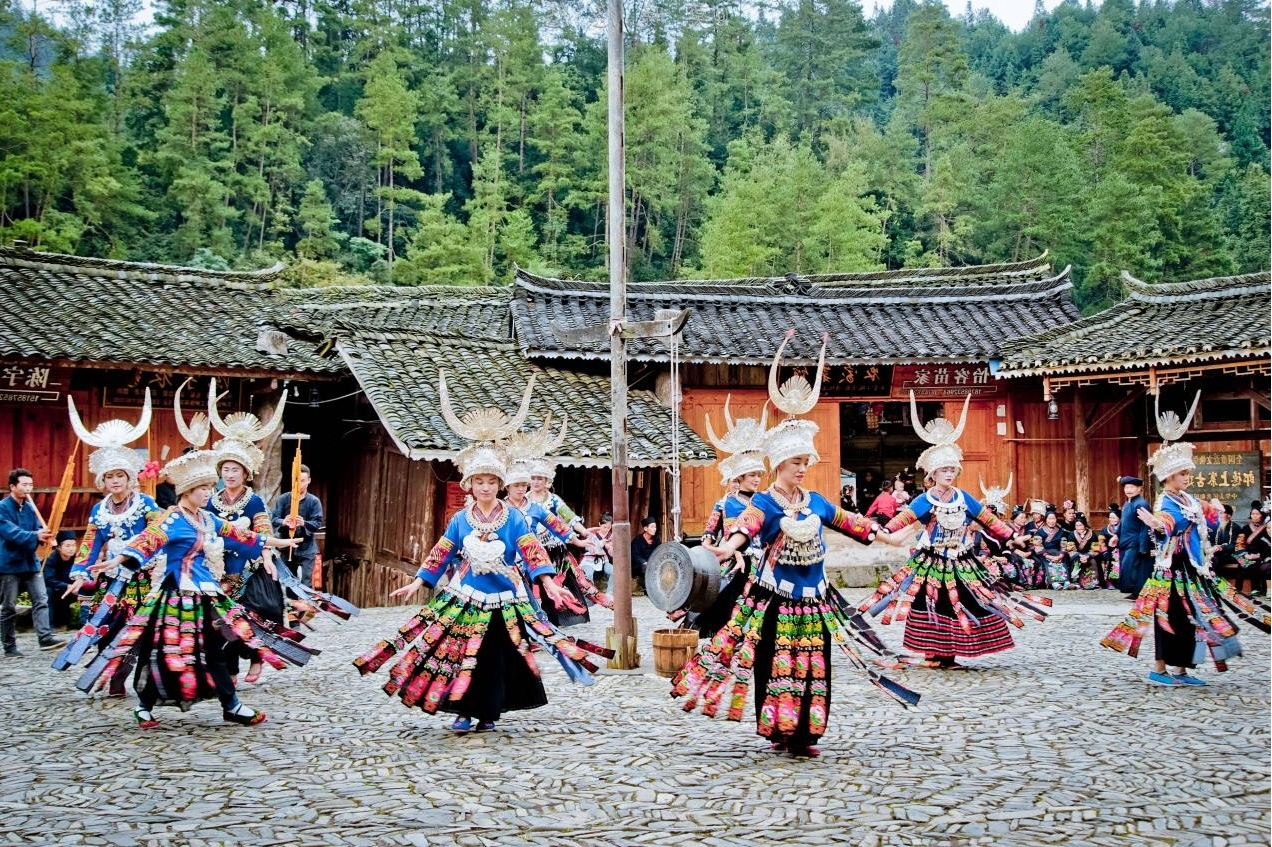
As a countdown relay city for the 2026 “19 May China Tourism Day,” the Xiangxi Tujia and Miao Autonomous Prefecture is hosting the “Mysterious Xiangxi: ICH Code” experience, featuring performances, food tasting, and immersive cultural activities. Visitors entering Miao villages can see traditional stilt houses built into the mountains and waterwheels turning leisurely, whilst the rhythmic tapping from silversmith workshops echoes traditional craftsmanship.
In Wuxi, Jiangsu, the ethereal beauty of Lake Taihu and the gentleness of Jiangnan are kneaded into exquisite Taihu boat snacks. Artisans use glutinous rice flour as “soft clay” to mold lifelike flowers, birds, fish, and insects.
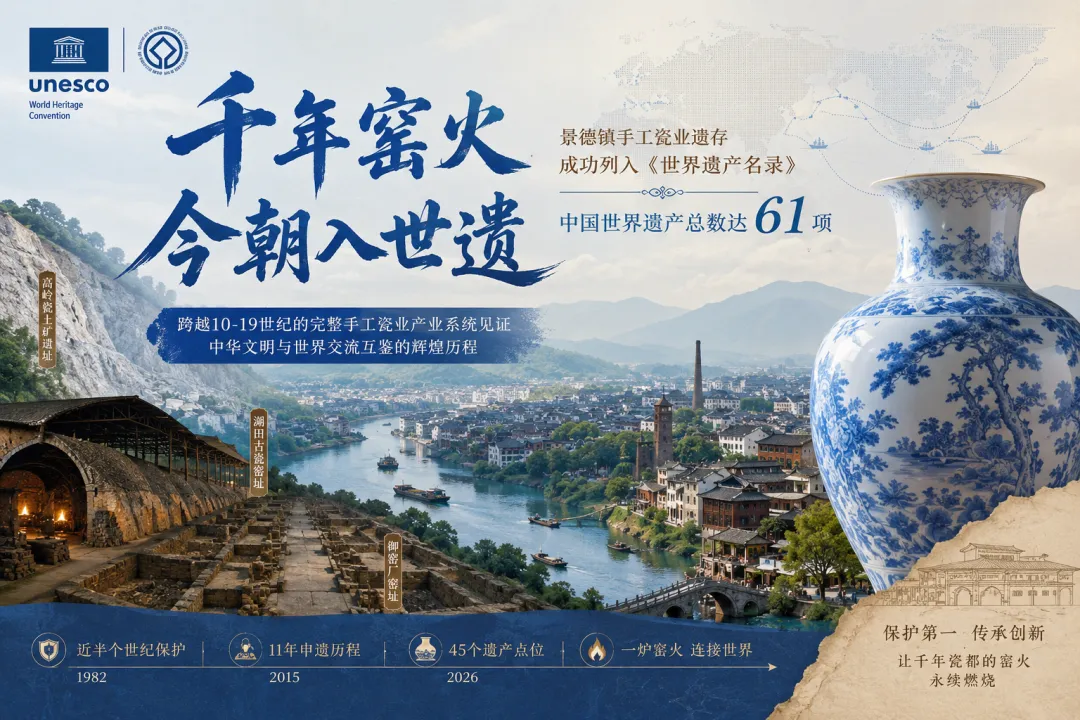
In the Xuan Paper Town of Jingxian County, Anhui, tourists can enjoy a full-process educational experience from planting Blue Sandalwood to hand-making paper. At the foot of the Cangshan Mountains in Dali, Yunnan, numerous Bai tie-dye workshops allow visitors to learn the craft and take home unique souvenirs. In Jingdezhen, Jiangxi, the “Seventy-Two Processes of Porcelain Making” covers everything from kneading clay to painting blue and white designs.
In January this year, the General Office of the State Council issued the Work Plan for Accelerating the Cultivation of New Growth Points in Service Consumption, listing emotional and experiential services as key growth areas. The true charm of immersive experiences lies in allowing tourists to feel the cultural rhythm and understand spiritual connotations through active participation. ICH products that have become “trendy” translate regional characteristics into unique symbols that can be shared and consumed.
Flowing Robes Spanning Millennia
Tourist Xiao Yang still remembers the afternoon that “transported” her back to the prosperous Tang Dynasty. That day, dressed in Tang-style Hanfu, she was strolling through the Sui and Tang Luoyang City National Heritage Park. As she paused to take a photo at the Yingtian Gate, a “court lady” holding a fan happened to enter the frame and smiled gently. “At that moment, I was no longer just looking at the scenery; I had truly stepped into it.”
Today, “Tourism + Guofeng” (traditional Chinese style) scenarios are being staged regularly at scenic spots across the country. From Hanfu parades to live-action performances, and from gaming crossovers to Guofeng music, tourists are fully immersed in ancient charms.
As a countdown relay city for the 2026 “19 May China Tourism Day,” Luoyang has integrated Guofeng elements into all its scenic spots. The Jiuzhou Pool of Sui and Tang Luoyang City hosts the “Divine Capital Splendid Attire Show,” a Guofeng fashion and performance event hailed as “Luoyang’s most beautiful ceiling.”
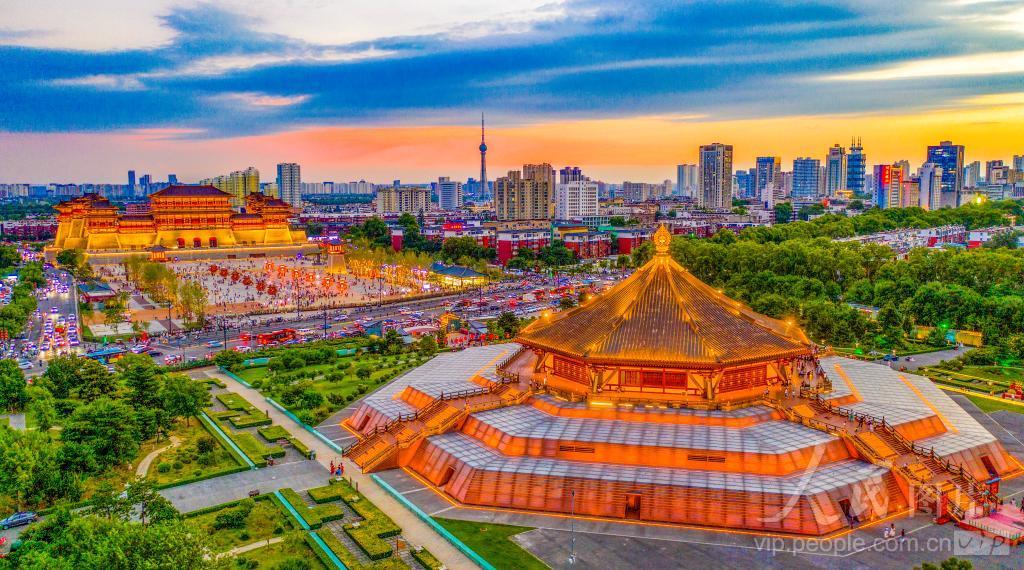
The public is no longer satisfied with observing scenery from afar; they yearn to step into it and merge with the ancient charm. During the May Day holiday, the Langya Ancient City in Linyi, Shandong, staged numerous Guofeng performances and interactive NPC (non-player character) events daily. The Huaqing Palace in Xi’an, Shaanxi, launched a live-action interactive script-play tour, making millennia of history palpable through puzzle-solving.
The Guofeng travel experience favoured by young people is intertwined with gaming. Zhangzhou, Fujian, collaborated with the game Dream Star to recreate the ancient city’s island landscapes, allowing players to encounter Minnan culture online; Yixian, Anhui, partnered with the healing mobile game There is a Family Deep in the Peach Blossom Spring to replicate the game’s poetic landscapes.
Equally enchanting is the gentle embrace of Guofeng music and natural landscapes. From last year’s traditional music parade at the peak of Baiyun Mountain to this year’s “Travel Chengdu with Music” spring music season blending folk music with national trends, Guofeng music ensures that travel is not just about seeing sights, but about enjoying an immersive cultural experience that touches the heart.
From admiring the elegance of the ancients from afar to stepping into the painting to find one’s own rhythm, Guofeng has quietly blended into travel, becoming a definitive new trend. This China Tourism Day, why not choose a millennia-old city, don an elegant traditional robe, and keep an appointment with time that spans thousands of years.