











Latest News

Please note that our office building is currently undergoing maintenance. Should you require any assistance during this period, you are welcome to contact us via email or telephone. Our contact details can be found at the bottom of this website.

Destinations

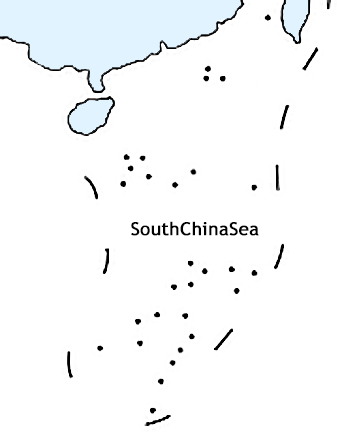
Explore by map

AnHui BeiJing ChongQing FuJian GanSu GuangDong GuangXi GuiZhou HaiNan HeBei HeiLongJiang HeNan HongKong HuBei HuNan InnerMongolia JiangSu JiangXi JiLin LiaoNing Macau NingXia QingHai ShaanXi ShanDong ShangHai ShanXi SiChuan TaiWan TianJin Tibet XinJiang YunNan ZheJiang

Inspirations

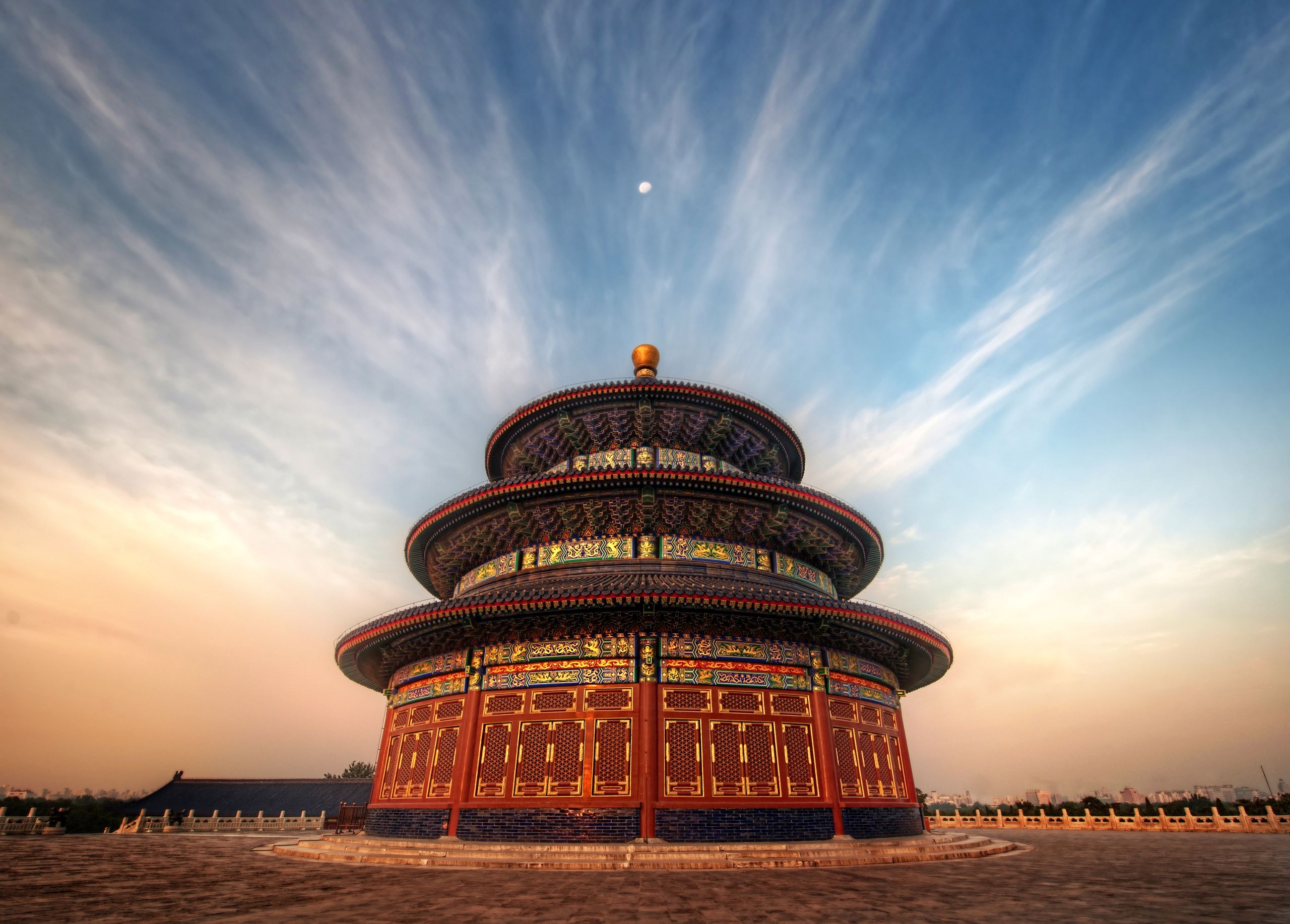
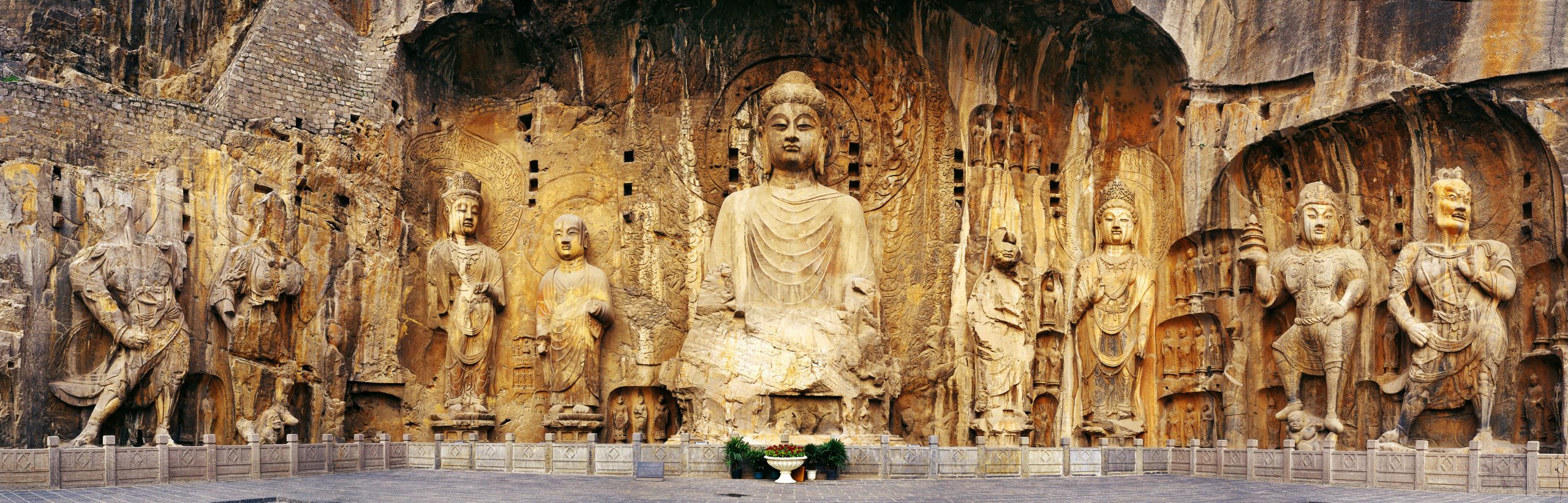
World Cultural Heritages

Visit China’s 60 UNESCO World Cultural Heritage sites to discover this long-lasting civilisation.

Yellow River

The yellow river, mother of the Chinese nation, cradle of Chinese civilisation.

Ice & Snow

The childlike delight and poetic sentiment inspired by ice and snow reflect Chinese people’s longing for a better life.

The Grand Canal

The Grand Canal, a brilliant ecological calling card with great charm, the cultural symbol and commercial center of Yangzhou.

Essential Guides

visa

Currency and payment
Transport
Acommodation
Sim Card and apps
FAQ

Travel by Themes

FAQ

  • Location: China is located in East Asia and is the world’s fourth-largest country by land area.
  • Population: China is the most populous country in the world, with over 1.4 billion people.
  • Capital: The capital city of China is Beijing.
  • Language: The official language is Mandarin Chinese, also known as Putonghua.
  • Government: China is a one-party socialist state, governed by the Communist Party of China (CPC).
  • Currency: The currency is the Renminbi (RMB), with the primary unit called the yuan (CNY).
  • Economy: China has the second-largest economy in the world and is a major global manufacturing hub.
  • Major Cities: In addition to Beijing, other major cities include Shanghai, Guangzhou, Shenzhen, and Chengdu.
  • Landmarks: Iconic landmarks include the Great Wall of China, the Forbidden City, and the Terracotta Army.
  • Geography: China’s diverse landscape includes mountains, rivers (like the Yangtze and Yellow Rivers), deserts, and coastal regions.

The best time to visit China depends on the regions you’re planning to explore, but generally, the most favorable times are spring (April to May) and autumn (September to October). During these seasons, the weather is mild, with comfortable temperatures and less rainfall, making it ideal for sightseeing.

  • Spring (April to May): This season offers pleasant temperatures and blooming flowers, making it a great time for visiting gardens, temples, and outdoor attractions like the Great Wall and the countryside.
  • Autumn (September to October): Known for clear skies and cooler weather, autumn is perfect for exploring cities, hiking, and enjoying the scenic beauty of places like Zhangjiajie National Forest Park or the Yellow Mountains.

Avoid traveling during major Chinese holidays, such as the Chinese New Year (January/February) and Golden Week (October 1-7), as these times can be crowded with domestic travelers.

Getting to China is straightforward, with several options depending on your location and travel preferences. Here are the main ways to travel to China:

1. By Air (Most Common)
International Flights: The easiest and most common way to reach China is by flying. Major cities like Beijing, Shanghai, Guangzhou, and Hong Kong have large international airports that serve direct flights from around the world. Airlines such as Air China, China Eastern Airlines, and China Southern Airlines, as well as international carriers, offer regular services to and from China.
Key Airports:
Beijing Capital International Airport (PEK)
Shanghai Pudong International Airport (PVG)
Guangzhou Baiyun International Airport (CAN)
Hong Kong International Airport (HKG)
2. By Train (Limited to Nearby Countries)
Trans-Siberian Railway: Travelers from Europe can reach China via the famous Trans-Siberian Railway, which connects Moscow to Beijing through Mongolia.
High-Speed Trains: China has land connections via high-speed trains with neighboring countries like Vietnam, Russia, and Kazakhstan. These routes offer scenic journeys and are ideal for overland travel.
3. By Sea (Less Common)
Cruise Ships: Some international cruise ships make stops at Chinese ports such as Shanghai, Tianjin, or Xiamen. This option is more common for tourists combining China with other East Asian destinations.
4. By Land (Overland Routes)
Crossing Borders: If you’re traveling from neighboring countries like Vietnam, Laos, Myanmar, or Russia, it’s possible to enter China by bus or car through official border crossings. This option is more popular among backpackers and adventure travelers.
Visa Requirement
Most travelers need a visa to enter China. You can apply for a visa at a Chinese embassy or consulate in your home country before your trip. Some cities, like Beijing and Shanghai, offer visa-free transit options for short stays under certain conditions. Make sure to check the latest visa requirements before traveling.

China offers a vast range of destinations, from ancient historical sites to modern cities and breathtaking natural landscapes. Here are some of the top places to visit in China:

1. Beijing
Highlights: The capital city is rich in history, with iconic landmarks like the Great Wall, Forbidden City, Temple of Heaven, and Summer Palace. Explore the traditional hutongs and enjoy a Peking duck dinner.
Why Go: Beijing is the political and cultural heart of China, blending ancient heritage with modernity.
2. Shanghai
Highlights: China’s largest city is a bustling metropolis known for its futuristic skyline, the historic Bund along the Huangpu River, and the trendy areas like Xintiandi and French Concession. Visit the Yu Garden for a touch of old Shanghai.
Why Go: Shanghai offers a dynamic mix of modern architecture, shopping, and vibrant nightlife.
3. Xi’an
Highlights: Famous for the Terracotta Army, Xi’an was the starting point of the ancient Silk Road. Explore the ancient City Wall, Big Wild Goose Pagoda, and the Muslim Quarter for a taste of local culture.
Why Go: Xi’an is a must-visit for history buffs interested in ancient China.
4. Guilin and Yangshuo
Highlights: Known for its stunning karst mountains and rivers, Guilin offers some of China’s most beautiful landscapes. A boat trip on the Li River to Yangshuo showcases picturesque scenery, with opportunities for hiking, cycling, and rock climbing.
Why Go: Ideal for nature lovers and those seeking scenic beauty.
5. Chengdu
Highlights: The capital of Sichuan province, Chengdu is famous for its Giant Panda Breeding Research Base. The city also offers spicy Sichuan cuisine, vibrant tea houses, and nearby natural attractions like Mount Qingcheng and the Leshan Giant Buddha.
Why Go: Chengdu is perfect for panda lovers and food enthusiasts.
6. Zhangjiajie
Highlights: Known for the dramatic Avatar-like sandstone pillars, Zhangjiajie National Forest Park is a UNESCO World Heritage site. The Glass Bridge and Tianmen Mountain are popular for adrenaline seekers.
Why Go: For adventurers and those seeking surreal natural landscapes.
7. Hangzhou
Highlights: Famous for its tranquil West Lake, tea plantations, and historic temples, Hangzhou is one of China’s most beautiful cities. Don’t miss a visit to the Lingyin Temple and the picturesque Longjing tea fields.
Why Go: Hangzhou is ideal for relaxation and appreciating natural beauty.
8. Lhasa, Tibet
Highlights: The spiritual heart of Tibetan Buddhism, Lhasa is home to the Potala Palace, Jokhang Temple, and numerous monasteries. The city’s high-altitude location also offers stunning views of the surrounding Himalayan mountains.
Why Go: A pilgrimage destination for those interested in culture and spirituality.
9. Hong Kong
Highlights: A vibrant city where East meets West, Hong Kong offers a mix of towering skyscrapers, traditional markets, and beautiful nature. Visit Victoria Peak, Tian Tan Buddha, and the lively Tsim Sha Tsui waterfront.
Why Go: Ideal for travelers seeking a mix of urban excitement and cultural experiences.
10. Suzhou
Highlights: Known as the “Venice of the East,” Suzhou is famous for its classical Chinese gardens, traditional canals, and silk production. The Humble Administrator’s Garden and Lingering Garden are UNESCO World Heritage sites.
Why Go: A serene escape with traditional Chinese architecture and culture.
11. Yunnan Province
Highlights: Yunnan is home to diverse cultures and stunning landscapes. Explore the ancient town of Lijiang, the mystical Shangri-La, and the dramatic gorges of the Tiger Leaping Gorge.
Why Go: Ideal for those seeking a mix of culture, adventure, and natural beauty.
12. Hainan Island
Highlights: Known as the “Hawaii of China,” Hainan offers tropical beaches, luxury resorts, and lush rainforests. Sanya is the main tourist hub for beachgoers and water sports enthusiasts.
Why Go: Perfect for a relaxing beach vacation.

Each of these destinations offers a unique perspective on China’s history, culture, and natural beauty. Whether you’re interested in ancient monuments, modern cities, or stunning landscapes, China has something to offer every traveler.

Yes, most travelers need both a passport and a visa to enter China. Here’s a breakdown of the requirements:

1. Passport
Requirement: You must have a valid passport to enter China. Your passport should be valid for at least six months beyond your intended stay, and you should have at least one or two blank visa pages available.
2. Visa
Requirement: Most nationalities require a visa to enter China, which you need to obtain before traveling. This can typically be done through a Chinese embassy or consulate in your home country. The most common visa type for tourists is the L Visa (Tourist Visa).
Types of Visas:
Tourist Visa (L Visa): For general tourism purposes.
Business Visa (M Visa): For business-related visits.
Student Visa (X Visa): For study purposes.
Work Visa (Z Visa): For employment in China.
Visa-Free Transit and Special Regions
72/144-Hour Visa-Free Transit: Some cities in China, such as Beijing, Shanghai, and Guangzhou, offer visa-free transit for up to 72 or 144 hours for travelers from certain countries who are passing through on their way to a third country. Conditions apply, so make sure you meet the requirements before traveling.
Hong Kong and Macau: These regions have separate visa policies from mainland China. Many nationalities can enter Hong Kong or Macau visa-free for short stays, but if you plan to enter mainland China from there, you’ll still need a Chinese visa.
Visa Application Process
Where to Apply: Chinese visas are typically applied for at a Chinese embassy or consulate in your home country. Some travel agencies also offer visa processing services.
Documents Needed: You will usually need a completed visa application form, passport-sized photos, your passport, proof of travel arrangements (e.g., flight itinerary), and possibly hotel bookings or an invitation letter.
Important Note
Visa requirements can change, and processing times can vary, so it’s essential to check with the nearest Chinese embassy or consulate for the most current information before your trip.